


Skincare for Developing Skin: A Stage Guide
A routine should grow with the child. Families learning about skincare for developing skin do not need a crowded shelf. Start with cleansing, hydration, and daily sun protection. Adjust the plan as oil, sensitivity, lifestyle, and confidence change.
Shop age-appropriate skincare for developing skin
Skincare for developing skin means choosing a gentle, age-appropriate routine that supports the skin barrier through each growth stage. Tweens usually benefit from a short routine built around cleansing, moisturizing, and mineral sun protection. During puberty, oil production and breakouts may change the routine. Add only what has a clear purpose, introduce one new product at a time, and ask a dermatologist about persistent or uncomfortable concerns.
That stage-aware approach helps girls build practical self-care habits without pressure to copy complex adult routines. It also gives parents a clear way to evaluate products, ingredients, and routine changes.
What Does Skincare for Developing Skin Mean?
Skincare for developing skin is care that respects the transition from childhood through the early twenties. It focuses on what skin needs now instead of assuming that every young person needs the same products or number of steps. A barrier-first routine generally begins with gentle cleansing, comfortable hydration, and daily sun protection.
For tweens, the routine can remain intentionally simple. The American Academy of Dermatology recommends basic habits such as cleansing, moisturizing, and sun protection. Teens may need to adjust their approach as hormonal changes affect oil and breakouts. Read the American Academy of Dermatology guide to skincare from growing up.
Simple does not mean careless or immature. It means each step has a clear job and the person using it can follow the routine consistently. A shorter routine also makes it easier to notice whether a formula feels comfortable, whether dryness is developing, or whether a new product should be paused.
Parents and girls can use these questions when considering a new product:
- Purpose: Does the product support cleansing, hydration, sun protection, or another clearly defined need?
- Fit: Is it made for the face and appropriate for young, developing skin?
- Comfort: Can it be used without stinging, tightness, or confusion?
- Consistency: Is the routine simple enough to follow on ordinary school, work, and activity days?
For more detail on label reading, see Bright Girl's guide to safe skincare ingredients for tweens. The goal is not to chase every new ingredient. It is to create a calm foundation that can adapt as the skin and the person change.
How Does Skin Change from Tweens Through Puberty?
Development does not happen on one fixed schedule. Early tween skin may feel balanced, while puberty can bring more oil, visible pores, or breakouts. Later teen and young-adult skin may also respond to shaving, makeup, climate, stress, or a busier schedule. These shifts do not mean that everyone needs an aggressive routine.
What Is Typical for Early Tween Skin?
Between about ages 8 and 12, many children are learning their first independent skincare habits. A gentle cleanser, a comfortable moisturizer, and daily sunscreen may be enough to create a useful routine. The American Academy of Dermatology emphasizes teaching tweens the basics rather than encouraging complicated product collections.
At this stage, focus on technique and consistency. Use lukewarm water, clean hands, and gentle pressure. Avoid scrubbing hard or adding multiple new products at once. If the skin feels tight, itchy, or unusually uncomfortable, simplify the routine and involve a parent or healthcare professional.
Why Can Puberty Change Oil and Breakouts?
Hormonal changes during puberty can increase oil production. That may make the T-zone feel shinier or contribute to changes in texture and breakouts. Skin can also become more sensitive when a young person responds by washing too often, scrubbing, or layering several strong formulas.
The first response should be a comfortable foundation: gentle cleansing, lightweight hydration when preferred, and daily sun protection. If ongoing breakouts are painful, widespread, leaving marks, or affecting confidence, a parent should arrange individualized guidance from a dermatologist. A diagnosis and care plan should be based on the person, not a social-media trend.
How Should Products Evolve for Teens and Young Adults?
Products can evolve gradually instead of being replaced all at once. A teen may prefer a lighter moisturizer or a cleanser that feels comfortable when oil production changes. A young adult may want to account for shaving, makeup, climate, or a fuller schedule. The foundation remains the same: cleanse without stripping, moisturize for comfort, and protect skin from the sun.
Learn more about choosing gentle pH-balanced skincare for teens before adding new steps. One thoughtful change is easier to evaluate than several changes made together.
Which Routine Fits Each Growth Stage?
A dependable routine can stay simple while the skin and schedule change. The order below gives families a practical starting point. Adjust the products to the person's skin type, comfort, and guidance from a healthcare professional when needed.
- Tweens: In the morning, cleanse gently, apply moisturizer, and finish with broad-spectrum mineral sunscreen. In the evening, cleanse again and moisturize. Bright+Clean Gel Facial Cleanser is a pH-balanced daily cleanser formulated for ages 8 and older, while Day+Bright Facial Moisturizer provides a comfortable hydration step. Learn more about the Bright+Clean Gel Facial Cleanser and follow the product directions.
- Teens: Keep the same basic sequence and observe how the skin feels. If oil production, dryness, or breakouts change, adjust one step at a time. Day+Bright Facial Moisturizer can fit the daily moisturizing step, and families can compare Day+Bright Facial Moisturizer details before choosing.
-
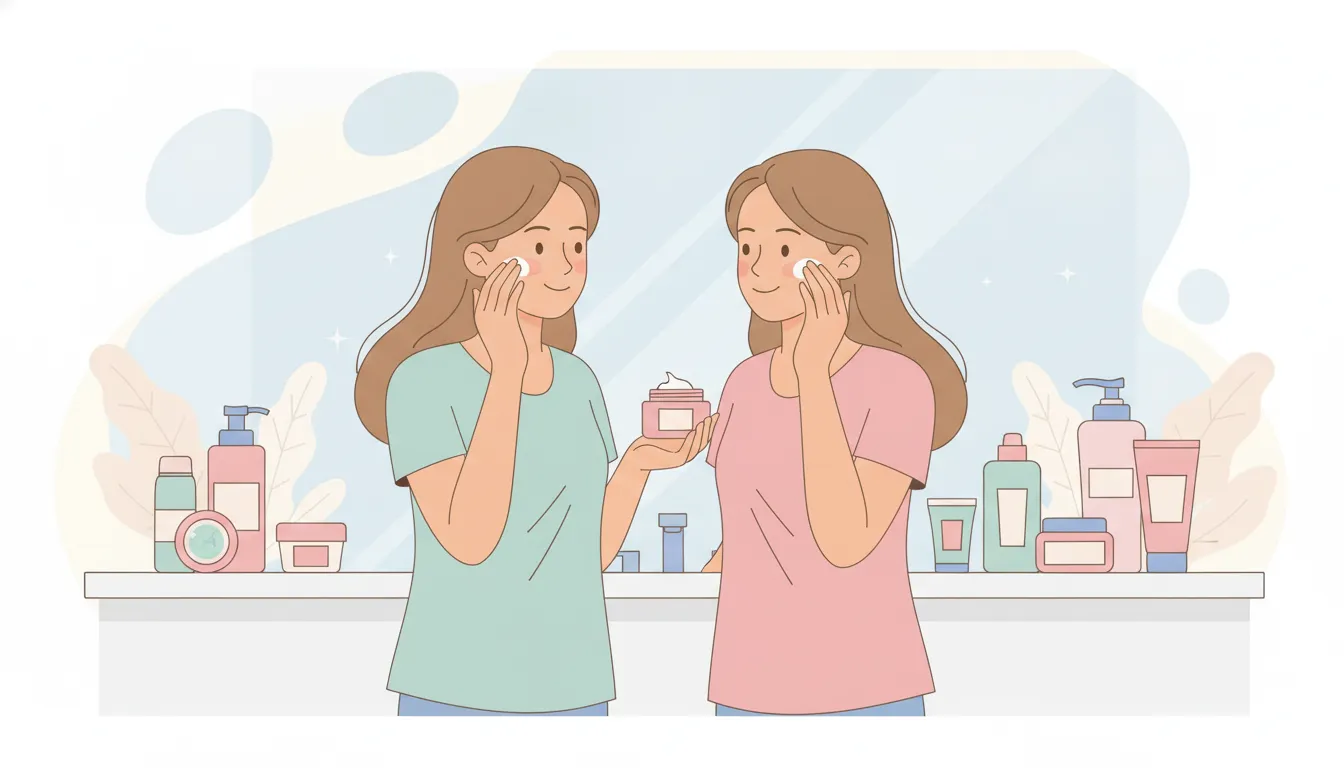
Routine visual: A simple product sequence is easier to follow when each step has a clear place.
- Young adults: Keep cleansing, moisturizing, and sun protection as the anchor. Personal preferences may guide texture, timing, or product selection. Remove sunscreen and makeup gently at night, then moisturize. If a dermatologist recommends a focused product for a specific concern, introduce it according to that guidance.
- Every stage: Use clean hands, lukewarm water, and gentle pressure. Give one new product time to show how it feels before adding another. Stop a product that causes ongoing discomfort and ask a parent or healthcare professional for guidance.
Morning sun protection is an important part of a routine for developing skin. Bright Girl offers Bright+Block Tinted SPF 44 mineral sunscreen and Bright+Block Sheer SPF 40 mineral sunscreen, so shoppers can compare options by finish and routine preference.
How Can Parents and Teens Choose Gentle Ingredients?
Skincare labels can make a basic routine seem more complicated than it needs to be. For developing skin, start with the intended purpose of the product and the person's comfort. A label should support an informed choice, not pressure a young person to add more steps.
When comparing products, look for a formula that fits the skin type and routine. Non-comedogenic language can be one screening tool for shoppers concerned about pore congestion. Fragrance-free or unfragranced options may be worth considering when skin is sensitive. Hydrating ingredients such as ceramides or hyaluronic acid may support comfortable hydration, but no single ingredient is right for every person.
| Look for | Why it matters | How to use the information |
|---|---|---|
| A clear purpose | Each step should address cleansing, hydration, protection, or another defined need. | Skip products that add complexity without a clear role. |
| Comfortable hydration | A moisturizer can help the routine feel comfortable when the skin is dry or tight. | Choose a face moisturizer and apply it as directed. |
| Barrier-aware cleansing | A cleanser should remove daily buildup without leaving the skin feeling stripped. | Use gentle pressure and avoid repeated washing. |
| Mineral sun protection | Daily sun protection supports a consistent skin-health habit. | Use a broad-spectrum mineral sunscreen as directed. |
| Fewer strong actives | Layering multiple potent formulas can increase complexity and discomfort. | Ask a dermatologist whether a targeted ingredient fits the person's needs. |
Bright Girl's guide to ingredients to avoid for teens offers additional label-reading context. Remember that an ingredient list is only one part of a decision. Intended use, the rest of the routine, skin sensitivity, and professional guidance also matter.
If a product causes persistent stinging, redness, itching, or burning, stop using it and ask a parent, pharmacist, or dermatologist what to do next. A gentle choice is an informed choice that respects changing skin.
When Should You Change Skincare for Developing Skin?
Change a routine in response to the skin, not because a video recommends another bottle. Developing skin can move through periods of dryness, oiliness, sensitivity, and breakouts. These changes are useful signals, but they do not always call for a larger routine. Often, the best first step is returning to a gentle cleanser, comfortable moisturizer, and daily sun protection.
When Is It Time to Simplify?
Simplify when the skin feels tight after cleansing, becomes unusually flaky, stings, or develops new redness after a product is introduced. Pause recently added products and keep the remaining routine consistent. Over-cleansing, vigorous scrubbing, and several new active products can make it difficult to identify the source of discomfort.
Simplifying can also help when the routine has become difficult to maintain. A short routine used consistently is more practical than a long sequence followed only occasionally. The number of products on a shelf does not determine whether the routine is appropriate.
When Should One Targeted Product Be Added?
Consider one targeted product only when there is a clear, ongoing need and the basic routine is already comfortable. Introduce one change at a time, follow its directions, and observe how the skin responds. If the skin becomes uncomfortable, stop the new step and return to the routine that felt stable.
Persistent, painful, or confidence-affecting concerns deserve individualized advice. A dermatologist can help a family decide whether a focused product is appropriate and how it should fit with the rest of the routine.
How Should Exfoliation Be Approached?
Exfoliation deserves caution because developing skin may not need frequent exfoliating steps. If a healthcare professional recommends it, follow that guidance and avoid combining it with several other active products. A simpler routine is usually easier to evaluate and more comfortable to maintain.
How Does Bright Girl Support Age-Appropriate Routines?
Bright Girl is a dermatologist-created skincare brand for young skin ages 8 through 24. The brand's Beyond Clean Beauty approach emphasizes non-toxic, pH-balanced formulations and age-appropriate education. The goal is to help girls and parents make thoughtful routine decisions without making young skin feel like a problem to solve.
Bright Girl was created by double board-certified dermatologist Angela Casey, M.D. Her clinical perspective informs the brand's focus on gentle daily habits, hydration, barrier support, and mineral sun protection. Read more about the brand's approach on Bright Girl's story.
What Does a Simple Bright Girl Routine Include?
The core sequence is easy to understand:
- Cleanse: Bright+Clean Gel Facial Cleanser provides a gentle daily cleansing step.
- Moisturize: Day+Bright Facial Moisturizer provides a pH-balanced hydration step for daily use.
- Protect: Bright+Block mineral sunscreen options make daily mineral sun protection part of the morning routine.
- Adjust thoughtfully: Calm+Bright Face Mask may fit a soothing routine for sensitive or stressed skin when used according to its directions. Explore the Calm+Bright Face Mask details before adding it.
Families can also compare the full Bright Girl skincare collection by routine step. A younger tween may need only the foundation. A teen or young adult may want to refine texture, timing, or product selection as daily needs change.
Explore Bright Girl skincare by routine step
Frequently Asked Questions
When should you start a skincare routine for developing skin?
A simple routine can begin in the tween years with gentle cleansing, moisturizing, and daily sun protection. The routine should match the child's comfort and ability to follow the steps. Parents can help with product selection and ask a healthcare professional about persistent concerns.
What is the best skincare routine for developing skin?
Start with three consistent steps: a gentle cleanser, a face moisturizer that feels comfortable, and broad-spectrum mineral sunscreen in the morning. Cleanse and moisturize at night. During puberty, adjust one step at a time if oil, dryness, or breakouts change.
How do you choose products for developing teen skin?
Choose products with a clear purpose that fit the person's skin type and comfort. Look for gentle, face-specific formulas and consider non-comedogenic or fragrance-free options when appropriate. Avoid building a routine around several strong actives at once.
What causes skin changes during puberty?
Hormonal changes during puberty can increase oil production and contribute to changes in texture or breakouts. Skin responses vary, so do not assume every teenager needs the same routine. Persistent, painful, or confidence-affecting concerns should be discussed with a dermatologist.
Ready to Build an Age-Appropriate Routine?
Skincare for developing skin can remain thoughtful without becoming complicated. Begin with gentle cleansing, comfortable hydration, and daily mineral sun protection. Then let the skin, the person's routine, and professional guidance determine whether anything else is needed.
Shop age-appropriate Bright Girl skincare for developing skin
