


Facial cleanser
- Everyday purpose
- Removes dirt, oil, and daily buildup
- What parents can check
- Is it intended for the face? Are the directions clear and manageable?
Choosing dermatologist skincare for tweens can feel surprisingly complicated when shelves and social feeds are full of strong formulas and multi-step routines. For most families, a thoughtful starting point is simpler: choose gentle, age-appropriate basics, check the label, and ask a healthcare professional about persistent or uncomfortable skin concerns.
Explore age-appropriate skincare sets
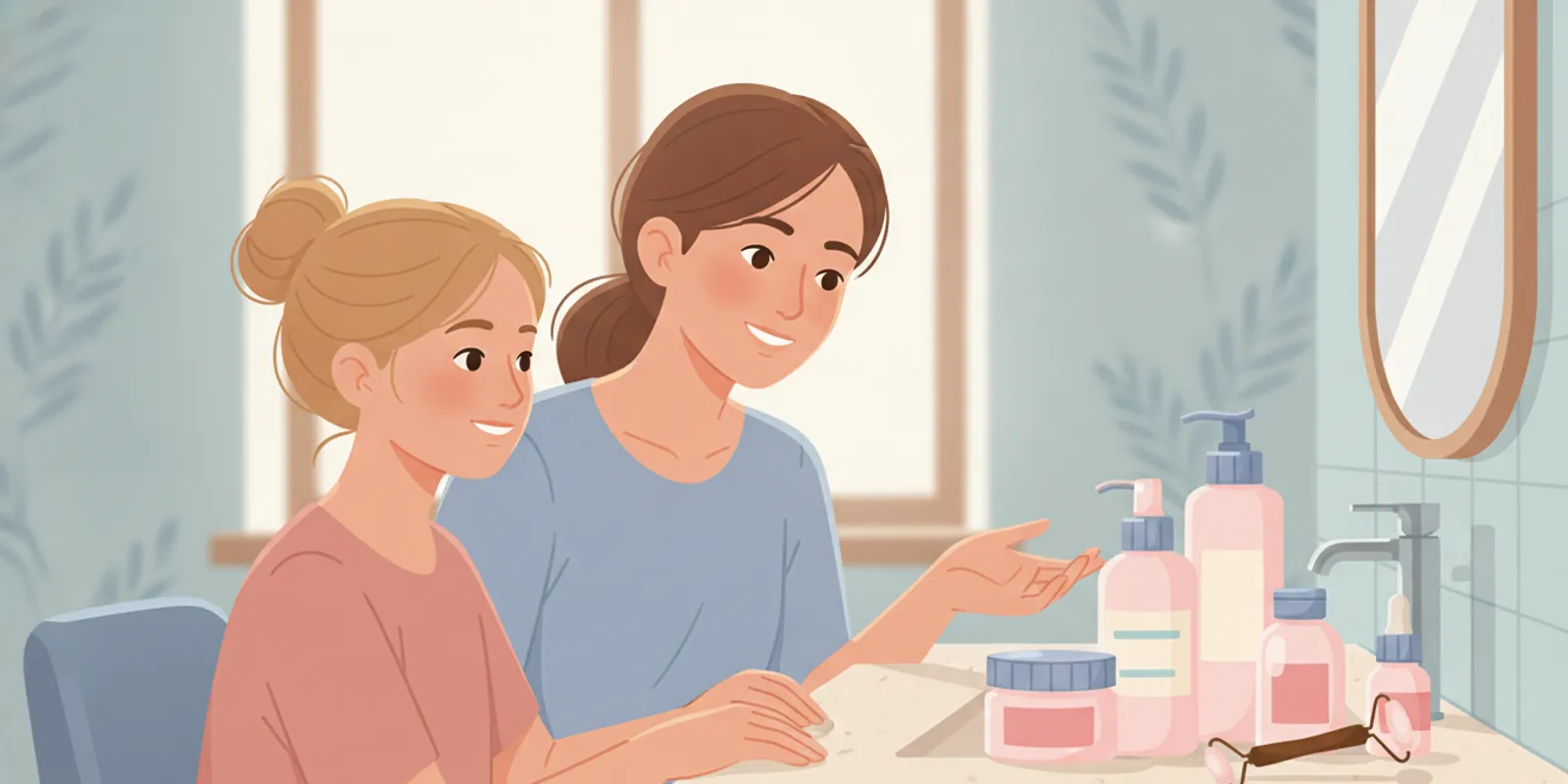
It means skincare created or guided by a dermatologist, with the needs and everyday habits of younger skin in mind. That can help parents approach product selection with more context than a trend or a long ingredient list offers. It does not mean every tween needs a complicated routine, or that a product is right for every child.
Bright Girl is a dermatologist-created skincare brand for young skin ages 8–24, founded by double board-certified dermatologist Angela Casey, M.D. Its approach centers on age-appropriate care, non-toxic formulations, and a simple routine. For parents, the useful question is not simply whether a label says dermatologist-developed. It is whether the product’s purpose, directions, and ingredients make sense for their child.
Tweens are not all at the same stage. Some want a simple way to wash their face; others notice oiliness, dryness, or blemishes as puberty changes their skin. A product choice should start with what the child actually needs, not what a social video says everyone needs. Parents can also read more about skincare for kids and age-appropriate basics before shopping.
For everyday care, a short routine is easier to understand and maintain than a shelf full of products. A cleanser can remove dirt, oil, and daily buildup. A moisturizer can add hydration and support a healthy-looking skin barrier. Sunscreen provides a practical part of daytime sun protection. Add other products only when there is a clear reason to consider them.
As a parent, you can help make the routine predictable without turning it into a project. Keep products together, follow each product’s directions, and check in if something feels uncomfortable. The goal is consistency and comfort, not a perfect-looking complexion or a specific number of steps.
Bright Girl’s Bright+Clean daily facial gel cleanser and Day+Bright 24-hour facial moisturizer are examples of basic product categories parents can compare. Read the current product directions and full ingredient information before making a choice.
Product labels can make similar-looking items sound very different. Comparing the basic purpose of each product can help you decide whether it fills a real gap in the routine. The table below is a general guide, not medical advice or a recommendation for every tween.
This comparison is about product roles, not a requirement to buy every type listed. Many tweens can begin with a cleanser, moisturizer, and daytime sunscreen. A parent might look at a curated skincare set to see how products are grouped, but should still review what is included and whether each item fits the child’s needs.
Take a moment to read the label before checkout and again when a new product arrives. Look for the product’s intended use, directions, warnings, and complete ingredient information. Make sure the item is designed for the face if that is where it will be used. Follow the stated amount and frequency rather than borrowing instructions from a social post or another product.
Ingredient preferences vary by family. A parent may want to avoid a particular ingredient because of a known sensitivity or personal preference. Rather than assuming that a long ingredient list signals better care, compare the ingredients with your child’s known sensitivities and the product’s stated purpose. Bright Girl provides its ingredient exclusion information for families who want to review what is not included in its products. This is one source of information, not a substitute for checking the product’s full ingredient list.
It also helps to distinguish marketing language from practical product details. A polished claim does not replace clear directions, a relevant product purpose, or a label you can review. Choose pH-balanced, age-appropriate care with a focus on gentle daily habits, and keep the routine limited to products that have a clear role.
Parents can use a short label-checking sequence while shopping online or in a store. First, confirm the item is for the intended area and age range. Next, find the directions and check whether the child can realistically follow them. Then review the ingredient list for anything the family already knows should be avoided. Finally, ask whether the product solves a real routine need. If the purpose remains unclear after reading the page, pause and ask the company or a healthcare professional before buying.
For example, a tween who says their face feels tight after washing may need a gentler routine and a moisturizer, rather than another cleansing step. A tween bothered by shine may benefit from keeping the cleanser step gentle and consistent, not washing repeatedly during the day. These examples are prompts for a parent-child conversation, not a diagnosis or a promise about what a product will do. If a change in the skin is sudden or uncomfortable, a professional can help clarify the next step.
A useful routine is one the tween can remember and the parent can help supervise. Keep the products in one place and connect each step to an existing daily habit, such as getting ready in the morning or washing up before bed. Follow product directions rather than creating a new schedule from memory. If a product is meant for occasional use, do not turn it into a daily step without checking its instructions.
On school mornings, a family may favor a brief sequence that fits before breakfast or packing a bag: wash as directed, moisturize if needed, and use sunscreen for daytime protection. After sports or time outdoors, follow the cleanser and sunscreen labels and avoid adding extra steps just because the skin feels warm or looks shiny. On weekends, routines do not need to become more elaborate. The same basic products can be used according to their directions.
Parents can also make the routine easier to sustain by checking that a child understands how much to use, where not to apply a product, and how to close and store the packaging. Keep products out of reach of younger siblings when appropriate. If the routine is regularly forgotten or feels burdensome, simplify it and revisit whether every item has a clear purpose. Skincare should fit into family life, rather than take it over.
Skin can feel different over time. Some young people notice more oil or shine as puberty begins, while others are concerned about dryness, sensitivity, or uneven texture. Those experiences do not mean every child needs the same product or that a parent should try a series of strong formulas. Start by asking what the child notices, when it happens, and whether there is discomfort.
For oily or combination-feeling skin, the first step is still gentle cleansing rather than harsh scrubbing. For skin that feels dry, a comfortable moisturizer may be a useful basic. For sensitive-feeling skin, keep the routine especially simple and look closely at directions and ingredients. If a concern is persistent, painful, worsening, or affecting a child’s comfort, check with their healthcare professional instead of continuing to experiment with products.
Parents looking for a more individualized shopping path can use the Bright Girl skin quiz as a starting point for product guidance. It is not a medical assessment. For families comparing routine formats, the Core 4 routine provides another way to review a group of skincare basics; check the current product details before deciding whether it suits your household.
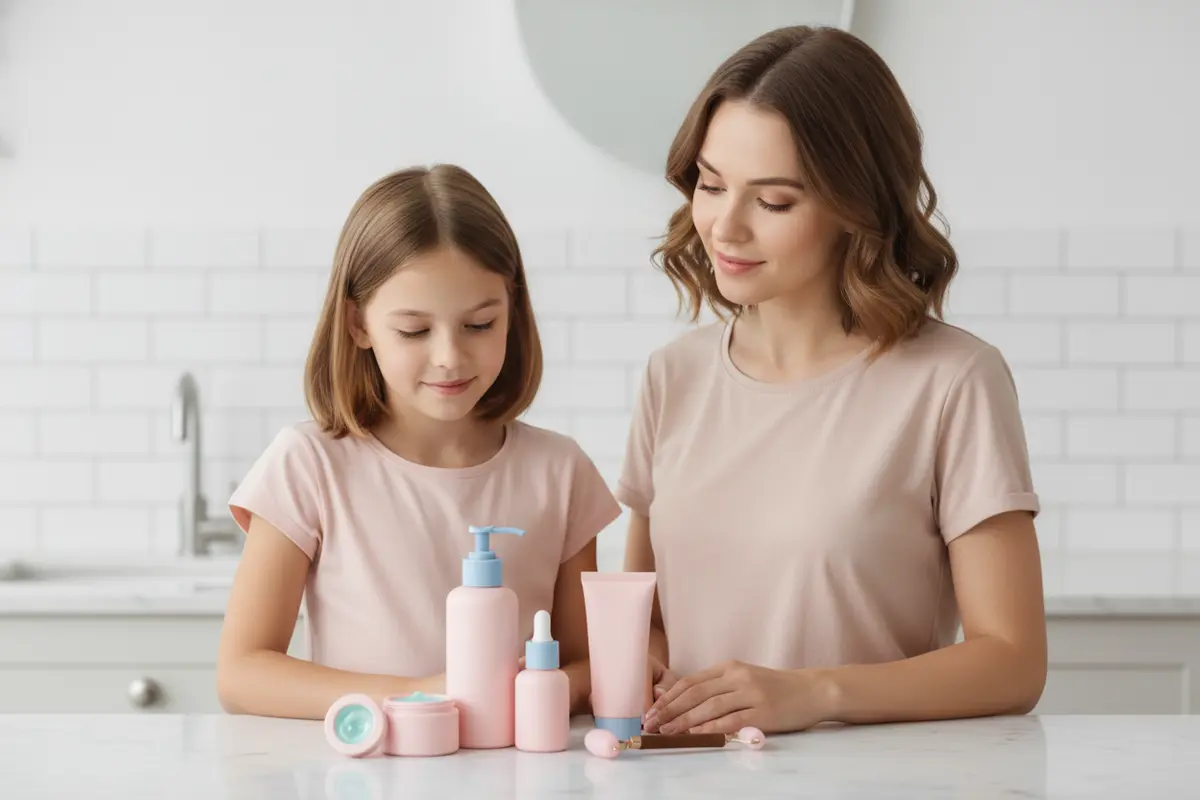
Adding one new product at a time makes it easier to notice how the routine feels and identify which item may be causing a reaction. Avoid starting several new products together. Read and follow each product’s directions, and do not use an item on irritated or broken skin unless a healthcare professional has advised it.
For more context on simple routines, parents can read Bright Girl’s guides to safe skincare for tweens, skincare basics for teens, and ceramides in skincare. Use educational articles to guide questions, not to replace advice from a clinician who knows the child’s health history.
Product selection is not a substitute for professional care. Ask a pediatrician, dermatologist, or other qualified healthcare professional if a skin concern is persistent, painful, spreading, or causing significant distress. It is also sensible to seek guidance when a child has a known skin condition, a history of reactions, or is considering a product with active ingredients or directions that are unclear.
Bring the products or ingredient lists to an appointment if that would help explain what the child is using. Share when the concern began, which products have been tried, and whether the skin feels itchy, sore, or unusually dry. A healthcare professional can help families decide what is appropriate for that individual. The American Academy of Dermatology offers general skin-care information at aad.org; for personal medical questions, contact a qualified professional.
For a product-specific question about Bright Girl, families can contact Bright Girl. If you are comparing a different product category, the full skincare collection and Beyond Clean Beauty overview offer additional product and brand information.
Ask Bright Girl a product question
There is no single starting age that fits every child. A simple cleanser, moisturizer, and daytime sunscreen may be enough when there is a practical need. Consider the child’s comfort, the product directions, and advice from a healthcare professional when a skin concern is involved.
No. Dermatologist involvement can offer useful context, but families should still review the product’s purpose, directions, and ingredients. Individual sensitivities and skin needs differ.
Not necessarily. These are optional product types, not required steps for every routine. Start with basic care and add another item only when there is a clear reason and the directions suit the child.
Stop using the product and ask a healthcare professional for guidance if the discomfort is concerning or does not settle. Keep the package or ingredient list available so you can explain what was used.
Choose a few products with clear purposes, set manageable daily habits, and avoid shopping based only on trends. A routine should support comfort and healthy habits, not create pressure to use more products.
Dermatologist skincare for tweens should make product choices clearer, not add pressure to build an elaborate routine. Parents can focus on gentle basics, thoughtful label checks, and professional guidance when a concern needs more than everyday care.
To explore the brand’s background and approach, visit Bright Girl’s story or review the Bright+Tone hydrating toner details if considering an optional toner step. Whatever you choose, keep the routine age-appropriate, comfortable, and easy for your family to understand.
