

A chalky stripe across the cheek is the fastest way a mineral sunscreen gets left in the bathroom drawer. Parents shopping for young skin often like mineral filters. Then they watch a tween wipe the formula off because it looks white in the car mirror. A mineral sunscreen no white cast still uses zinc oxide or titanium dioxide. The finish blends instead of sitting on the skin like paint.
See the tinted mineral face sunscreen.
This guide is for the parent making that call. It explains why the white look happens and which finish cues matter. It also shows how to apply a mineral face sunscreen so a child or teen is more willing to wear it again tomorrow. If you still need the broader shopping rules for SPF number and skin type, start with our guide to the best sunscreen for face and come back here for the finish question.
Why Does Mineral Sunscreen Leave a White Cast?
Mineral filters sit on the skin and scatter light. Zinc oxide and titanium dioxide are the two minerals you will see on a U.S. sunscreen label. In a thick, untinted layer, those particles reflect visible light back at the eye. That reflection is the white cast. It is not a sign that the sunscreen is "working harder." It is a sign that the layer is thick. Uneven, or missing pigments that help it match skin.
Particle size and formula texture change how obvious that look is. Older mineral sunscreens used larger particles, so the film was easy to see. Newer formulas mill the minerals finer and suspend them in lighter creams, which helps them spread. Finer is not magic. A heavy glob on dry skin can still look pale, even in a modern tube. A thin, warmed layer usually looks softer.
Skin tone makes the same formula look different. On fair skin, a light film can disappear. On medium, olive, and deep skin, the same film can look gray or ashy. That is why a parent should judge the finish on the child's own skin, in daylight, not on a swatch photo of someone else. Let the product sit for a minute. Some formulas settle and look less chalky after they dry.
The cast also shows up more on dry patches, around the hairline, and where sunscreen meets a thick moisturizer that has not absorbed. If the base layer is still wet, the sunscreen pills and the minerals clump. Those clumps catch light. A short wait after moisturizer, then a smaller amount of sunscreen, often fixes a look the family blamed on the filter itself.
None of this means mineral sunscreen is a poor choice for young skin. Dermatologist Angela Casey, M.D., built Bright Girl for ages 8 to 24 with mineral sun protection as a daily step, not a special-occasion product. The goal is a finish a young person will leave on. Protection they wipe off does not help.
What Should Parents Check for a Mineral Sunscreen No White Cast?
Start with the finish words on the label. Then confirm the filters. Sheer, tinted, and light coverage tell you the brand tried to solve the cast. Untinted formulas can still be wearable. A very high mineral percentage in a clear base needs a careful blend. Read the active ingredients. Zinc oxide, titanium dioxide, or both should be listed there, not buried in a marketing line.
Then check the protection claims you still need. The American Academy of Dermatology says to choose a broad-spectrum sunscreen with SPF 30 or higher that is water resistant. Broad spectrum means the label covers UVA and UVB. Water resistance is a timed claim, usually 40 or 80 minutes, and it never means the product stays on all day. The FDA's sunscreen guidance also says to apply 15 minutes before sun and reapply at least every two hours, and more often when swimming or sweating.
For young skin, comfort matters as much as the number. A formula that stings the eyes or feels heavy will be skipped before school. Look for a face sunscreen rather than a thick body lotion. Notice whether the brand talks about fragrance. Many families with easily upset skin prefer a simple formula. Bright Girl's Beyond Clean Beauty standard is the brand's way of saying the routine stays non-toxic and age-appropriate, without turning sunscreen into a costume.
Use this short check before you buy:
- Active minerals are zinc oxide, titanium dioxide, or both.
- The label says broad spectrum and at least SPF 30.
- The finish is described as sheer, tinted, or made to blend.
- Water resistance is listed as a time, not as waterproof.
- The texture feels acceptable on the child's face, not only on the back of a hand.
If two products pass that list, pick the one your child will actually wear to the bus stop. Consistency beats a perfect lab story. Our notes on sunscreen for everyday wear go further into making the habit stick.
How Do Tinted and Sheer Mineral Finishes Compare?
Tint and sheer are different answers to the same problem. A tinted mineral sunscreen adds iron oxides, the pigments that give the cream a soft beige, peach, or brown tone. Those pigments hide the pale look of the minerals and can make redness look softer. A sheer or clear mineral sunscreen skips the pigment and relies on a fine texture to disappear. Both can be a mineral sunscreen no white cast. They will not look the same on every face.
Bright Girl keeps the choice narrow on purpose. Bright+Block SPF 44 is a tinted mineral sunscreen with 10% zinc oxide and 5.5% titanium dioxide. It is water resistant for 80 minutes, uses iron oxides, and gives sheer light coverage rather than a full makeup layer. On the live product page it is $40 for 2.1 fl oz. Families often reach for it when a little tone-evening helps a teen feel finished without a separate foundation.
Bright+Block SPF 40 Sheer is the clear path. It uses 17% zinc oxide, is also water resistant for 80 minutes, and is made to disappear into skin. It is the same $40 and the same 2.1 fl oz size. It suits a child who does not want any color on the face, including many athletes who sweat through a tint. A higher zinc percentage does not automatically mean a whiter look. Texture and how you spread it still decide the finish.
| Finish question. | Tinted mineral, SPF 44. | Sheer mineral, SPF 40. |
|---|---|---|
| What softens the cast. | Iron oxide tint and sheer light coverage. | A clear base made to blend into skin. |
| Mineral filters. | 10% zinc oxide and 5.5% titanium dioxide. | 17% zinc oxide. |
| Best starting point. | A teen who likes a soft, even look. | A child who wants no visible color. |
| Water resistance. | 80 minutes. | 80 minutes. |
| Everyday price. | $40 for 2.1 fl oz. | $40 for 2.1 fl oz. |
Do not force one finish on the whole household. Siblings can need different tubes. If you want the longer teen comparison, read tinted versus sheer mineral sunscreen. This page stays on the cast itself. For roundups of many brands, our existing notes on mineral sunscreens for face with no white cast cover product picks rather than the parent how-to.
Compare the Bright+Block tinted face sunscreen
How Should Families Apply Mineral Sunscreen So It Blends?
Application is half the cast problem. A good formula still looks chalky if it goes on cold, thick, and dry. Set the tube in a warm room, not in a hot car. The FDA says sunscreen labels must tell you to protect the container from excessive heat and direct sun. Heat is not a blending trick.
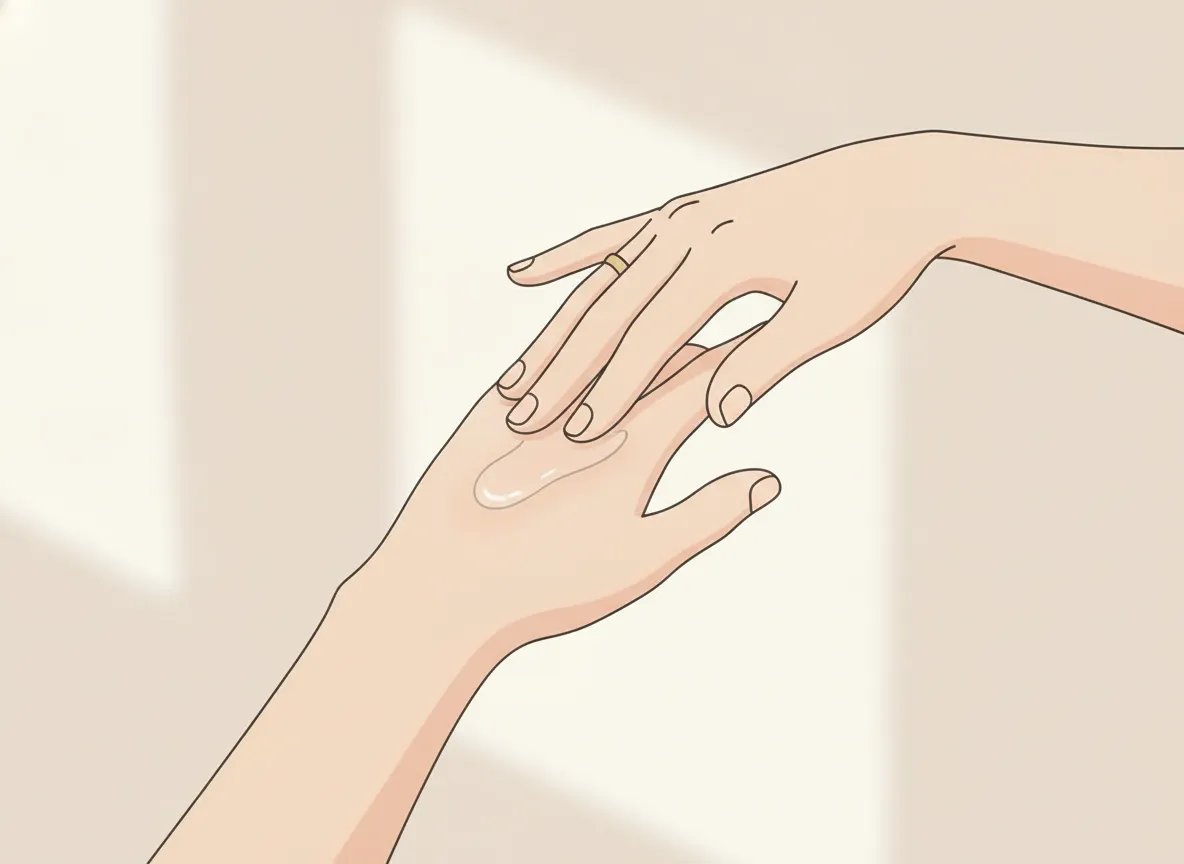
Use a small amount and build if you need to. For a young face, start with a pea to a blueberry sized amount, then add a second dot for the neck and ears. Rub it between the fingers for a second so it softens. Pat and press it onto the cheeks, nose, forehead, and chin. Hard swiping leaves streaks. Pressing helps the film lie flat.
- Let moisturizer absorb for a minute so the sunscreen does not pill.
- Warm a small amount between the fingers.
- Press it on the center of the face, then move outward.
- Check the hairline, ears, and jaw in daylight.
- Wait a minute and add a second thin layer only where you still see a film.
Give the formula a minute before you judge it. Tinted mineral sunscreen often looks deeper when it is wet and softer once it sets. Sheer mineral sunscreen can look milky for a few seconds and then clear. If a white edge remains at the hairline, you used too much in one spot. Tap the edge with a clean finger instead of adding more product.
Reapplication is where casts come back. A second full coat on top of a set layer can look cakey. For school days, a thin refresh on the nose, cheeks, and ears is more realistic than a full redo at a bathroom sink. Outdoor practice is different. After sweating or swimming, follow the water-resistance time on the label and reapply to dry skin when you can. Our sunscreen habits for teens piece walks through the daily rhythm in more detail.
Keep the rest of the morning short. A gentle cleanse, a simple moisturizer, and sunscreen is enough for many 8 to 14 year olds. If the skin barrier already feels tight or flaky, fix that before you blame the sunscreen. The skin barrier parent guide explains what that tightness usually means. Piling on extra steps will not make a mineral film blend better.
Which Mineral Finish Fits Young Skin at Home?
Match the finish to the morning, not to a trend. A tinted mineral sunscreen is often the easier yes for a teen who already notices redness or who wants the face to look even in photos. The iron oxides do the blending work that a clear formula asks the fingers to do. Sheer mineral sunscreen is often the easier yes for a younger child. A boy who refuses "makeup," or a deeper skin tone that a single beige tint cannot match.
Try both on the jaw in daylight if you can. Bright Girl's sun protection set puts the mineral options in one place so you are not guessing from a single tube. The Core 4 set is the broader routine for families who want cleanser, moisturizer, and sun protection together. Sunscreen still stays the last morning step.
Watch how the finish behaves on real weeks, not on the first swipe.
- School days with little sweat: either finish can work if the child likes the look.
- Practice, dance, or outdoor lunch: use the 80-minute water-resistant claim and plan a reapply.
- Dry winter skin: moisturizer first, then a thin mineral layer. Winter air makes casts more obvious.
- Easily upset skin: keep the routine gentle. Read gentle skincare for sensitive skin before adding scrubs or strong leave-ons.
Parents of younger girls can keep the standard simple. Our skincare habits for young girls piece is the wider routine view. Sunscreen is the step that should not wait for high school. The facial sunscreen for teen girls guide covers the buying frame for older girls once the cast question is settled.
A cast that will not blend is useful information. Switch finishes before you switch the whole routine. If a sheer formula stays ashy, try the tint. If a tint looks orange or gray, try the sheer, or use less. Do not scrub the face to "make it clear." Scrubbing leaves skin more reactive and does not change the mineral particles.
Angela Casey, M.D., is a double board-certified dermatologist and the founder of Bright Girl. The brand is national, sold online, and built for young skin rather than a scaled-down adult line. That context matters when a label screams for a complex regimen. A mineral sunscreen a child will wear is the more serious choice.
What Mistakes Make a White Cast Worse?
Most cast complaints come from habits, not from a single bad ingredient. Fix the habit before you abandon mineral filters.
Using a body sunscreen on the face is the classic miss. Body lotions are often thicker so they cover arms and legs. On a face they sit in smile lines and look pale. Choose a face formula. Then use enough, but not a handful. More product is not more elegant. Two thin layers beat one heavy stripe.
Skipping the wait after moisturizer is the next miss. Damp skin plus mineral sunscreen pills. The pills look like white flakes. Wait until the moisturizer feels set. In winter, that can take longer. Our winter skincare routine for tweens and teens covers the dry-air version of this problem.
Judging the color indoors under yellow bulbs hides the truth. Check a window or the front step. Indoor light flatters a cast that daylight will show in the school pickup line. Also check the ears. Parents blend the cheeks and forget the ear rims, which then look dusty in photos.
Do not mix sunscreen into foundation or moisturizer to "dilute" the cast. Mixing changes the amount of filter on the skin, and you cannot see the new SPF. Apply moisturizer, then sunscreen, then stop. If a teen uses makeup, sunscreen goes on first and should set before anything else. A mineral sunscreen no white cast should not need to be hidden inside another product.
Finally, do not chase waterproof language. The FDA is clear that no sunscreen is waterproof. Water resistant is the real claim, and it expires. After the labeled time in water, the film is thinner whether it still looks white or not. Reapply.
Frequently Asked Questions
Does a white cast mean the mineral sunscreen is not for my child?
No. A white cast means the layer is reflecting light. A finer texture, a tint, or a thinner application often fixes it. If the formula still looks ashy on your child's skin in daylight, switch finishes instead of dropping daily sun protection.
Is tinted mineral sunscreen the same as foundation?
No. A tinted mineral face sunscreen can give sheer light coverage, but it is still a sunscreen step. Bright+Block SPF 44 is built as that step, with zinc oxide, titanium dioxide, and iron oxides. It is not a full makeup routine, and it should not replace reapplication when your child is outside for hours.
Can a clear mineral sunscreen still leave a white cast?
Yes. Clear and sheer describe the goal, not a promise on every skin tone. A 17% zinc oxide formula like Bright+Block SPF 40 Sheer is made to disappear, yet a thick layer on dry skin can still look milky. Warm it, use less, and press it in.
How often should we reapply if the finish already looks good?
Looks are not a timer. The FDA says to reapply at least every two hours, and sooner after swimming or sweating. Water resistance on Bright Girl's mineral sunscreens is 80 minutes, which is the tested wear in water, not an all-day pass. A thin second layer is better than waiting until the first coat looks gone.
See the tinted mineral face sunscreen
A Finish They Will Leave On
The right mineral sunscreen no white cast is the one that protects and still looks like skin. Check the minerals, choose tint or sheer for the child in front of you, and apply a thin pressed layer in daylight. Bright Girl's tinted SPF 44 and sheer SPF 40 are the two in-house starting points, both formulated by Angela Casey, M.D. for young skin.
When you are ready to compare them on your own terms, look at the tinted mineral face sunscreen and keep the sheer option beside it if your household needs both.


