


Sunscreen for Everyday Wear Teens Can Use
For many families, sunscreen becomes easiest to use when it feels like a dependable part of the morning, not an extra project. The goal is a comfortable formula teens can apply consistently before school, activities, and time outdoors.
Shop Bright Girl Sun Protection
For sunscreen for everyday wear teens can use consistently, look for broad-spectrum protection. Water resistance, SPF 30 or higher, and a finish that suits the teen's preferences and routine. The American Academy of Dermatology emphasizes simple, age-appropriate skincare and notes that consistency matters more than a complicated regimen.
That practical standard makes it easier to compare formulas without getting distracted by hype. Start with what daily sunscreen should do, then consider finish, application habits, and the option that fits your teen's real mornings.
What Does Sunscreen for Everyday Wear Teens Need to Do?
For everyday wear, sunscreen for everyday wear teens should use needs to offer broad-spectrum coverage. SPF 30 or higher, water resistance, and a comfortable feel that makes daily application realistic. The American Academy of Dermatology recommends broad-spectrum, water-resistant sunscreen with SPF 30 or higher each day for tweens and teens. The FDA also advises using broad-spectrum sunscreen regularly and as directed. Parents can use those features as a practical starting point, then choose a formula that fits their teen's skin and routine.
Why Does Broad-Spectrum Coverage Matter?
Broad-spectrum labeling means the sunscreen is designed to cover both UVA and UVB radiation. SPF describes the product's sunburn protection level, so SPF 30 or higher is a straightforward benchmark for daily use. For a helpful overview of what SPF means and how it fits into a routine, see this guide to SPF 30 sun protection.
Water resistance can also be useful when a school day includes recess, sports, or time outside. It does not mean sunscreen stays fully effective indefinitely in water or when a person is sweating. Label directions still matter, including when to reapply.
How Can Teens Keep Daily Sunscreen Simple?
The best routine is one a teen can follow consistently. A simple cleanser, moisturizer when needed, and sunscreen sequence is easier to maintain than a crowded regimen. The AAD notes that consistency matters more than a 10-step routine. If skin is sensitive, parents may also want to avoid added scents. Which can trigger irritation or allergic reactions, and skip harsh cleansing or scrubbing that can irritate skin.
Comfort is part of adherence. A formula that feels manageable under daily clothing, makeup, or school activities is more likely to become a dependable morning habit. Keep the routine straightforward, follow the product label, and remember that sunscreen works alongside shade, protective clothing, hats, and sunglasses rather than replacing them.
Why Is Daily Sun Protection Part of a Teen Routine?
Daily sun protection works best when it feels like a normal part of getting ready, not a special step reserved for beach days. Teens may spend time outside walking to school, attending practice, sitting near windows, or running errands. A simple morning habit helps families prepare for those ordinary moments without turning skincare into a long checklist.
Why does consistency matter more than a complicated routine?
Parents do not need to build a 10-step regimen to support a teen's skincare habits. The American Academy of Dermatology notes that consistency matters more than a 10-step routine. A practical sequence can be easier to repeat: gentle cleansing, moisturizer when needed, and broad-spectrum sunscreen as the final morning skincare step. You can learn more about how to layer sunscreen in a routine without making the process feel overwhelming.
The goal is a routine a teen can remember and use independently. Keeping sunscreen beside other morning essentials, applying it before leaving home, and choosing a comfortable formula can all reduce friction. Parents can reinforce the habit with calm reminders rather than framing sun protection as a correction or a source of worry.
How can families keep daily care gentle?
Teen skin can change as hormonal shifts increase oil production. That does not mean a routine should become harsher. The AAD cautions that harsh cleansing or scrubbing can irritate skin, and added scents may trigger irritation or allergic reactions. A gentle, age-appropriate approach is often more sustainable, especially for young people who already find skincare uncomfortable or confusing.
Daily sunscreen is one part of a balanced routine, alongside shade, clothing, hats, and sunglasses when appropriate. For parents, the most useful standard is not perfection. It is helping a teen develop a repeatable habit that fits school mornings, weekend plans, and the changing needs of their skin.
How Should Parents Compare Mineral Sunscreen Formulas?
For parents choosing sunscreen for everyday wear teens, the most useful comparison is often practical: which finish is more likely to feel comfortable and fit the teen's routine? Bright Girl offers two mineral facial options with different finishes and sourced active-ingredient profiles. Both can be considered alongside guidance on choosing facial sunscreen and the broader mineral sunscreen guide.
What Does the Tinted Formula Offer?
Bright+Block SPF 44 Tinted Mineral Sunscreen is described as providing sheer, light coverage. Its listed active ingredients are 10% zinc oxide and 5.5% titanium dioxide. That lightly tinted finish may appeal to teens who prefer a little visible coverage as part of getting ready. While still keeping the product positioned as facial sunscreen rather than complexion makeup.
When Does a Sheer Formula Make Sense?
Bright+Block SPF 40 Sheer Mineral Sunscreen is described as having a clear formula. Its listed active ingredient is 17% zinc oxide. A clear finish can be a straightforward choice for teens who want sunscreen to blend into a simple morning routine without added tint.
| Feature. | SPF 44 Tinted. | SPF 40 Sheer. |
|---|---|---|
| Finish. | Sheer, light coverage. | Clear formula. |
| Sourced active ingredients. | 10% zinc oxide; 5.5% titanium dioxide. | 17% zinc oxide. |
| Water resistance. | KB-described water resistant for 80 minutes. | KB-described water resistant for 80 minutes. |
Neither finish is automatically the right choice for every teen. A clear formula may suit someone who wants an understated look. Light tint may feel more comfortable for someone who enjoys coverage. Choose the option a teen can use consistently. Include sun-safe habits beyond sunscreen.
Shop Bright Girl Sun Protection
How Can Teens Make Sunscreen Fit a Morning Routine?
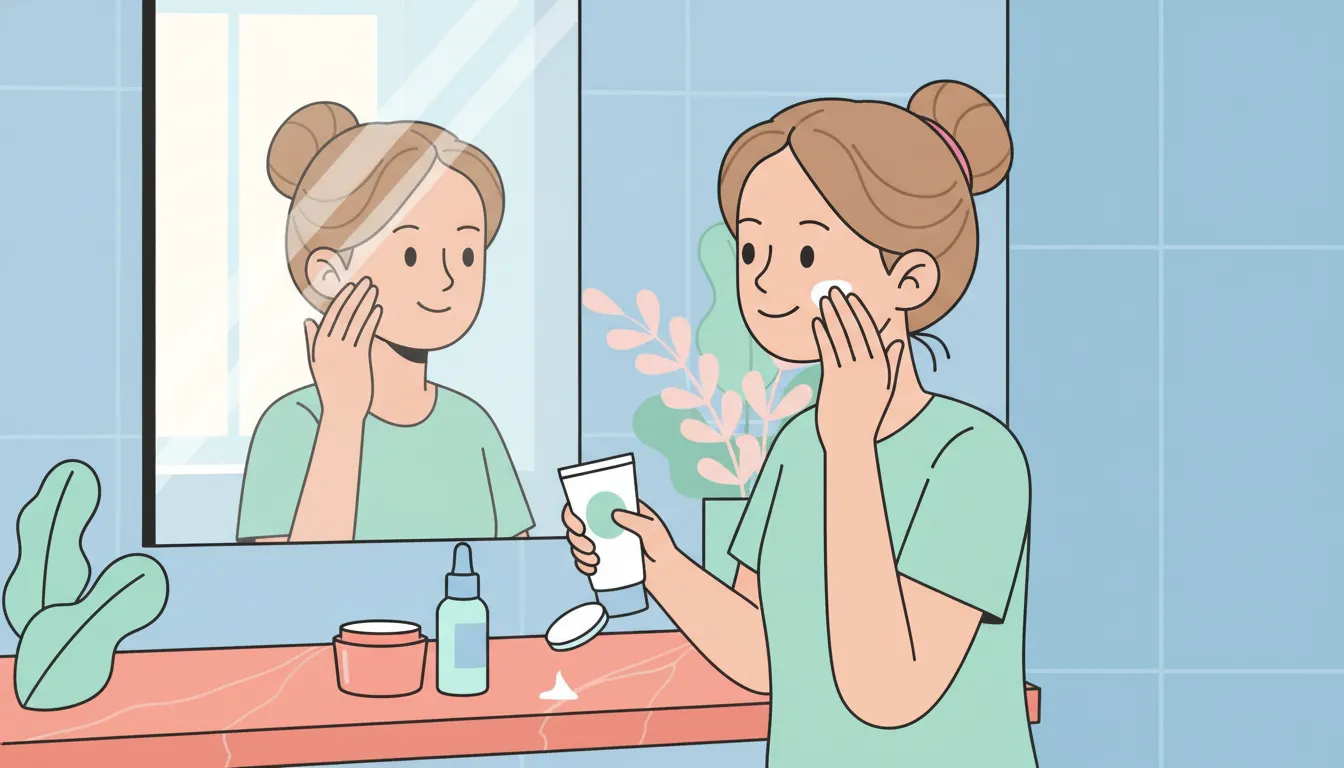
The easiest routine is one that can happen on an ordinary school morning, not only before a beach day. Keep the sequence familiar, allow enough time before heading outside, and make sunscreen the final skincare step before makeup, if makeup is part of the routine. The FDA advises applying sunscreen 15 minutes before sun exposure, so building in that pause can make the habit more practical.
What should happen before sunscreen?
A gentle, repeatable order helps avoid turning sun protection into a complicated project. Harsh cleansing or scrubbing can irritate skin, so the morning should focus on comfortable preparation rather than trying to do more. Parents can help by keeping the needed products visible and agreeing on a routine that fits the teen's schedule.
- Cleanse gently. Start with a mild cleanse, or follow the established morning cleansing routine if the skin does not need a full wash.
- Moisturize as needed. Apply the routine moisturizer and give it a moment to settle. A simple routine is easier to maintain than a long sequence, and the AAD notes that consistency matters more than a 10-step routine: AAD dermatologist guidance.
- Apply sunscreen. Use sunscreen as directed on the product label, covering exposed skin. Apply at least 15 minutes before sun exposure when practical, following the FDA's guidance.
- Add the rest of the plan. Before leaving, choose protective clothing, sunglasses, a hat, or shade when appropriate. Sunscreen works alongside these measures, rather than replacing them.
How can families make the routine easier to remember?
Connect sunscreen to a step that already happens, such as brushing teeth, packing a bag, or putting on shoes. For a fuller guide, see how to apply sunscreen and learn how to layer sunscreen in a routine. The goal is a calm, repeatable morning pattern that still leaves room for school-day realities.
When Should Teens Reapply Sunscreen Outdoors?
Reapplication depends on what the day looks like. For a typical school day, sunscreen applied before leaving home may be enough for the morning portion of the routine. But the FDA advises reapplying at least every two hours when spending time outdoors. Build the timing around the schedule rather than waiting until skin feels hot or looks flushed.
What Does Reapplication Look Like on a School Day?
For outdoor lunch, physical education, sports practice, or a walk home. A teen can keep sunscreen with their personal-care items and reapply before extended time outside if two hours have passed since the last application. This is especially useful on days with repeated outdoor periods. The FDA also recommends applying sunscreen 15 minutes before sun exposure, so applying at home before school remains an important first step. Read the full guidance from the FDA for product directions and broader sun-safety advice.
When Is More Frequent Reapplication Needed?
Swimming and sweating change the schedule. The FDA advises reapplying more often when a person is sweating or swimming, even if the two-hour interval has not passed. A water-resistance claim is not a universal reapplication rule. For example, the Bright Girl product information describes its facial sunscreen formulas as water resistant for 80 minutes. That label guidance is distinct from the FDA's general at-least-every-two-hours advice and should be followed as directed for the specific product.
After swimming or heavy sweating, reapply according to the product label. The DailyMed label for the referenced sunscreen directs reapplication after 80 minutes of swimming or sweating and immediately after towel drying. Drying off can remove sunscreen from the skin, so towel drying is a clear signal to apply again before returning outdoors. Sunscreen works best as one part of a broader plan that also includes shade, clothing, and other protective habits.
Which Bright Girl Sunscreen Fits a Teen's Everyday Routine?
Choosing a daily facial sunscreen becomes easier when the decision starts with finish and routine, not a long list of features. Bright Girl offers two mineral facial options. So parents can match the formula to how a teen prefers sunscreen to look and feel during a school day, commute, or regular time outdoors.
Should you choose a clear finish or light tinted coverage?
For a clear finish, consider Bright+Block SPF 40 Sheer Mineral Sunscreen. Its formula contains 17% zinc oxide and is described in Bright Girl's product information as clear and water resistant for 80 minutes. It is a straightforward choice for teens who want their sunscreen to blend into their routine without visible tint.
For a subtle complexion-enhancing option, consider Bright+Block SPF 44 Tinted Mineral Sunscreen. It contains 10% zinc oxide and 5.5% titanium dioxide, with sheer, light coverage. The product information also describes it as water resistant for 80 minutes. This may suit teens who prefer a softly tinted finish for school or activities. It can also offer more visual uniformity.
Is an individual sunscreen or the Sun Protection set the better fit?
Choose an individual product when the finish preference is already clear or when you are replacing one familiar formula. If your family is still comparing both options, the Bright Girl Sun Protection set includes the SPF 44 tinted and SPF 40 sheer sunscreens. Having both makes it easier to choose a finish based on the day, outfit, or personal preference without changing the rest of the routine.
Both facial sunscreens are listed as 2.1 fluid ounces, or 59 milliliters. Bright Girl products are developed by double board-certified dermatologist Angela Casey, MD, which supports the brand's education-first, age-appropriate approach for young skin. Choose the product a teen can use consistently and comfortably in a simple morning routine.
What Other Sun-Safe Habits Should Teens Build?
Sunscreen is one part of a thoughtful sun-safety routine, not the only step. The FDA recommends combining sunscreen with other protective measures, including limiting time in direct sun and covering exposed skin. These measures give teens practical choices for school, walks, and weekends outside.
What Can Teens Do on School Days?
On bright school days, encourage simple habits that fit naturally into the schedule. If there is a choice between a sunny courtyard and a covered seating area, shade is a sensible option. Especially from 10 a.m. to 2 p.m., when the FDA says the sun's rays are most intense. A lightweight long-sleeved shirt or pants can cover more skin when the weather and dress code allow.
Sunglasses are another easy addition for outdoor breaks, walking between activities, or waiting for a ride. A broad-brimmed hat can provide additional coverage during field days and other events. These habits do not need to make a teen's routine complicated. Packing them with school essentials can make them easier to remember.
Which Habits Help on Outdoor Days?
Outdoor days call for more planning because teens may spend longer periods in direct sun. Before a game, hike, beach visit, or picnic, check whether shade will be available and plan breaks away from direct sunlight when possible. Clothing that covers the arms and legs, sunglasses, and a broad-brimmed hat can all help limit exposed skin. Choose comfortable pieces that a teen is willing to wear consistently.
Timing matters, too. When activities are flexible, scheduling the most active time outside the strongest midday sun can reduce direct exposure. These habits work alongside sunscreen rather than replacing it. Together, shade, clothing, sunglasses, and hats support everyday sun awareness.
Learn more about the FDA's sun-protection guidance.
Explore the Bright Girl Sun Protection set
Frequently Asked Questions
What is the best sunscreen for a teenager?
The best choice is one a teen can apply consistently: broad-spectrum, water-resistant sunscreen with SPF 30 or higher, a comfortable finish, and directions they can follow. A clear mineral formula may suit someone who prefers an invisible look, while a lightly tinted option may feel more polished for everyday wear. The American Academy of Dermatology recommends broad-spectrum, water-resistant SPF 30 or higher for tweens each day.
What sunscreen should a 14-year-old use?
A 14-year-old can use an age-appropriate facial sunscreen that fits their skin preferences and routine. Look for broad-spectrum protection and a finish they will actually want to wear. Parents can review the active ingredients and directions together, then keep the product where it is easy to reach. Sunscreen works best as one part of a simple routine. Add shade, protective clothing, a hat, and sunglasses when appropriate.
What is a good sunscreen to wear every day?
Choose a formula that feels comfortable for school, commuting, and regular outdoor time. Bright+Block SPF 40 Sheer Mineral Sunscreen has a clear formula and contains 17% zinc oxide. Bright+Block SPF 44 Tinted Mineral Sunscreen contains 10% zinc oxide and 5.5% titanium dioxide, with sheer, light coverage. These product details are listed by Bright Girl on the Sun Protection set page.
How often should teens reapply sunscreen?
Reapply at least every two hours when outdoors, and more often after swimming or sweating. Follow the product label, and reapply immediately after towel drying when directed. The FDA advises applying sunscreen 15 minutes before sun exposure and following these reapplication directions.
Get Started With a Simple Everyday Sunscreen Routine
A consistent sunscreen routine can feel easier when parents and teens have a clear, comfortable option to reach for each day. Bright Girl's Sun Protection set offers a straightforward place to explore everyday sunscreen choices while keeping the routine focused and age-appropriate.
Get started by reviewing the options and choosing the path that fits your teen's preferences: Shop the Bright Girl Sun Protection set.
