


Sunscreen Habits for Teens: A Family Guide
A sunscreen routine works best when it fits the moments a teen already understands: getting ready for school, packing for practice, or heading outside with friends. The goal is not a complicated regimen. It is a repeatable plan that helps the whole family remember coverage, reapplication, and practical protection.
Shop Bright Girl mineral sunscreen
Sunscreen habits for teens mean applying a broad-spectrum sunscreen before going outdoors, covering exposed skin, and reapplying after swimming, sweating, or strenuous exercise. These habits matter year-round because UV rays can reach skin on cloudy and cool days. And the CDC recommends taking extra protection when the local UV Index is 3 or higher. Learn more about CDC sun-safety guidance.
Parents can make the routine easier by offering an age-appropriate mineral formula, keeping it where morning preparations happen, and agreeing on simple reminders rather than repeated prompts. Start with the basics of when sunscreen belongs in the day, then build a routine that feels clear, manageable, and realistic for school, sports, and weekends.
What Are Sunscreen Habits for Teens? A Simple Family Starting Point
Answer: Sunscreen habits for teens are repeatable, year-round choices that help protect exposed skin from UV rays. They include checking the day's outdoor plans, applying sunscreen before leaving home, covering commonly missed areas, and planning for reapplication after swimming or strenuous activity. The goal is a practical family rhythm, not a complicated skincare routine.
UV rays can damage skin cells, and protection matters throughout the year, not only during summer. The CDC notes that UV rays can reach people on cloudy and cool days, so a morning habit can be more dependable than relying on temperature or bright sunshine as a reminder.
What does a year-round habit look like?
Parents can start with three simple questions:
- Will my teen spend time outdoors today?
- Will the local UV Index be 3 or higher?
- Will the plan include water, sports, or prolonged time outside?
The UV Index forecasts the strength of UV rays each day. When it reaches 3 or higher, the CDC advises protecting skin from too much sun exposure. UV rays are often strongest during the middle part of the day. From 10 a.m. to 4 p.m. during daylight saving time in the continental United States, which makes lunch periods, practices, and outdoor events useful planning cues.
A supportive approach gives teens ownership without leaving them to decode conflicting advice alone. A parent might keep sunscreen beside the toothbrush, help choose a formula that fits the teen's preferences. And connect reapplication to a clear event such as leaving the pool. Small, consistent cues make sun protection easier to remember and easier to maintain.
How Can Teens Make Sunscreen Part of Every Morning?
The easiest routine is the one attached to something that already happens every day. Parents can keep sunscreen beside the bathroom mirror or morning skincare, while teens take the lead in using it before leaving home. This small cue makes sun protection feel like a normal part of getting ready, not an extra task reserved for beach days.
- Connect sunscreen to the final morning step. After washing and completing the rest of the morning routine, apply sunscreen before getting dressed or heading out. Protection from UV rays matters throughout the year, and UV rays can reach people on cloudy and cool days. The CDC's sun-safety guidance can help families understand why this habit belongs in a daily routine.
- Check what will be exposed. Make a quick scan of the face, ears, neck, hands, and any other skin that clothing will not cover. If the day includes a short-sleeve uniform, outdoor lunch, practice, or a walk to school, the exposed-skin checklist still applies. UV rays can reflect off water, cement, sand, and snow. So bright or reflective surroundings are a reason to be more intentional, not a reason to skip the routine.
- Plan around the day's schedule. Look at the local UV Index when planning outdoor time. It forecasts the strength of UV rays each day, and the CDC advises protecting skin from too much sun when the index is 3 or higher. A parent can check the forecast with a teen, then decide whether sunscreen, protective clothing, shade, or a hat needs to be packed for the day.
- Prepare for the after-school plan. Keep a practical reminder with the items already going to practice, a field trip, or an outdoor event. Sunscreen is only one part of a sun-safe plan. Shade from an umbrella, tree, or shelter can help, and the CDC advises combining shade with sunscreen or protective clothing when outdoors. Sunglasses that block both UVA and UVB rays also support eye protection.
For a broader routine framework, see this teen skincare routine with sunscreen. The goal is not perfection. It is a predictable morning cue that parents can support and teens can confidently manage.
How Much Sunscreen Should Teens Use and Where?
Start with the label, not guesswork. The cited CDC sunscreen guidance recommends choosing a broad-spectrum product that protects against both UVA and UVB rays, checking the product label, and selecting sunscreen with an SPF of at least 15. If a teen will be sweating or swimming, the CDC also suggests looking for a waterproof sunscreen. Follow the product label for directions and reapplication guidance.
Shake the container before use so particles that may have clumped together are mixed. For the entire body, the CDC gives one ounce, or about a handful, as a rule of thumb. That is a body-wide amount, not a made-up face-only measurement. The right amount also depends on which areas will be exposed and what the product label says.
Apply sunscreen thickly and thoroughly to every area exposed to the sun. That includes easy-to-miss places such as the ears, back, shoulders, and the backs of the knees and legs. A teen heading to school may need to think beyond the face: exposed neck, arms, hands, and legs can matter when clothing leaves them uncovered.
Application works best as a practical checklist. Read the label, shake the product, cover exposed skin evenly, and allow enough time before heading outside. The CDC recommends applying sunscreen approximately 30 minutes before sun exposure for best results. Reapply after swimming or strenuous exercise, and apply often throughout the day during extended outdoor activities. These straightforward steps make sunscreen habits for teens easier to repeat without turning the routine into a complicated project.
When Should Teens Reapply Sunscreen?
Reapplication works best when it is tied to an event rather than a vague reminder. A teen should reapply after swimming or strenuous exercise, especially once they have towel-dried or changed. If sweating is part of practice, a run, a hike, or another outdoor activity, sunscreen should be refreshed afterward. The CDC also advises looking for a waterproof sunscreen when sweating or swimming, while reminding families to read the product label for its specific directions.
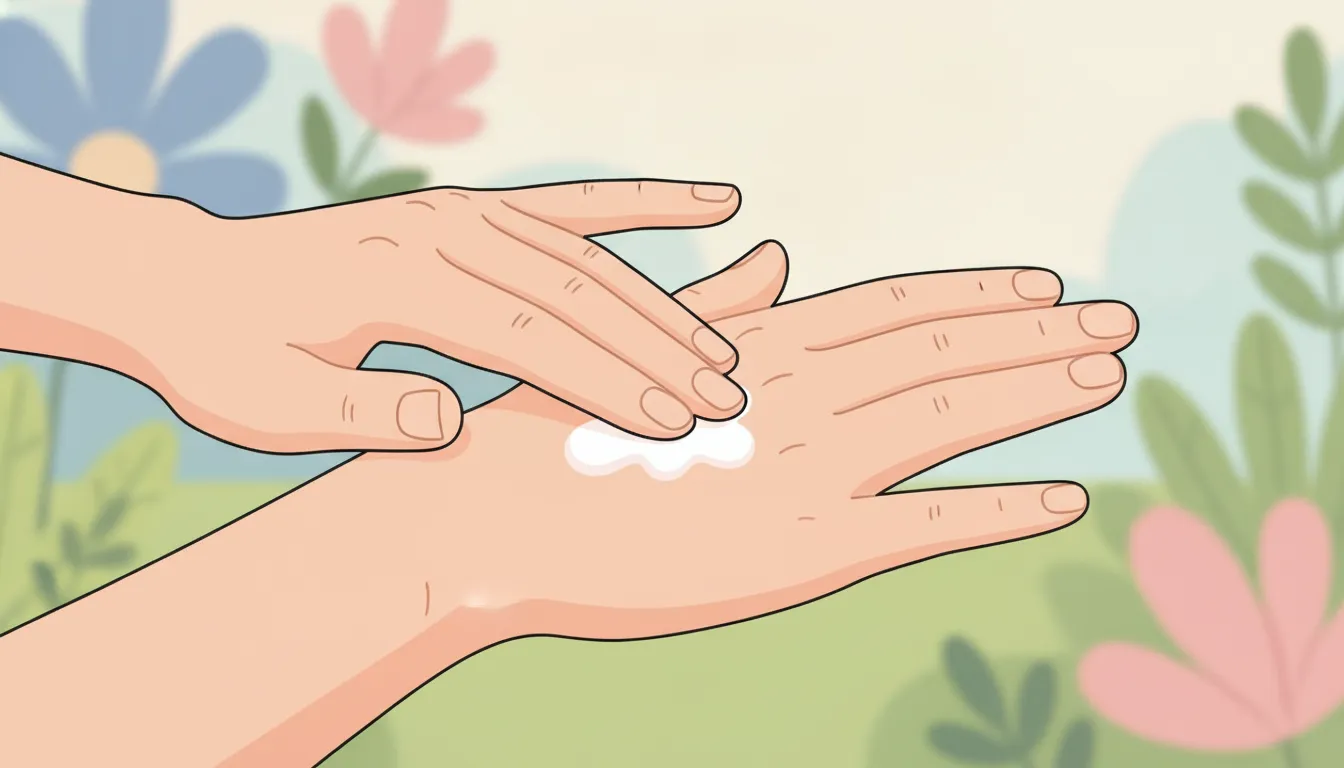
For a longer outdoor plan, build reapplication into the day before skin feels hot or uncomfortable. Pack sunscreen for a beach afternoon, tournament, field trip, or day spent walking between activities. Applying before exposure still matters: the CDC recommends applying sunscreen approximately 30 minutes before being in the sun, then applying it often throughout the day during extended outdoor work or activity.
A simple cue can make sunscreen habits for teens easier to remember:
- After swimming: Reapply once the teen is out of the water and has dried off.
- After strenuous exercise: Refresh sunscreen after practice, a workout, or any activity that leads to heavy perspiration.
- During extended outdoor plans: Keep sunscreen accessible and schedule a refresh alongside a water break, snack, or change of activity.
Reapplication is not a substitute for covering up. For longer plans, pair sunscreen with shade, a hat, and protective clothing when practical. Parents can help by placing sunscreen with sports or swim supplies, while teens choose a reminder that fits their routine. That small amount of planning turns reapplication from an interruption into a normal part of getting ready for the next activity.
Which Sunscreen Formula Fits a Teen's Routine?
The best formula is the one a teen can apply consistently and comfortably as part of the day. Bright Girl offers two mineral face sunscreen options, so families can choose based on finish, preferences, and the situations a teen encounters at school, during activities, or outdoors. For broader context on how mineral options differ from other sunscreen categories, read this guide to mineral versus chemical sunscreen.
| Option | What to know | Routine-fit considerations |
|---|---|---|
| Bright+Block SPF 44 Tinted Mineral Sunscreen | A tinted mineral sunscreen with a softly colored finish. | A practical choice when a teen prefers a tinted face product or wants sunscreen to feel more integrated into a getting-ready routine. |
| Bright+Block Sheer SPF 40 Mineral Sunscreen | A sheer mineral sunscreen designed for a less visibly tinted finish. | A natural fit when a teen prefers a simple, low-visibility layer for school, sports, or everyday plans. |
| Either option | Both are Bright Girl mineral sunscreen choices for the face. | Look for the product that your teen is willing to apply thoroughly to exposed skin and keep available for outdoor plans. Follow the product label, and reapply after swimming or strenuous exercise according to established sun-safety guidance. |
Parents can present the choice without turning it into a debate: tinted or sheer, depending on personal preference and the day's plans. A formula that feels appropriate for the teen's routine is easier to keep beside a toothbrush, in a sports bag, or with other daily essentials. That small amount of preparation can make sunscreen habits for teens more manageable and repeatable.
Whichever option a family selects, read the label and use sunscreen as one part of a broader approach that can include shade, protective clothing, and sunglasses. The CDC also recommends choosing broad-spectrum sunscreen and reading product labels: CDC sunscreen guidance.
How Can Parents and Teens Build Sun-Safe Habits Together?
The most sustainable family routine gives teens a voice in the details while making protection easy to remember. Instead of turning sunscreen into a daily argument, parents can connect it to plans already on the calendar: leaving for school. Heading to practice, packing for a beach day, or spending time outside at midday.
Start with shared planning. Check the local UV Index before an outdoor event, then agree on a simple approach for the day. If the index is 3 or higher, the CDC recommends protecting skin from too much sun. On a long outdoor day, a teen might choose the sunscreen they prefer. While a parent helps make sure the bag also includes a hat, sunglasses, and a lightweight layer.
Make shade and clothing part of the plan
Sunscreen does not have to carry the entire routine. Choosing a shaded table, sitting under an umbrella, or taking breaks beneath a tree can reduce direct exposure. The CDC recommends combining shade with sunscreen or protective clothing, even when the family is under cover. Tightly woven clothing offers stronger protection than loosely woven options, and a wet T-shirt provides less UV protection than a dry one, which matters after swimming.
Use school and sports cues
For school, keep the routine connected to practical moments, such as applying before leaving home or placing approved supplies with outdoor gear when permitted. For sports, use warmups, water breaks, and equipment checks as reminders to reassess coverage and seek shade when possible. Schools can help establish sun-safe behaviors that last, and classroom lessons plus outdoor-activity policies can support meaningful behavior change.
Keep the tone calm and collaborative. A history of sunburn during childhood or adolescence is associated with higher adult risk of basal cell carcinoma and melanoma, so building consistent habits now is worthwhile. For more seasonal planning, review this summer sunscreen guidance.
What Should a Teen Keep in a Sunscreen Kit?
A useful sunscreen kit makes the healthy choice easy on busy days. Pack the basics in a small pouch that can move from a school bag to a sports tote or weekend luggage.
A practical checklist
- Broad-spectrum sunscreen: Choose a product labeled broad-spectrum, check the SPF, and read the directions before use. The CDC recommends broad-spectrum protection against UVA and UVB rays and advises reading product labels. For more guidance, see what to look for in sunscreen.
- A reapplication reminder: Set a phone alert, use a sports practice cue, or connect reapplication with a water break. Sunscreen should be reapplied after swimming or strenuous exercise, and outdoor plans may call for applying it again throughout the day.
- Sun-protective extras: Add a hat, sunglasses that block both UVA and UVB rays, and a lightweight, tightly woven cover-up when practical. Shade is helpful, but it works best alongside sunscreen or protective clothing.
- A cool, convenient place: Keep the kit accessible, but follow the product label for storage. Check the container before packing and replace it when the label indicates it is no longer suitable for use.
For swimming or sweaty outdoor activities, review the label for water-resistance directions and reapply as instructed. The goal is not a complicated routine. It is a prepared kit, a clear reminder, and enough flexibility for school, sports, travel, and everyday plans.
Frequently Asked Questions
Should teens wear sunscreen every day?
Daily use makes sun protection easier to remember, including on cloudy or cool days when UV rays can still reach the skin. The CDC advises protecting exposed skin when the local UV Index is 3 or higher. Check the CDC sun-safety guidance when planning outdoor time.
When should a teen apply sunscreen before going outside?
Apply it about 30 minutes before sun exposure so the product has time to settle on the skin. Cover every exposed area, including the ears, neck, shoulders, and the backs of the legs. Reading the product label helps teens follow its directions.
How often should teens reapply sunscreen?
Reapply after swimming or strenuous exercise, and reapply during extended outdoor activities according to the product label. A teen who spends the afternoon at practice, by the pool, or at the beach should pack sunscreen rather than relying only on the morning application. See the CDC sunscreen recommendations for application and reapplication guidance.
What should families look for in a teen sunscreen?
Start with a broad-spectrum formula that protects against UVA and UVB rays, then choose a texture and format the teen can use consistently. For swimming or heavy sweating, check the label for water-resistance directions. Bright Girl offers a tinted SPF 44 mineral sunscreen and a sheer SPF 40 mineral sunscreen, giving families two practical facial options.
Ready to Make Daily Sun Care Easier?
A simple, repeatable routine can help teens feel prepared for school days, sports, and time outdoors, while giving parents a practical way to support consistent care. Explore age-appropriate mineral sunscreen options and choose products that fit your family's morning and outdoor habits.
