


Teen Skincare Routine with Sunscreen: Daily SPF Done Right
Building a simple three-step morning habit protects a teen's skin barrier from hidden sun damage every day. This simple step turns a boring chore into a powerful health habit.
A simple, doctor-backed teen skincare routine with sunscreen is the single best way to protect your young skin barrier and build healthy lifelong self-care habits. According to the American Academy of Dermatology, a healthy skin routine only needs three steps: a gentle cleanser, a daily moisturizer, and broad-spectrum sun protection. Mineral sunscreens with zinc oxide are the best choice for teens because physical blockers sit on top of the skin to reflect harmful light safely. These clean, non-toxic formulas are designed to protect sensitive young skin without soaking into pores, which prevents sore skin and annoying acne breakouts. Using this mineral barrier every morning shields your face against hidden sun damage while keeping your skin looking clear and feeling fresh all day.
Many teens wonder if they really need to apply sunscreen every single day, even when they stay indoors or when it is cloudy outside. To understand why daily sun safety is so vital, let us begin with why sunscreen belongs in every teen skincare routine.
Shop the Bright+Block tinted SPF 44 mineral sunscreen
Why Sunscreen Is the Non-Negotiable Step in a Teen Skincare Routine
Starting a teen skincare routine with sunscreen is the best choice you can make for your skin health. Many people think of sun care as a chore only for hot beach days. But shielding your skin from the sun is a daily need that starts when you are young. This simple step keeps your skin barrier safe and healthy as you grow.
Daily UV Protection
We face UV radiation every day of the year. These harmful rays pass through clouds and car windows, even when the sky is gray. This means sun protection is a daily habit you must follow, even when it is cloudy. Daily use is needed because UV rays cause photoaging, which can make skin wrinkly and loose over time. You cannot see or feel these rays, but they affect your skin whenever you are outside.
Skin experts agree that daily care is the key to healthy skin. This practice, known as photoprotection, is vital for your long-term wellness. Using sunscreen every morning is key for reducing skin damage. Skin cancer is a real concern, and most sun damage happens during our younger years. That is why applying SPF daily is not just about looks, but about protecting your health. It also lowers your risk of skin cancers later in life. By shielding your skin now, you prevent serious health issues in the future.
Preventing Skin Damage
For teens, consistency is the secret to strong skin. It is easy to skip sun care when you are in a rush. But daily use of sun protection during your teen years is a vital step. It shields you from harm that builds up over time. When you make this a habit, you build a protective shield that works all day long. If you want to learn how to fit this step into your morning, you can read about how to layer a skincare routine with sunscreen. Keeping your routine steady now will save you from major skin struggles down the road.
Building Lifelong Habits
Developing a skincare habit early is the best foundation you can build. When you apply sunscreen every day, you set yourself up for success. This simple habit protects your skin barrier and keeps it strong. The care you give your skin today creates the base for healthy adult skin. It is much easier to keep a good habit going than to start a new one later in life. Your future self will thank you for making sun care a daily choice right now.
Mineral or Chemical Sunscreen: Which Is Better for Young Skin?
Choosing the right daily defense is a key part of a mineral vs chemical sunscreen guide. For young people, finding a gentle product makes it easy to keep a daily teen skincare routine with sunscreen. The two main options on the market protect skin in two clear ways. Knowing how they work helps mothers and teens choose the best option for daily use. With a simple choice, you can protect your skin and build a healthy habit that lasts.
How Mineral and Chemical Sunscreens Work
To find the best path, it helps to look at how these products work. A mineral sunscreen acts as a physical block. This means the active ingredients sit on top of the skin. They work like tiny mirrors to reflect UV rays away from the body. In contrast, chemical sunscreens absorb UV rays and convert them to heat. A study on mineral sunscreens shows they are stable in the sun and do not break down. This makes physical SPF a safe and good choice for active kids. It gives strong protection during sports and long days.
Why Dermatologists Prefer Mineral SPF for Sensitive Skin
Many dermatologists prefer mineral options for teens because they do not irritate the skin. Chemical formulas use active filters that can absorb into skin and cause redness. In contrast, zinc oxide and titanium dioxide are gentle. They are less likely to cause irritation. Because of this, using physical filters is the best mineral sunscreen for teens strategy. They are highly stable under the sun, which makes them very safe. These gentle ingredients protect sensitive young skin without causing dry patches. You get safe protection with a very low risk of a skin rash.
Non-Comedogenic Sunscreen for Teen Acne
Teen skin is highly prone to breakouts, which makes choosing a sunscreen tricky. Many teens deal with acne, so clogging pores is a major concern. Heavy chemical formulas can trap sweat and oil in the skin. Young, active skin benefits from non-comedogenic sunscreen formulas. These products are made specifically not to clog skin pores. This helps keep skin clear while giving you the sun protection you need. It allows you to build a daily habit without fear of new breakouts.
| Feature | Mineral Sunscreen | Chemical Sunscreen |
|---|---|---|
| Typical Actives | Zinc oxide and titanium dioxide | Avobenzone, oxybenzone, and octisalate |
| How They Work | Sit on top of skin to reflect UV rays | Absorb UV rays and turn them into heat |
| Sensitive Skin Fit | Gentle, highly stable, and will not irritate | Can trigger skin redness or rash |
| Pore Clogging | Non-comedogenic options will not clog pores | Chemical filters can block active pores |
| White Cast and Tint | Can be sheer or tinted to blend with skin | Usually goes on clear but can feel greasy |
How to Build a Teen Skincare Routine with Sunscreen That Sticks
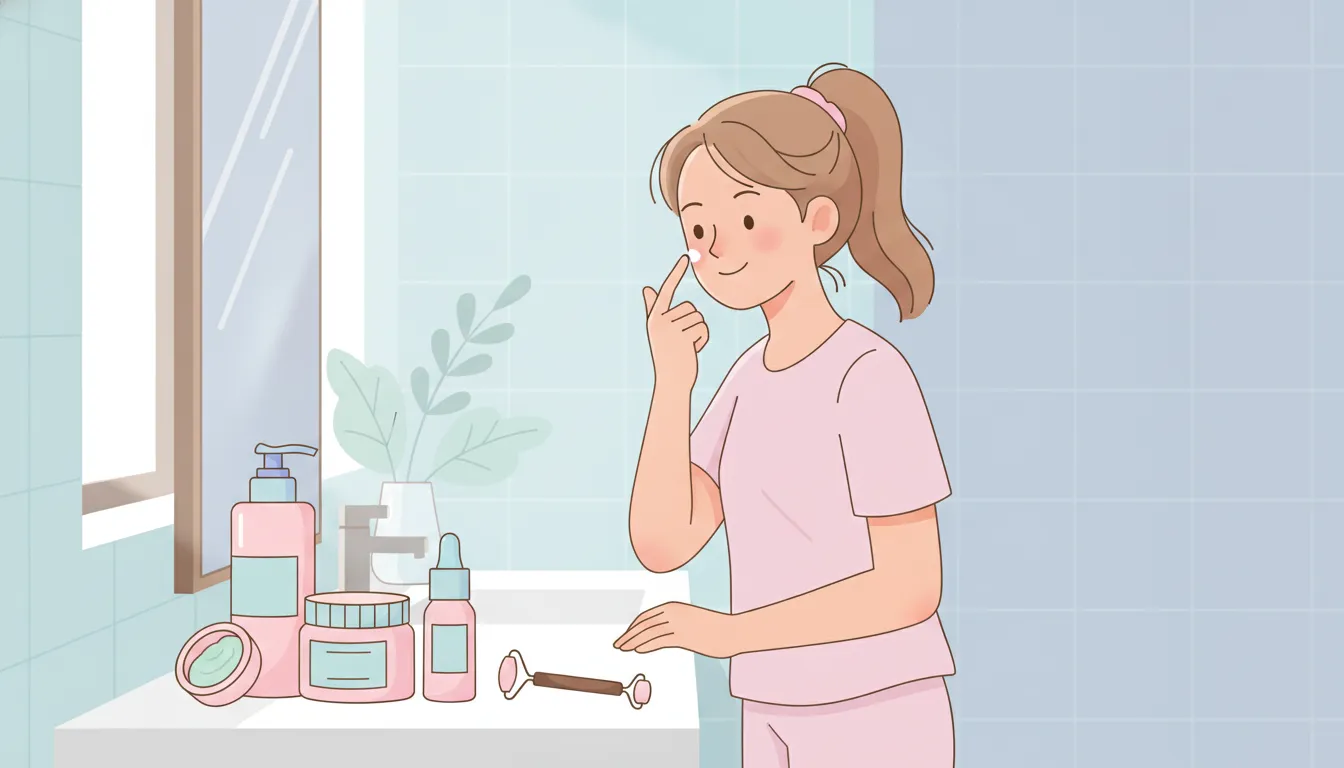
Building a healthy habit early sets up your skin for life. You do not need a complex routine with ten steps to get clear skin. In fact, a simple three-step routine of cleansing, moisturizing, and sun protection is effective for most teenagers. According to the American Academy of Dermatology, these steps keep skin clean, hydrated, and safe.
The core morning steps
To get the best results, you must follow the correct order every morning. Proper skin cleansing before sunscreen use helps ensure an even layer of protection. Always wash your face before you apply any other product.
- Cleanse. Wash your face first with a mild product like the Bright+Clean daily facial gel cleanser. This step removes dirt, sweat, and excess oil from your pores so your other products can work well.
- Moisturize. Apply a light moisturizer to damp skin to lock in water. A good face cream supports your skin barrier and keeps your face from feeling dry or tight during the day.
- Protect. Apply your daily sunscreen as the final step. Sunscreen should be the final step in a morning skincare routine, applied after moisturizer has been allowed to settle.
Dermatologist tips for proper use
Applying your sunscreen correctly is just as key as choosing the right product. You must use enough product to cover all exposed areas of your face and neck. Experts suggest using plenty of sunscreen on all skin not covered by clothing, using about one ounce for the entire body. This amount is about enough to fill a standard shot glass.
Timing also matters when you build your daily habit. Sunscreen should be applied at least 15 minutes before going outside to allow it to form a protective layer. This pause gives the sunscreen time to dry and bind to your skin. If you step straight into the sun, the product may rub off or fail to protect you. You can learn more about proper application from the American Academy of Dermatology guides on sun safety.
Choosing the right mineral formula
Finding a formula that feels good on your skin is the best way to make the habit stick. Many teens prefer mineral options because they are gentle on sensitive skin and do not cause breakouts. If you want a light, natural tint that helps even out your skin tone, try the Bright+Block tinted SPF 44 mineral sunscreen.
If you prefer a clear finish with no tint, the Sheer SPF 40 mineral sunscreen is a great choice for daily wear. Using a daily mineral sunscreen is vital for reducing skin damage and other long-term risks caused by UV radiation throughout your life. According to a study on photoprotection, early habit-building is the key to healthy adult skin.
What Should a Teen's PM Skincare Routine Look Like?
The Nighttime Skincare Habit
A great morning routine is only half of the battle. You also need to know how to layer a skincare routine with sunscreen, but at night, the focus changes. Keeping morning and night skincare routines steady is vital to support your skin barrier health. Indeed, consistent daily skincare habits throughout a person's life help reduce long-term skin damage.
At night, your skin does not need a shield from the sun, so you should never wear sunscreen to bed. Instead, the evening is when your skin rests and repairs itself. Keeping your nighttime routine simple and gentle helps your skin stay clean and clear.
How to Wash Away the Day
The first and most vital step of your evening routine is washing. During the day, dirt, oil, sweat, and outdoor pollution build up on your face. Your morning sunscreen also leaves a layer on your skin that must be cleared away, making a clean face at night a total must.
This is very true if you use mineral sunscreens that use zinc oxide or titanium dioxide. They are frequently advised for sensitive skin because they are less likely to cause irritation than chemical filters. While Dr. Angela Casey M.D. designed Bright+Block mineral sunscreens to protect without chemical filters, these physical blockers must be removed at night. Leaving sunscreen on overnight can lead to clogged pores and breakouts.
For a gentle mineral option that rinses away easily at night and feels light on young skin, the Bright+Block tinted SPF 44 delivers broad-spectrum protection with a natural finish.
Shop the Bright+Block tinted SPF 44 mineral sunscreen
To wash your face, use lukewarm water and a mild face wash while avoiding harsh scrubbing. Using a gentle option like the Bright+Clean daily facial gel cleanser removes dirt and oil without stripping your skin. Gently rub the gel onto your wet skin in small circles, then rinse well.
Hydrating and Caring for Teen Skin
After washing and patting your skin dry with a clean towel, the next step is hydration. A lightweight moisturizer helps lock in water and supports your skin barrier overnight. Look for a formula that is oil-free and non-comedogenic, meaning it will not clog your pores. Putting on moisturizer while your skin is still damp helps keep it soft and hydrated.
Cleansing at night is very vital if you have acne-prone skin. Teen skin prone to breakouts is helped by using a pore-friendly mineral sunscreen for teen skin during the day. But those protective layers must be washed away before you go to sleep. This night care routine helps your skin breathe and heal while you rest.
If you use a spot-care gel for blemishes, apply it after your moisturizer. Putting it only on active spots helps prevent dryness and irritation on the rest of your face. Keep your routine simple, as young skin rarely needs a complex, multi-step process. Taking care of your skin at night should be a peaceful, happy routine.
How Often Should Teens Reapply Sunscreen?
Many teens think that applying SPF once in the morning is enough for the whole day. But UV radiation is present even on cloudy days, making daily sun protection crucial for young skin. If you spend time outside, that morning layer will not last until the afternoon.
Reapplying every two hours
To keep your skin safe, you must reapply sunscreen at least every two hours. You should reapply even more often if you are swimming or sweating. This is the main rule for any safe teen skincare routine. Sunscreen breaks down over time under the sun, which leaves your skin open to UV damage.

You should also apply your first layer of sunscreen at least 15 minutes before you go outside. This gives the product enough time to form a protective layer on your skin. To get full protection, you must use a generous amount. Most people need about one ounce, or enough to fill a shot glass, to cover their entire body.
Outdoor play and sports
Active teens need to pay close attention to the clock during outdoor sports or swimming. Sweat and water wash away sunscreen, even if the label says the product is water-resistant. If you play sports, it is smart to choose a mineral sunscreen for active days that stays put during heavy play.
When you are sweating or swimming, do not wait the full two hours to reapply. Put more sunscreen on as soon as you dry off with a towel. Towel drying wipes the product right off your skin. Keeping a stick or tube of SPF in your sports bag makes it easy to reapply during half-time or water breaks.
Broader sun safety habits
Sunscreen is a powerful tool, but it works best when you combine it with other safe habits. Broad sun safety includes using sunscreens, clothing, hats, and sunglasses to shield your skin. Seeking shade during the middle of the day also helps reduce your overall UV exposure.
For daily wear, a gentle, dermatologist-created mineral sunscreen like Bright+Block fits easily into your routine. Learn how to layer a skincare routine with sunscreen to keep your skin protected all day. These formulas are non-toxic, pH-balanced, and simple to reapply. By reapplying every day, you protect your skin barrier and build healthy habits for life.
Top Teen Skincare Mistakes That Undermine Daily SPF
Skipping daily sunscreen on cloudy or indoor days
Many teens believe they only need sunscreen when the sun is bright. But UV rays can pass through clouds and glass to reach your skin. To learn the proper order of steps, you can read about how to layer a skincare routine with sunscreen. Skipping this step on cloudy days leaves your skin without defense. Daily use is the best way to build a healthy habit early.
Staying indoors does not mean you are safe from sun damage. Standard glass windows do not block UVA rays, which can age young skin and cause deep damage. Another common mistake is forgetting to reapply your SPF. You must put on more sunscreen every two hours when you are outside or active.
Over-exfoliating and layering harsh ingredients
Teens often use too many strong face washes or scrubs to fight spots. Over-exfoliating can strip away the natural oils that protect your skin. This weakens the skin barrier and makes it easy for sunscreen to irritate you. A gentle, non-toxic, and pH-balanced approach is much better for young skin. Choosing safe, mild products supports healthy skin barrier function so your SPF can do its job.
When the skin barrier is dry or cracked, chemical sunscreens can sting. For teens with sensitive skin, mineral-based sunscreens with zinc oxide or titanium dioxide are often a top choice. These physical blockers sit on top of the skin and are less likely to cause irritation. Using a gentle daily routine allows your skin to heal and stay strong.
Using pore-clogging products on acne-prone skin
Many teens fear that daily sunscreen will cause more breakouts. This fear often leads them to skip SPF. But skipping sun protection can make acne scars darker and last longer. The key is to find a formula that does not clog pores. Acne-prone skin benefits most from oil-free and non-comedogenic formulas that let skin breathe. A proper teen skincare routine with sunscreen does not have to feel like a chore.
A safe daily skincare routine for oily or acne-prone skin should follow a simple sequence to cleanse, treat, and protect. You should look for a light mineral sunscreen for teens that is made without heavy oils. Bright+Block mineral sunscreens give safe broad-spectrum protection without chemical filters that can cause redness. This helps you protect your skin while keeping it clear and smooth.
Ready to make daily SPF a dependable habit? Bright+Block mineral sunscreens are non-toxic, pH-balanced, and gentle on sensitive young skin, so your daughter can protect her skin every day without irritation.
Shop the Bright+Block Sheer SPF 40 mineral sunscreen
Frequently Asked Questions
What should a 14-year-old's skincare routine be?
A 14-year-old only needs three basic steps to keep skin healthy. According to the American Academy of Dermatology, a daily skincare routine needs a gentle cleanser, a moisturizer, and sunscreen. This simple plan helps the skin barrier and avoids harsh ingredients that can irritate young skin.
What order do you apply skincare and sunscreen?
You should always apply sunscreen as the last step of your morning routine. Put on your cleanser first, followed by moisturizer. Let the moisturizer sink in for a few minutes. Then, apply your sunscreen on top. According to the American Academy of Dermatology, this order ensures your sunscreen forms a solid shield that protects your skin from the sun.
How often do you need to reapply sunscreen?
Teens need to reapply sunscreen at least once every two hours when they are outdoors. If you are swimming, playing sports, or sweating, you should apply it even more often. Guidelines from the American Academy of Dermatology show that sunscreen wears off. Frequent reuse is key to keep your skin safe from UV rays.
Do teens need to wear sunscreen on cloudy days?
Yes, teens must wear sunscreen every single day, even when the sky is cloudy. Up to 80 percent of the sun's UV rays can pass through clouds and reach your skin. A study in the National Library of Medicine explains that daily sun care is essential to prevent damage. This habit keeps young skin safe year-round.
Build Your Teen Skincare Routine with Sunscreen Today
Making skin protection part of your morning is one of the most important habits a teen can build. A simple cleanser, moisturizer, and daily mineral sunscreen keep young skin calm, hydrated, and protected all year long. Start with a sunscreen that feels good on your skin, and the routine will be easy to keep.
For a natural-looking finish with a touch of coverage, choose the Bright+Block tinted SPF 44 mineral sunscreen. If you prefer a clear, weightless feel, the Bright+Block Sheer SPF 40 mineral sunscreen is a great everyday pick. Both are non-toxic, pH-balanced, and gentle for sensitive young skin.
Shop the Bright+Block tinted SPF 44 mineral sunscreen
Ready to make daily SPF a habit that sticks? Browse the full collection of dermatologist-created, non-toxic skincare for young skin and set up a routine your daughter will actually enjoy.
