


What Is Sebum? A Teen-Friendly Guide to Skin Oil
When a teen's skin looks shiny by midday, it can be tempting to think the goal is to remove every trace of oil. But sebum is a normal part of skin biology, not dirt. It is a natural oil made by sebaceous glands, and puberty can change how much the skin produces.
Explore the Bright Girl Core 4 routine
Sebum is an oily mixture made by sebaceous glands, usually near hair follicles. It helps lubricate skin and hair and may help reduce water loss from the skin surface. During puberty, androgen hormones can increase sebum production, but the amount varies from person to person. A balanced routine removes excess surface buildup without trying to make skin completely oil-free.
Understanding what this natural oil does makes skincare decisions less confusing. Gentle cleansing can remove sunscreen, sweat, and everyday residue, while comfortable hydration can help prevent a routine from feeling harsh or stripping. Here is what parents and teens should know about sebum, puberty, and age-appropriate care.
What Is Sebum, and Where Does It Come From?
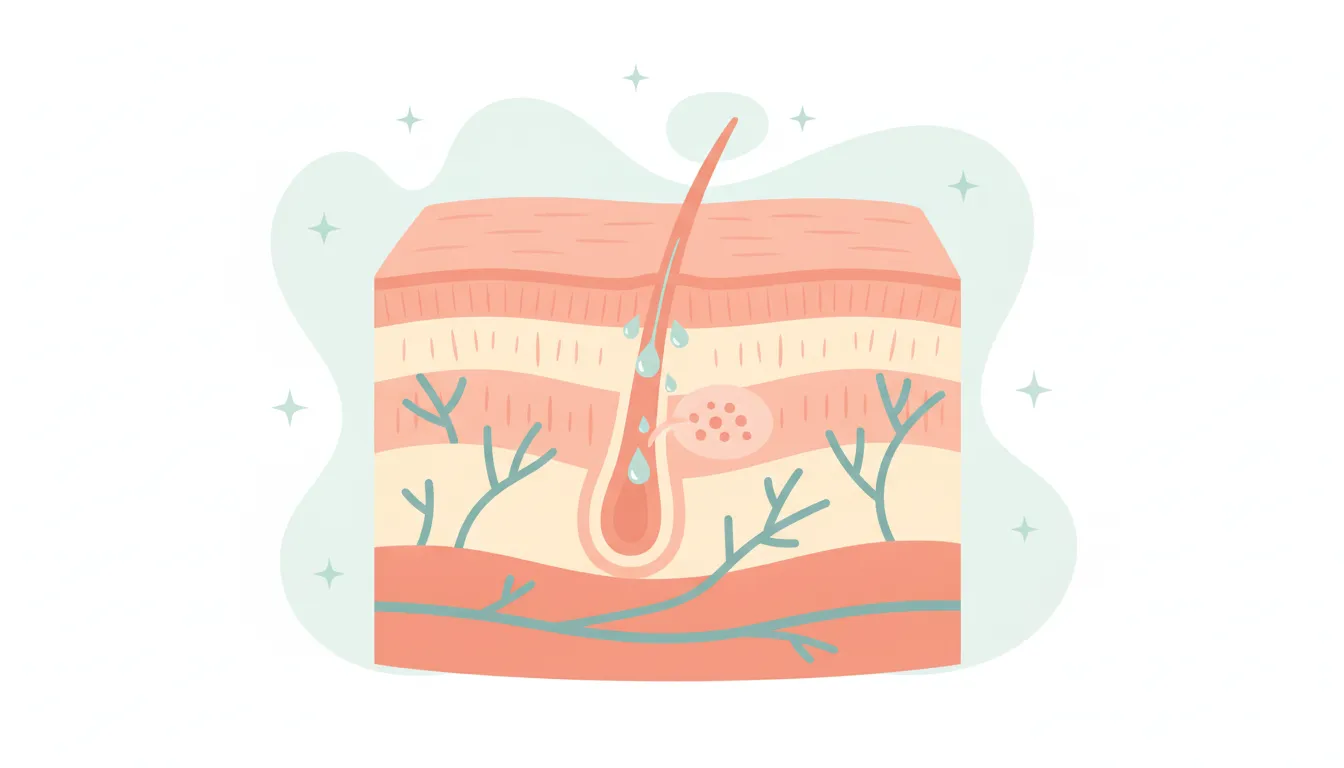
Sebum is a natural, oily substance produced by sebaceous glands. These tiny glands are usually connected to hair follicles and release oil onto the skin and hair. Sebum is not one single ingredient. It is a complex mixture of lipids, including triglycerides, fatty acids, wax esters, squalene, and cholesterol-related compounds.
Once it reaches the skin's surface, sebum mixes with sweat, shed skin cells, and material from the surrounding environment. That means the shine noticed on a forehead at the end of the day is not simply one substance in isolation. Gentle cleansing can lift excess surface material while allowing the skin to maintain a comfortable natural balance.
Sebaceous glands are found across most of the body, with especially high concentrations on the face and scalp. The forehead, nose, chin, and mid-back may look or feel oilier because of gland activity in those areas. Sebum can also spread along hair follicles, which is why oil may be noticeable in the hairline or scalp as well as on the face.
For a medically reviewed overview of sebum's structure and function, see DermNet's sebum explanation. Everyday shine does not mean that a young person is dirty or has done anything wrong.
What Does Sebum Do for Young Skin?
Sebum has several normal roles on the skin's surface. It helps lubricate skin and hair, contributes to the surface lipid environment, and may help reduce water loss. Keeping some natural oil is one reason skin does not need to feel squeaky-clean after every wash.
- Lubrication: Sebum helps skin and hair feel less dry and supports surface flexibility.
- Surface lipids: Sebum becomes part of the mixture of oils and other substances found on the outer skin.
- Water-loss support: Surface oils can help slow the movement of water away from the outer layer of skin.
- Normal skin function: Sebum is one part of healthy skin biology, alongside the skin barrier, sweat, and natural shedding.
These roles do not mean more sebum is always better, or that oiliness should be ignored when it is uncomfortable. They do mean that a routine should focus on balance rather than aggressive oil removal. Scrubbing, repeatedly washing, or using products that leave skin tight can make everyday care harder to follow.
Parents can help teens think about oil as a biological feature, not a hygiene failure. If oil changes are persistent, painful, rapidly worsening, or difficult to understand, a dermatologist or other qualified clinician can help determine an appropriate next step.
Why Does Sebum Increase During Puberty?
Puberty brings changes throughout the body, including changes in the skin's oil production. Androgen hormones can stimulate cells in the sebaceous glands, which may increase sebum production. The timing and amount vary by person, so there is no single age when every teen will notice more oil.
More noticeable sebum can make the forehead, nose, chin, or scalp feel different from childhood. It can also make skin look shiny after sports, hot weather, or time outdoors. Sweat and surface material mix with sebum, which may make the face feel especially slick after activity.
Hormones are not the only influence. Age, family patterns, climate, exercise, hair products, friction, and routine habits can affect how oil looks and feels. Two teens can have similar levels of shine but very different skin experiences. Avoid using oiliness alone to diagnose a skin concern.
Does more sebum automatically mean clogged pores?
Not necessarily. Extra oil can be one factor in the environment around a clogged pore, but it is not the only factor and does not determine what will happen for every person. Surface-cell shedding, product residue, friction, and individual biology can also play a role.
Oiliness is best used as a cue to observe and simplify, not as a reason to panic. A gentle cleanser, comfortable hydration, clean hands, and consistent product directions are a reasonable foundation. For more context on how oil can relate to common teen skin concerns, read Bright Girl's teen acne guide.

Can Skin Be Oily and Dehydrated at the Same Time?
Yes. Oily skin and dehydrated skin describe different features and can occur together. Oily skin relates mainly to sebum, the natural oil produced by sebaceous glands. Dehydrated skin relates to a lack of water in the skin's surface layers. A teen may notice shine while also feeling tightness, roughness, or discomfort after cleansing.
That combination is one reason harsh oil-control routines can be frustrating. A product may remove surface oil temporarily while leaving the skin feeling uncomfortable. Repeated washing or scrubbing can also make it harder to tell what the skin actually needs.
A more supportive approach is to use a gentle cleanser according to its label and consider a lightweight moisturizer when skin feels tight or dry. Hydration is not automatically the opposite of oily skin. The right routine depends on the finished formula, the person's skin feel, the directions, and consistent observation.
Shop Bright+Clean pH-balanced daily cleanser
How Can a Teen Support a Balanced Oil Routine?
A supportive routine does not aim to remove every trace of sebum. The practical goal is comfortable, consistent care that removes daily buildup without leaving young skin feeling stripped. Parents and teens can start with a few clear steps and add changes gradually.
- Cleanse gently. Use a cleanser designed to lift sunscreen, sweat, and everyday residue. Bright+Clean is described by Bright Girl as a pH-balanced daily gel cleanser for ages 8 and older. Use it according to the product label, and do not add extra washes simply because skin looks shiny.
- Use comfortable hydration. Skin can look oily and still feel dry or tight. Day+Bright is described as a 24-hour, pH-balanced, non-greasy daily moisturizer. Apply the amount directed or needed for comfort rather than layering several new products at once.
- Include daytime sun protection. Mineral sunscreen can be part of an age-appropriate daytime routine. Follow the product label for application and reapplication, especially during extended time outdoors. Sun protection is an everyday skin-health step, not a response to shine.
- Change one product at a time. Introducing several products together makes it difficult to identify what feels comfortable or what may be causing irritation. A simple routine is easier for a parent and teen to evaluate.
- Pay attention to comfort. Tightness, burning, marked itching, swelling, or a rapidly spreading rash are reasons to stop a new product and seek qualified guidance. Persistent or painful changes also deserve professional attention.
Bright Girl's skincare products are developed by double board-certified dermatologist Angela Casey, M.D. That dermatologist-created positioning supports an education-first approach, but no cosmetic formula can promise the same experience for every person. Choose products with clear directions and age guidance, and keep expectations realistic.
When Should a Family Ask a Dermatologist About Oiliness?
Everyday shine is often part of normal development, but a family does not need to guess when a concern feels unusual. Consider asking a dermatologist or another qualified clinician when oiliness is accompanied by persistent pain, rapidly worsening changes, significant redness, swelling, scaling, or symptoms that are difficult to describe.
Professional guidance can also be useful when a young person has a history of significant allergies, a diagnosed skin condition, or a reaction after trying a new product. Stop using a product that causes burning, marked itching, swelling, hives, blistering, or a rapidly spreading rash. Seek urgent medical help for facial swelling, trouble breathing, faintness, or other signs of a serious allergic reaction.
For routine questions, keep a list of current products and note when a change began. That information can help a clinician understand the pattern without relying on guesswork. Gentle skincare supports healthy habits, but it should not delay care for a concerning change.
Explore Bright Girl skincare for young skin
Frequently Asked Questions
Is sebum good or bad for skin?
Sebum is a normal part of skin biology. It is an oily mixture that helps lubricate skin and hair and may help reduce water loss from the surface. Oil is not the same as dirt. A balanced routine can remove excess buildup without trying to eliminate every trace of natural oil.
What causes more sebum during the teen years?
Androgen hormones can stimulate the sebaceous glands during puberty, so oil production may become more noticeable. The amount varies by person and can also be influenced by age, climate, exercise, and routine habits. More oil does not mean a teen has poor hygiene.
Should teens wash away sebum?
It is reasonable to cleanse away excess surface oil, sweat, sunscreen, and daily residue. Repeated scrubbing or harsh products are not necessary for a balanced routine and may leave skin feeling tight or uncomfortable. Follow the cleanser label and pay attention to how skin feels afterward.
Can oily skin still need moisturizer?
Yes. Oily-looking skin can still feel dehydrated or tight. A lightweight moisturizer can support comfortable hydration without making oil removal the only goal. Choose a formula based on its full ingredient list, directions, texture, and the young person's experience.
A Simple Way to Think About Sebum
Sebum is not a problem to erase. It is a normal oil made by the skin, and puberty can make it more noticeable. The most useful routine is usually the one that is gentle, age-appropriate, easy to follow, and attentive to comfort: cleanse, hydrate when needed, protect skin during the day, and ask a clinician about persistent or concerning changes.
