


Toner for Teens: When It Helps and How to Use It
Toner for Teens: When It Helps and How to Use It
Toner for teens can be a helpful optional step when it gently removes leftover residue and adds light hydration after cleansing. The best choice for young skin is pH-balanced, non-drying, and simple to use. Start slowly, stop if the skin feels uncomfortable, and remember that cleanser, moisturizer, and daily sunscreen still form the foundation of a healthy routine.
Explore Bright Tone Hydrating Toner for a gentle post-cleanse step.
Teen skincare can feel confusing because social feeds often turn every product into a must-have. Toner is not a requirement for everyone. Used thoughtfully, though, it can make a routine feel fresh and complete without adding an aggressive active. Bright Girl was created by double board-certified dermatologist Angela Casey, M.D. for young skin ages 8-24. Our approach starts with age-appropriate care, consistency, and a healthy skin barrier.
What does toner for teens do?
A gentle toner works between cleanser and moisturizer. It can lift away small amounts of residue, refresh the skin, and add a light layer of hydration without replacing any essential routine step.
Think of toner as an optional rinse cycle after washing your face. A cleanser does the main work of removing sweat, sunscreen, oil, and daily buildup. A well-formulated toner can catch what remains and help the skin feel comfortable before moisturizer. It should not leave the face tight, squeaky, or stinging.
It can remove leftover residue
After sports, makeup, or a long day, small traces of buildup may remain around the hairline, nose, and jaw. Applying toner gently can pick up that residue. This does not mean scrubbing. Light pressure is enough, whether the product is pressed in with clean hands or swept on with a soft cotton pad.
It can add light hydration
Hydrating toner can make freshly washed skin feel more comfortable. Ingredients such as aloe, chamomile, and marshmallow root are commonly chosen for their soothing, conditioning qualities. Bright Girl's hydrating toner is designed as a non-drying step for all skin types, including young skin that is still learning what it likes.
It can build a consistent habit
A routine only helps when it is easy enough to repeat. For some teens, toner creates a simple pause between cleansing and moisturizing. That pause can make it easier to notice whether the skin feels dry, oily, comfortable, or irritated before adding the next product.
Does every teen need toner?
No. Toner is optional, and many teens do well with only a gentle cleanser, moisturizer, and morning sunscreen. Add toner only when it solves a clear need without making the routine harder or the skin less comfortable.
A teen who is just beginning skincare should first establish a reliable basic routine. The simple skincare routine for teens explains how to build those core habits. Once those steps feel easy and the skin is comfortable, toner may be a useful addition.
- Consider toner when residue often remains after cleansing.
- Consider it when the skin would benefit from light post-cleanse hydration.
- Skip it when the current routine already feels comfortable and complete.
- Pause it when the skin feels tight, itchy, hot, or unusually dry.
- Ask a dermatologist about persistent discomfort or painful breakouts.
Keep the goal clear
Before buying a toner, ask what you want it to do. If the goal is removing heavy sunscreen, better cleansing habits may matter more. If the goal is reducing a tight feeling after washing, a gentler cleanser and moisturizer may deserve attention first. Toner works best as a supporting step, not as a shortcut around the basics.
Parents can help simplify the choice
Parents and teens can review the ingredient list together, choose one new product, and agree on a slow start. This turns skincare into a practical self-care habit rather than a race to copy a complicated routine. It also makes it easier to identify which product caused discomfort if the skin reacts.
How to choose a gentle toner for teens
Choose a pH-balanced, non-drying toner with a short and understandable purpose. Look for hydrating or soothing ingredients, avoid products that promise dramatic overnight changes, and select a formula made with young or sensitive skin in mind.
| What to check. | A gentle choice. | A reason to pause. |
|---|---|---|
| After-feel. | Comfortable and lightly hydrated. | Tight, hot, or stinging. |
| Routine role. | Refreshes after cleansing. | Promises to replace every other step. |
| Use frequency. | Easy to introduce slowly. | Requires frequent or aggressive use. |
| Ingredient approach. | Soothing and age-appropriate. | Too many strong actives at once. |
Look for barrier-supportive qualities
Young skin does not need a complicated lineup of strong ingredients. A formula that prioritizes hydration and comfort is easier to fit into a simple routine. Bright Girl's Beyond Clean Beauty approach focuses on non-toxic, pH-balanced products created specifically for ages 8-24.
Match the formula to the skin
Oily skin can still become dehydrated, while dry or sensitive skin may dislike unnecessary steps. Combination skin may feel different across the forehead, nose, and cheeks. The right toner should feel comfortable across the face rather than forcing the skin into one label.
Read the directions
More product is not better. Follow the label, use clean hands or a fresh cotton pad, and avoid piling several new products into the same week. A slow, simple approach gives the skin time to respond and helps the teen learn what works.

How should teens use toner gently?
Use toner after cleansing and before moisturizer. Begin two or three times a week, apply a small amount without rubbing, and increase only if the skin continues to feel comfortable.
- Wash gently. Cleanse with lukewarm water, then pat the face dry with a clean towel.
- Apply a small amount. Press toner into the skin with clean hands or lightly sweep it on with a soft cotton pad.
- Avoid sensitive areas. Keep toner away from the eyes and any scraped or uncomfortable skin.
- Let it settle. Wait briefly instead of layering the next product immediately.
- Add moisturizer. Follow with a comfortable daily moisturizer.
- Use sunscreen in the morning. Finish the daytime routine with broad-spectrum sun protection.
Patch test before full-face use
Try a small amount on a limited area and watch how the skin feels over the next day. A patch test cannot predict every reaction, but it can help reveal immediate discomfort before the product is used across the face. Introduce only one new item at a time.
Use a light touch
Cotton pads should glide, not drag. Pressing harder does not improve the toner. If repeated wiping leaves the skin pink or uncomfortable, switch to pressing the product in with clean hands or use it less often.
Pair a gentle toner with Bright+Clean Gel Facial Cleanser.
Common toner mistakes to avoid
The most common mistakes are using too much, applying toner too often, choosing a harsh formula, and expecting toner to do the job of an entire routine. Gentle consistency is more useful than intensity.
Using toner as a scrub
Toner is not an invitation to scrub away texture or oil. Friction can leave young skin uncomfortable. Use a small amount and gentle pressure. If the cotton pad still shows residue, review cleansing technique rather than repeatedly wiping the face.
Adding several new products at once
A new cleanser, toner, serum, and moisturizer introduced together make it difficult to understand the skin's response. Add one product, keep the rest of the routine stable, and give the new step time before making another change.
Skipping moisturizer or sunscreen
Toner cannot replace moisturizer, and it does not provide sun protection. After toner, use a moisturizer that supports hydration. In the morning, complete the routine with mineral sunscreen. Browse Bright Girl skincare products to build a routine around the essentials rather than unnecessary extras.
Following trends instead of the skin
A popular product is not automatically the right product for every teen. Pay attention to comfort, routine consistency, and clear goals. A shorter routine that feels good is often easier to maintain than a crowded shelf inspired by a trend.
Build a simple routine around toner
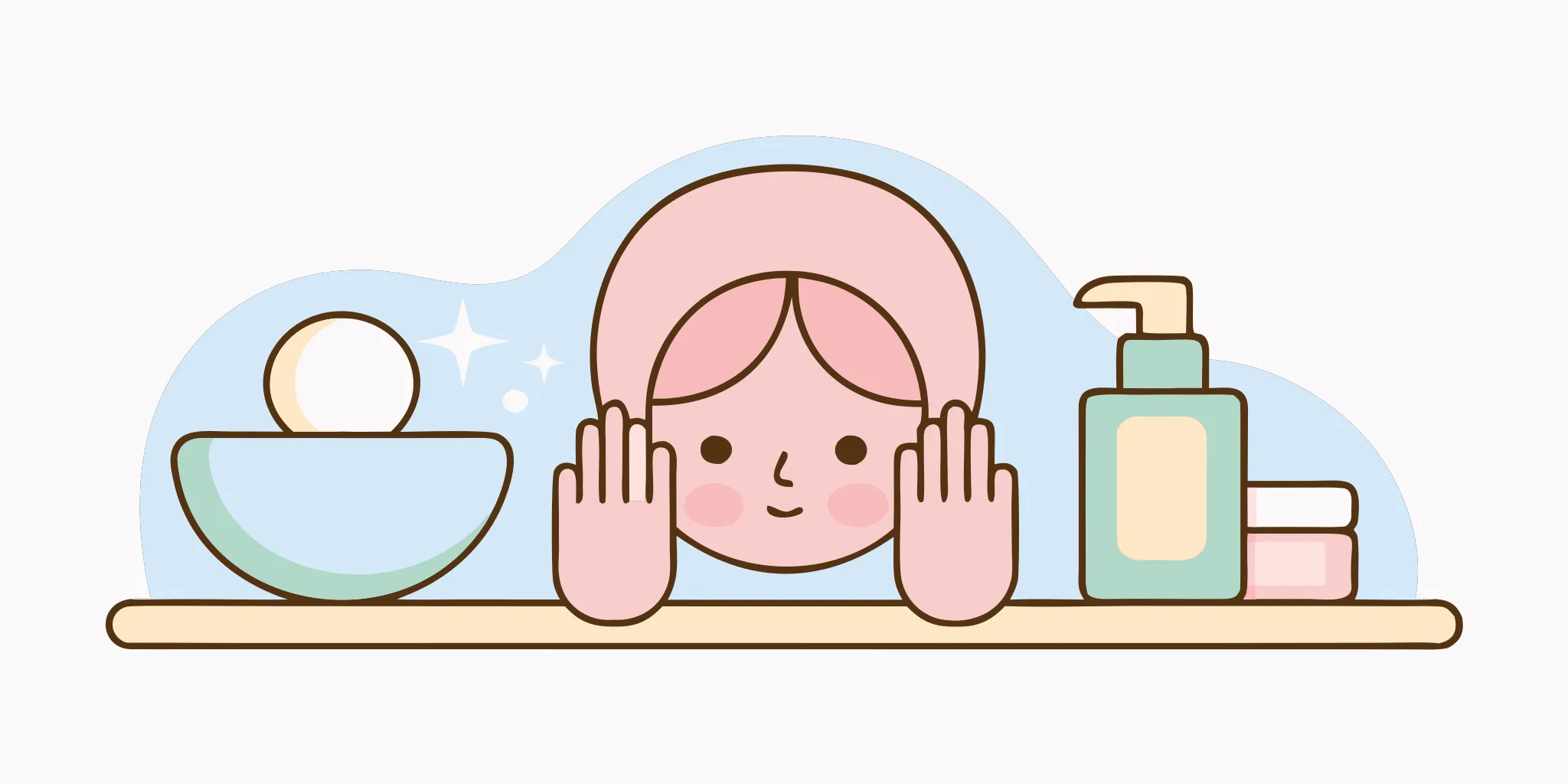
A teen routine with toner can stay simple: cleanse, apply toner if useful, moisturize, and use sunscreen each morning. At night, follow the same order without the sunscreen step.
| Routine. | Step 1. | Step 2. | Step 3. | Step 4. |
|---|---|---|---|---|
| Morning. | Gentle cleanse. | Optional toner. | Moisturizer. | Sunscreen. |
| Evening. | Gentle cleanse. | Optional toner. | Moisturizer. | Rest. |
| After sports. | Rinse or cleanse. | Optional toner. | Moisturizer if needed. | Sunscreen if outdoors. |
Start with cleansing
A gentle cleanser removes daily buildup without leaving skin feeling stripped. Bright+Clean Gel Facial Cleanser is pH-balanced and designed for ages 8+. Use lukewarm water and pat dry rather than rubbing with a towel.
Add toner only when it earns its place
The toner step should have a reason. Bright Tone Hydrating Toner is designed to act like a post-cleanse rinse cycle and features coconut oil, chamomile, aloe, and marshmallow root. Its non-drying approach helps it fit an age-appropriate routine without turning skincare into a long project.
Finish with hydration and protection
Day+Bright Facial Moisturizer offers a pH-balanced, non-greasy hydration step. In the morning, finish with broad-spectrum sunscreen. For more ideas on building the basics, read Bright Girl's guide to the best skincare for teens.
When should a teen ask a dermatologist?
Ask a dermatologist when discomfort persists, a product causes a strong reaction, breakouts are painful, or skin concerns affect daily confidence. Personalized guidance is more useful than repeatedly switching products.
A teen should stop using a new toner if the skin becomes uncomfortable. For a strong or ongoing reaction, seek guidance from a qualified healthcare professional. The Mayo Clinic's acne care guidance also advises protecting skin from irritating products and seeking medical help when self-care is not enough.
Bring the routine to the appointment
Write down each product used, how often it is applied, and when the concern began. Photos taken under consistent lighting can help show changes over time. Clear information gives a dermatologist a better picture than a long list of products tried without a plan.
Let expertise replace guesswork
Bright Girl began when dermatologist and mother Dr. Angela Casey wanted age-appropriate skincare for her own daughters and the young people she saw in practice. That perspective shapes a simple principle: young skin deserves products and habits made for its needs, not an adult routine copied from social media.
Frequently asked questions about toner for teens
Toner is an optional supporting step. These quick answers can help teens and parents decide when it makes sense, how often to use it, and what should come next.
Can toner help with teenage acne?
A gentle toner can remove residue and add hydration, but it is not an acne solution on its own. Keep the routine mild and consistent. Teens with ongoing, painful, or confidence-affecting breakouts should ask a dermatologist for personal guidance.
At what age can a teen start using toner?
There is no single required age. A teen can consider a gentle toner when cleansing alone leaves residue or when the skin would benefit from light hydration. Keep the routine simple and introduce one product at a time.
Should teens use toner every day?
Not necessarily. Start two or three times a week and watch how the skin responds. If the toner feels comfortable and useful, a teen may use it once daily after cleansing. Reduce use or pause if the skin feels uncomfortable.
Do teens put moisturizer on after toner?
Yes. After toner settles, apply a gentle moisturizer to support hydration and the skin barrier. In the morning, finish with broad-spectrum sunscreen. Toner complements these essentials but does not replace them.
Keep teen skincare gentle and easy to repeat
The best toner routine is the one that supports comfortable skin and fits easily into real life. Choose an age-appropriate formula, introduce it slowly, and keep cleanser, moisturizer, and sunscreen at the center. When toner has a clear purpose and feels good, it can become a useful part of a healthy self-care habit.
Shop Bright Girl's dermatologist-created skincare for young skin.
