


Skincare After Swimming for Tweens and Teens
Chlorine, salt water, sun, and repeated rinsing can leave young skin feeling tight after a pool day or swim practice. A gentle skincare after swimming routine helps tweens and teens wash away residue, replenish moisture, and protect exposed skin without adding unnecessary steps.
Shop Bright Girl skincare for a simple post-swim routine.
A proper skincare after swimming routine starts with rinsing off in fresh water as soon as you leave the pool or ocean. This step is vital because chlorine and salt water strip away the natural oils that protect your skin barrier. When these oils are gone, your skin can become dry, itchy, or even develop an irritant rash. According to the Cleveland Clinic, chlorine reactions are usually caused by chemical irritation rather than a true allergy. After rinsing, you should apply a gentle, unscented moisturizer while your skin is still damp to lock in hydration. Using non-toxic and pH-balanced products helps restore your skin's health without adding more harsh chemicals. By following these simple steps, you can support comfortable, hydrated skin even if you spend all summer at the pool.
It is common to feel a tight or scratchy sensation on your face and arms once you dry off. Many swimmers notice their skin feels rough after a day at the beach or pool. Understanding why skin feels dry after swimming makes it easier to choose a gentle routine.
Why does skin feel dry after swimming?
Swimming is a fun way to stay active and cool down. But many swimmers notice that their skin feels tight or itchy after they leave the pool. Using the right skincare after swimming helps you avoid this dry feeling. Pool water and the sun can both take a toll on your skin health.
How chlorine strips your skin
Most pools use chlorine to keep the water clean and safe. This chemical kills germs, but it also strips away your skin's own oils. These oils, called sebum, act like a shield to keep water inside. When chlorine removes this shield, your skin can become dry and sore. Even chlorine in salt water pools can lead to this scaly feeling.
Young skin is often thin and soft. This makes it easier for pool chemicals to cause a rash. If you have eczema or sensitive skin, the dry feeling might be even stronger. You might notice your skin looks red or feels rough right after you get out of the water.
The role of salt and sun
Salt water can also draw water out of your skin. This happens because salt pulls water from your cells into the ocean water. When you add sun and wind to the mix, the drying effect grows. The wind can sweep away any moisture while the sun adds heat. These factors work together to leave your skin feeling parched.
Athletes who spend a lot of time in the water face these issues every day. Using the right skincare for student athletes is a key way to keep your skin healthy. A simple routine helps fix the skin barrier after a long swim practice. This prevents the tight, itchy feeling from turning into a bigger problem.
When to ask for help
It is normal to feel a little dry after a swim. Most times, a quick rinse and some cream will fix the issue. However, you should watch for signs of a rash. A "chlorine rash" is often just your skin reacting to the pool water. It is not a true allergy, but it can still feel bad.
If your skin stays red or itchy for more than a day, talk to an adult or a doctor. They can help you find a gentle way to calm the skin. You can also look into post-practice skincare tips to learn more about guarding your skin. Starting a smart habit now will keep your skin glowing all summer long.
- Rinse off with fresh water for at least ten minutes right after you swim.
- Apply a gentle cream while your skin is still a bit damp.
- Use a mineral sunscreen to guard your skin from sun and wind.
- Drink plenty of water to keep your body and skin hydrated from the inside.
A gentle skincare after swimming routine
Chlorine and salt water are useful for keeping pools clean, but they can be harsh on young skin. These chemicals often strip away natural oils, which leaves the skin feeling dry, itchy, or tight. To keep your skin soft and healthy, you need a simple skincare for teens routine that you can do right after you hop out of the pool.
Rinse and wash promptly
The first step is to get those pool chemicals off your skin as fast as you can. Experts say that chlorine can strip natural oils from your skin and lead to irritation. A quick rinse helps, but using a mild wash is even better to fully clear the residue. This is a key part of any good skincare for student athletes who spend time in the water.
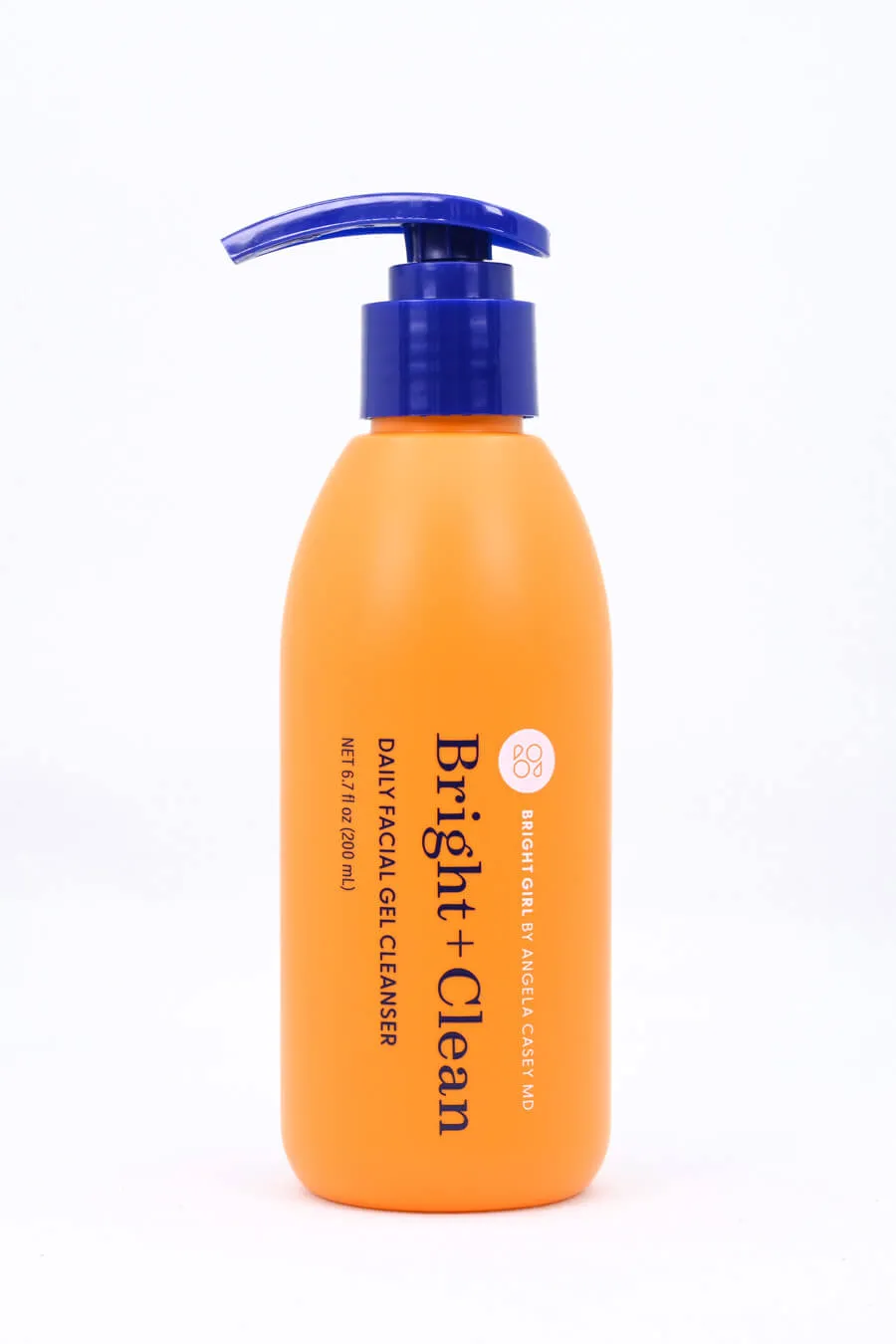
Use a product like Bright+Clean daily facial gel cleanser. It is made for a gentle cleanse after exposure to pool water, salt, sweat, and sunscreen. Avoid harsh soaps that can add to a dry or tight feeling.
Dry and moisturize well
After you wash, pat your skin dry with a clean towel. Do not rub, as rubbing can irritate skin that is already sensitive from the pool. While your skin is still a bit damp, apply a good face cream. Applying moisturizer to damp skin helps trap water in the skin barrier and stops the "scaly" feel that many swimmers get.
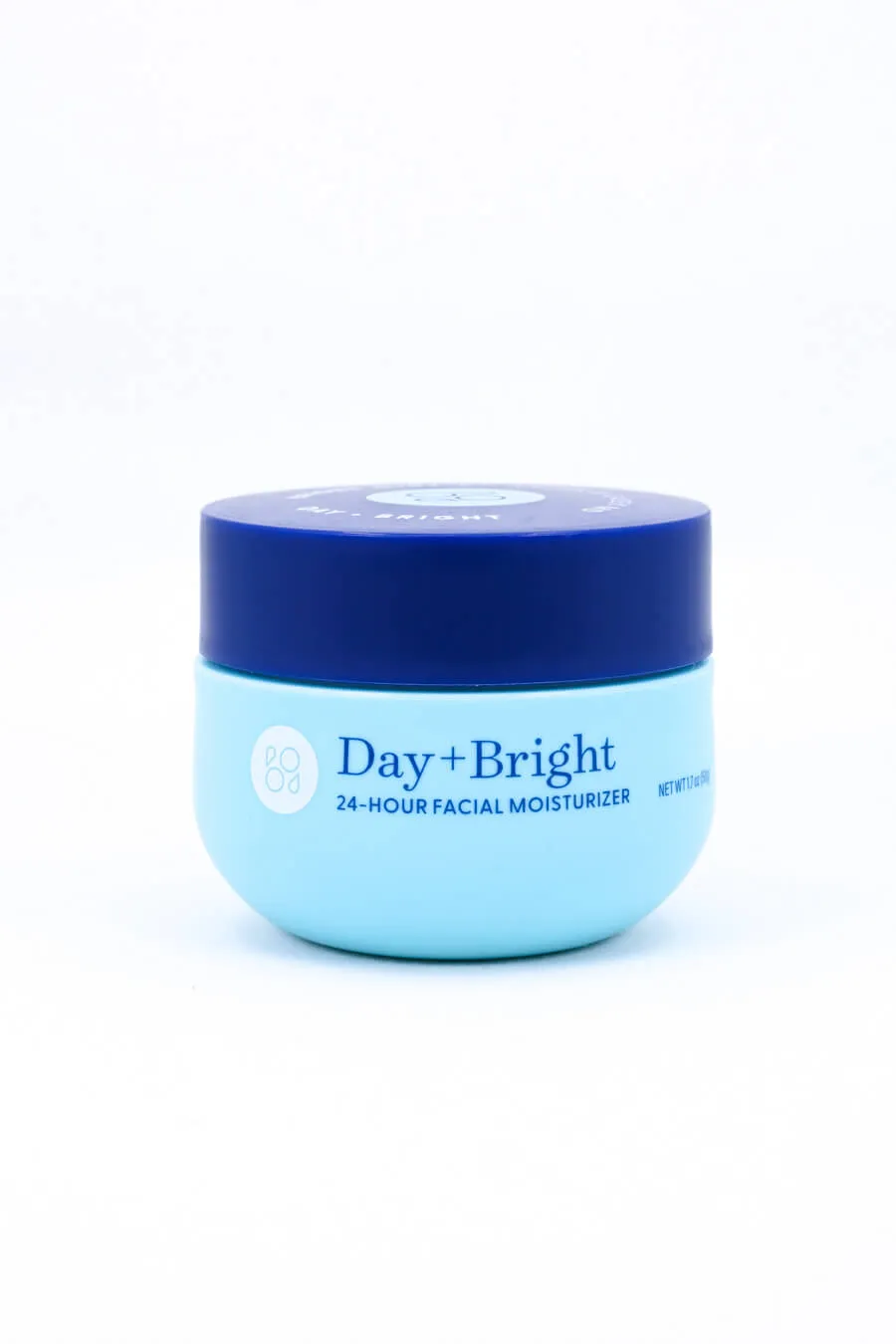
A formula like Day+Bright 24-hour facial moisturizer supports hydration after cleansing. Applying moisturizer while skin is still slightly damp helps support the skin barrier after a long swim.
Protect your skin outdoors
If you plan to head back out into the sun after your routine, you must reapply your sun protection. Sunscreen can lose its power after you swim or towel off, so a fresh layer is a must. Experts suggest you reapply sunscreen immediately after you get out of the water to keep your skin safe from UV rays.
- Step 1: Rinse off. Use fresh water to wash away salt or chlorine as soon as you exit the pool.
- Step 2: Cleanse gently. Use a pH-balanced wash like Bright+Clean to remove any leftover chemicals without stripping your skin.
- Step 3: Pat dry. Use a soft towel to gently dry your face without rubbing or tugging at the skin.
- Step 4: Hydrate. Apply Day+Bright moisturizer while your skin is still slightly damp to lock in moisture.
- Step 5: Protect. Finish with Bright+Block mineral sunscreen if you will be spending more time in the sun.
This routine is fast and easy to follow. By taking these few steps, you can enjoy your time in the water without worrying about dry or irritated skin later. For more tips on building a simple skincare routine, check out our guides for girls and teens.
Pool water vs. salt water: what changes?
Whether you swim in a pool or the ocean, the water affects your skin barrier. Both places can strip away the natural oils that keep your skin soft and healthy. This loss of oil often leads to dry, itchy skin or even a rash. Knowing how each type of water works helps you plan the best post-practice skincare steps to stay at ease.
The impact of chlorine in pools
Most pools use chlorine to kill germs and keep the water safe. While it does its job well, chlorine also takes away the oils that protect your skin. This can leave you with what some call "scaly mermaid" skin. People with eczema or tender skin may feel this more than others. In fact, a chlorine rash can sting the skin of children and teens easily. Even saltwater pools use some chlorine to stay clean, so your skin still needs care after a dip in those as well.
If you spend a lot of time in the pool, you might notice your skin feels tight or dry right after you get out. This happens because the pool water stays on your skin and keeps pulling moisture away. Rinsing off with fresh water as soon as you exit the pool is the first step. You want to wash away the pool water before it has a chance to cause redness or itching.
Salt water and your skin barrier
Each type of water needs a slightly different approach. Use this table to see what changes when you switch from the pool to the sea.
| Factor | Pool Water | Ocean Salt Water |
|---|---|---|
| Main Residue | Chlorine and chemicals | Salt crystals and sand |
| Rinse Priority | High to remove chemicals | High to remove grit and salt |
| Skin Feel | Tight and dry | Rough, gritty, and tight |
| Main Risk | Skin rash | Dryness and sun burn |
| Key Fix | Gentle wash and moisture | Full rinse and skin cream |
Packing your post-swim kit
No matter where you swim, your bag should have a few must-have items. Start with a gentle face wash to lift away salt or chlorine without making dryness worse. After you rinse, apply a thick layer of cream to damp skin. This locks in the water and keeps your skin soft all day long. A simple routine like this helps to keep your skin healthy and strong.
Do not forget to protect your skin from the sun as well. If you are swimming outside, a mineral sunscreen is often the best choice for young skin. It sits on top of the skin to block rays without causing more stings or itches. Keeping these simple tools in your bag makes it easy to stick to a healthy habit. Your skin will thank you for the extra care after every practice or beach day.
What should go in a young swimmer's skincare bag?
A small kit helps. When you have the right tools, you can care for your skin as soon as you dry off. Building a skincare for student athletes habit helps keep your skin soft and clear. This kit will help you deal with the drying effects of pool water and salt.
Cleansing and rinsing tools
Rinsing is key for skincare after swimming. You need to wash away pool chemicals like chlorine right away to stop them from staying on your skin. These salts can strip away the natural oils that protect your skin from the air. A quick rinse helps.
According to the Cleveland Clinic, chlorine often causes skin redness rather than a true rash. You should pack a mild wash for your face and body. Look for a soap-free choice that does not dry you out. This helps your skin stay safe.
A gentle gel wash can remove salt and pool water in a safe way. Avoid harsh soaps that make your skin feel tight or itchy after a shower. Keeping a clean face is a key part of post-practice skincare for teens.
Hydration and barrier support
Pool water can leave your skin feeling very dry. To fix this, you should use a rich cream while your skin is still a bit damp. Rubbing cream on wet skin helps lock in water and keeps your skin smooth. It feels good.
Using a plain choice for your face cream is best for young skin. It helps the skin stay strong even after a long day in the water. Your skin needs moisture from both the inside and the outside to look its best. This keeps you healthy.
Do not forget to drink plenty of water as well. Many swimmers feel less thirsty in the pool, but your body still needs to replace lost fluids. Keeping a large water bottle in your swim bag is vital. It stops the scaly skin that many athletes face.
Sun protection for outdoor swimmers
If you swim outside, you will need sun safety in your bag at all times. The sun can reflect off the water and burn your skin fast. A mineral sunscreen is a great choice for tender skin because it sits on top. Use it daily.
A tinted mineral sunscreen can protect you every day. Be sure to put it on again as soon as you dry off with a towel. A good swim bag also needs a few other basic items. It helps you stay on track.
A soft cotton towel is better for your skin than a rough one. You may also want to pack a hair tie to keep hair out of your face. These small things make it much easier to stick to your plan. You will feel fresh.
- A mild gel wash to clean the face and body.
- A thick cream to help with dry spots on the skin.
- Broad-spectrum mineral sunscreen for outdoor pools.
- A soft cotton towel to pat your skin dry.
- A bottle of water to stay hydrated from the inside.
- A clean hair tie or head band.
Common post-swim skincare mistakes to avoid
Riding the waves or doing laps is great for your body. But pool water can be tough on your skin. Many girls make simple errors after they get out of the water. These slips can leave your face feeling tight, dry, or itchy. Knowing what to avoid helps you keep a healthy glow.
Skipping the quick rinse
One big mistake is waiting too long to wash off. Chlorine and salt stay on your skin after you exit the pool. If they sit there, they strip away the real oils that keep your skin soft. A chlorine rash can even form if these chemicals stay on too long. This is why you should rinse your body right away.
Try to hit the shower as soon as you step out of the lane. A quick, cool rinse helps remove most of the pool chemicals. This stops them from sinking deep into your pores. It only takes a few minutes but makes a huge difference. Your skin will feel better if you act fast.
Harsh soaps and hot water
You might feel like you need to scrub hard to get clean. But your skin is more fragile after a swim. Using a rough towel or a harsh soap can cause tiny tears. This can lead to red spots or more dryness. It is best to be gentle with your face and body.
Avoid hot water in the shower. While it feels nice, hot water strips even more oil from your skin. Use lukewarm water instead. Pat your skin dry with a soft cloth. Do not rub or pull on it. Treating your skin with care helps it stay strong and clear.
Skipping moisture and sun care
Many people think their skin has enough water because it just came out of the pool. In fact, swimming is drying. Salt and pool chemicals pull water out of your cells. If you skip lotion, your skin might start to flake or itch. This is a key part of skincare for student athletes who are in the water often.
Apply a mild lotion while your skin is still a bit damp. This helps seal in the water so it stays in your skin. Choose a simple product without strong scents. This keeps your skin barrier safe and healthy. Keeping it simple is the best way to avoid a rash.
Make sure to put on more sunscreen once you are dry. A mineral cream is a smart choice for young skin. It sits on top of the skin to block UV rays. This helps prevent burns and keeps your face safe from the sun.
How can student swimmers keep a consistent routine?
Between team sports and school, young swimmers have very busy days. Spending a lot of time in the pool means your skin deals with harsh pool chemicals like chlorine or salt. These can make your face feel tight, dry, or itchy. To keep your skin healthy, you need a plan that is easy to follow every single day. A smart skincare for student athletes plan aims for quick steps. You can do these right at the pool or in the locker room.
Build a quick post-swim flow
One of the best habits you can start is rinsing off as soon as you get out of the water. Pool chemicals can stay on your skin long after your laps are done. You should rinse your skin right away to stop these from causing a rash. This simple step clears off the pool water and helps your skin feel fresh before you head to your next class.
After your rinse, use a mild wash to get rid of any extra salt or chlorine. A gel wash like Bright+Clean is a great choice because it cleans without being too harsh. Using a gentle wash is a key part of post-practice habits for any athlete. Keep your wash in your gym bag so you never miss a chance to care for your skin after a long swim.
Choose gentle and safe products
Swimming in a pool often strips the skin of its natural oils. This leads to dryness. According to the Cleveland Clinic, chlorine can make your skin feel very sore by taking away the oils that protect it. To fix this, you should apply a face cream while your skin is still a bit damp from your shower. This helps lock in the water and keeps your skin barrier strong and soft.
Pick a face cream that does not have a strong scent or harsh items in it. Using a plain product helps to calm your skin after a swim. This helps your skin stay healthy and soft all day long. Use the same products every time you swim. This helps your skin stay clear and happy even during the busiest parts of the swim season.
Get help for lasting skin issues
Sometimes, even good habits might not be enough if your skin stays very red or sore. Some pool chemicals can be extra hard on kids with sensitive skin. If you see a rash that does not go away with a simple wash and cream, it is time to take action. You should not try to fix a painful rash on your own.
Talk to your parents or a skin doctor if your skin feels very itchy or starts to peel. A pro can help you find out if you have a skin issue that needs more care. They can help you adjust your habits to make sure they work for your unique skin type. Getting the right advice early will help you spend more time in the pool and less time worrying about your skin.
How to adjust for dry or sensitive-feeling skin
Swimming is fun, but it can be hard on your skin. Chlorine and salt water strip away the oils your face needs to stay soft. Without these oils, your skin can feel dry, tight, or itchy. If you have sensitive skin, you may need extra care in your skincare after swimming to stay happy and comfortable.
Keep your routine simple
Do not use harsh soaps or scrubs when your skin feels dry. These can hurt your skin barrier. Instead, use a mild gel cleanser to wash away pool chemicals. A good post-swim wash should include:
- A ten-minute rinse in fresh water.
- A gentle face wash to clear the pores.
- A quick rinse for your hair and body.
Next, put on a plain moisturizer while your skin is still damp. This locks in water and stops your skin from feeling rough. For kids who play sports, a skincare for student athletes guide can help you build a quick habit. Salt water pools also have chlorine, so rinse off after the ocean too.
Watch for skin stress
Some people get a red or itchy rash after they swim. This is often just a sign of skin stress from pool chemicals. As the Cleveland Clinic says, this is called irritant dermatitis. It can show up a few minutes or a day after you get out of the water. If you do not wash well, the chemicals can keep bothering your skin.
If you have very dry skin, you may notice a scaly feel. This happens when pool water pulls too much moisture from your cells. You can use a mineral sunscreen before you swim to act as a shield. A simple skincare routine can help prevent this and keep your skin calm.
When to talk to an adult
Most dryness goes away with the right cream and lots of water. But sometimes, your skin needs more help. If you see deep cracks or a painful rash, tell an adult right away. They can help you find an expert to look at your skin and see what is wrong.
Seek help if your skin is oozing, crusting, or very itchy. A dermatologist can find the cause of these skin problems and give you a plan. For teens and tweens, building good habits now will lead to great skin for life. Always listen to your skin and give it rest after you swim.
Build a gentle swim-bag routine with Bright Girl.
Frequently Asked Questions
How do I take care of my skin after swimming?
You should start by rinsing your skin with fresh water for ten minutes to remove pool chemicals. Use a mild soap to wash away any leftover salt or chlorine. After you pat your skin dry, put on a plain lotion while your skin is still damp. This helps keep water in your skin and protects your skin barrier. Experts at Bright Girl say a simple routine is best for student swimmers.
Should I wash my skin immediately after swimming?
Yes, you should wash your skin right after you get out of the pool or ocean. Rinsing helps get rid of pool chemicals or salt that can cause an itch. According to the Cleveland Clinic, chlorine strips your skin of its natural oils. This can make your skin feel very dry and tight. A quick shower with a mild soap will help keep your skin healthy and stop skin problems from long stays in the water.
Why does my skin feel dry after swimming?
Pool water and salt pull the natural oils out of your skin. These oils keep your skin soft and smooth. When they are gone, your skin can get dry and itchy. This can also hurt the outer layer of your skin. The American Academy of Dermatology says that pool chemicals can be hard on the skin of kids and teens. Using a good face cream after you swim can help bring back the moisture you lost.
How can I remove chlorine smell from my skin after swimming?
To get rid of the pool smell, you must rinse your skin well with fresh water. Try to stay in the shower for ten minutes to wash the chemicals away. Use a gentle soap to help break down the chlorine without hurting your skin. Then, use a lotion to help soothe your skin. If you keep your skin wet and healthy, pool smells will not stick to you as easily during your next swim.
What ingredients support the skin barrier after swimming?
Look for ingredients that help skin hold onto water. Gentle cleansers and moisturizing face creams can support a simple post-swim routine. Products that are pH-balanced help support the skin barrier. According to Bright Girl, applying moisturizer soon after you rinse is a useful habit for dry-feeling skin.
Ready to build your post-swim skincare routine?
A repeatable routine makes post-swim care easier on busy practice days. Rinse promptly, cleanse gently, moisturize while skin is slightly damp, and reapply mineral sunscreen before heading outdoors again.
Shop Bright Girl skincare sets to build a gentle routine for young swimmers.
