


Face Wash for Tweens: A Gentle First Cleanser
Face Wash for Tweens: A Gentle First Cleanser
Most tweens need a face wash once sweat, sunscreen, and changing oil levels make water alone feel insufficient. The best first cleanser removes daily buildup while respecting young skin, so the face feels comfortable rather than tight, dry, or squeaky.
Explore Bright+Clean, a pH-balanced daily facial cleanser created for young skin ages 8+.
Face wash for tweens should be a mild wash that cleans the face without taking away its basic oils or hurting the soft young skin. Between the ages of nine and twelve, young skin makes more oil and gets larger pores, which leads to the first signs of shiny skin. To manage this safely, the American Academy of Dermatology says to use a gentle wash instead of harsh adult soaps. Choosing scent-free washes that will not clog pores ensures the skin stays healthy while taking off the sweat, dirt, and sunscreen each single day. This proactive approach helps tweens build self-care habits that keep their skin clear and comfortable as they continue to grow.
What makes a face wash for tweens gentle?
Finding a face wash for tweens that is truly gentle means looking past the bottle. Gentle means the mix cleans without causing harm. Tween skin changes fast between the ages of 9 and 12. You may see larger pores or shiny skin as the body grows. It can be tempting to reach for strong soap to fight oil. But harsh adult washes can strip young skin too much. This leads to red skin, dry patches, or even more oil.
A good wash works with the skin, not against it. It leaves the face soft and fresh. It should not feel tight or itchy after use. Focus on how a product acts on the skin. A gentle mix keeps the good germs that keep skin safe. This helps build healthy habits that last for years.
Protecting the skin barrier
Young skin has a thin outer layer called the skin barrier. This shield keeps moisture in and blocks out germs. Strong soaps can wear this layer down. If it breaks, skin gets dry or sore. This makes it easier for spots to start. Keeping this layer strong is key for young skin health.
As noted by the American Academy of Dermatology, a gentle daily cleanser is enough for most tweens. You do not need harsh tools or scrubs. The goal is to wash away sweat and dirt. A Bright+Clean gel facial cleanser keeps good oils in place. This helps skin stay soft. It also stops skin from getting too dry and oily.
Why pH balance matters
Skin has a pH level that helps it stay healthy. This level measures acid on the surface. Healthy skin stays between 5.0 and 5.5. Many plain soaps have a high pH. This can be too harsh for a tween's face and cause sore skin. Picking a wash with a balanced pH is needed to keep skin calm.
A balanced wash helps skin stay in its best state. It keeps the outer layer strong and working well. This stops bad germs from growing. Using a product that matches the skin's acid level avoids red or itchy skin. It makes the daily routine nice for a child.
Avoiding harsh ingredients
Adult face washes use strong scents, dyes, or thick oils. These can be too much for a tween. Look for a wash that is scent-free. Scents often cause skin rashes in kids. You should also avoid products with rough beads or harsh parts. These can cause small tears in the skin.
Gel or foaming washes are the best choice for this age. They are light and easy to rinse off. This makes it easy for kids to wash once or twice a day. A simple routine is best. Short lists of ingredients make sure the wash is safe for thin skin. This keeps the skin looking its best.
Start by understanding your tween's skin
Every tween has skin that is a bit different. Before you buy a face wash for tweens, you should know what type of skin your child has. Young skin changes fast as kids grow. These changes often start between ages 9 and 12. You might see more oil or the first few spots. Knowing the skin type helps you pick the right tools for a healthy routine.
Spotting normal and dry skin
Normal skin feels soft and looks clear. It does not have much shine or dry patches. This skin type has a good balance of oil and water. For these kids, a gentle daily facial cleanser is often all they need to stay fresh. It washes away dirt and sweat without making the skin feel tight or itchy.
Dry skin can feel rough or look flaky. It might feel tight after a bath or shower. This happens when the skin does not have enough oil to stay moist. If your tween has dry skin, look for a face wash that does not strip away natural oils. Harsh soaps can make the dryness worse. A mild wash helps keep the skin barrier strong and healthy.
Managing oily and combination skin
Oily skin often looks shiny or greasy, mostly by the end of the day. This shine comes from extra oil made by the skin. You may notice larger pores on the nose or chin. The American Academy of Dermatology notes that a gentle daily cleanser is enough for most young skin. Avoid harsh scrubs that can cause more oil to form. Too much scrubbing can trick the skin into making even more grease to protect itself.
Combination skin is a mix of types. Most kids with this type have an oily T-zone. This is the area across the forehead and down the nose. The cheeks might still feel normal or even dry. A balanced wash works well here because it cleans the oily spots while staying kind to the dry parts. Using a pH-balanced gel wash can help keep the whole face in a good state.
Caring for sensitive skin
Sensitive skin can get red or sting easily. It may react to new products or even the weather. Kids with sensitive skin need to take great care with what they use. Look for items that do not have strong scents or dyes. Fragrance is a common cause of skin upset in young children. You should find a wash that is made for sensitive faces to avoid any stinging or red marks.
Picking the right wash is a great first step. When kids use products made for their skin, they are more likely to stick with the habit. A simple routine of pH-balanced cleanser for young skin followed by a light cream keeps skin happy. Teaching your tween how to check their own skin helps them learn good self-care for life.
How to read a tween face wash label
Finding the right face wash for tweens starts with a close look at the back of the bottle. Labels can be hard to read, but they hold the keys to safe skin care. You want to find words that mean the product is mild and safe for young skin. A good label shows that the wash will clean without causing harm.
Look for gentle cleaners
Most big-brand soaps use harsh cleaners to cut through oil and dirt. For a tween, these can be too strong and may strip the skin of its own moisture. Instead, look for words like "mild" or "gentle." The American Academy of Dermatology suggests that most young people only need a mild soap to stay clean. These parts help remove sweat and dirt without making the skin feel tight or dry.
You should also look for things that add moisture back into the skin. Safe choices often include glycerin or aloe vera. These help keep the skin soft and healthy. When you check the list, look for shorter names you know. If the list is very long and full of complex words, it might not be the best choice for a first routine.
Avoid harsh extras
Many adult skin products have scents or colors to make them feel fancy. These can be bad for young girls. Fragrance is a common cause of red or itchy skin. It is best to choose products that are "fragrance-free." You should also check for "non-comedogenic" on the label. This long word just means the product will not clog pores. This is key because tween skin starts to produce more oil as they grow.
Avoid products made for mature skin or products that promise dramatic cosmetic changes. These often use strong acids or soaps that are too much for young skin. Some adult soaps have high levels of acids meant to fix old damage. Tween skin does not have those issues yet. Keeping the routine simple and safe is the best way to help your child build a good habit. You should stick with non-toxic choices that respect the skin's need for a light touch.
Check the pH level
The pH level is a measure of how acidic or basic a product is. Our skin has a pH of about 5.5. Using a soap that is too basic can break down the skin's top layer. This makes it easier for germs or dirt to get inside. A daily gel face wash should have a pH that matches the skin. Look for a label that says "pH-balanced" to ensure it is safe.
Products with the right pH help the skin stay strong and clear. If a wash makes the skin feel squeaky clean, it is likely too basic. That feeling often means the skin's own oils are gone. Healthy tween skin should feel soft and moist after a wash. Checking the pH is one of the best ways to pick a safe product for your daughter.
| Feature | Tween-Safe Formulas | Main Adult Cleansers |
|---|---|---|
| pH Balance | Matches skin (5.0 to 5.5) | Often very basic (8.0+) |
| Main Cleaners | Mild and soap-free | Harsh and stripping |
| Fragrance | Fragrance-free is best | Often has heavy scents |
| Active Acids | Low or no harsh acids | High levels of actives |
| Pores | Non-comedogenic | May have heavy oils |
| Skin Goal | Support and protect | Fix and change |
How should a tween wash their face?
Starting a skin care habit is a big step for any tween. It helps you take care of your body as it starts to change. Most young skin stays healthy with a basic plan that does not use harsh tools or strong soaps. The American Academy of Dermatology says a mild wash is enough for most kids. This daily habit keeps your skin clear and helps you feel great as you grow.
Finding the best time to wash
Most tweens should wash their face twice a day. A morning wash helps clear away oil and sweat that builds up while you sleep. The night wash is even more vital. It removes dirt and sunscreen from your day at school or sports. If you are very active, you may want to wash after a big game. Always choose a cleanser created for ages 8+ to avoid drying out your skin. Using a soap made for adults can strip away the oils your skin needs to stay soft.
It is best to keep your wash times short and easy. You do not need to scrub hard to get your skin clean. In fact, rubbing too hard can cause redness or tiny tears in the skin. A light touch is all you need to keep your pores clear. Focus on the parts that get oily, like your nose and forehead. This simple act helps stop pores from getting blocked before spots start to form.
Mastering the washing method
The way you wash matters as much as the soap you use. Using water that is too hot can hurt your skin and make it dry. Lukewarm water is the best choice because it helps the soap work well without causing harm. You also want to make sure your hands are clean before you touch your face. This prevents germs from moving from your fingers to your skin. Follow this simple path to get a clean, fresh face every single day.
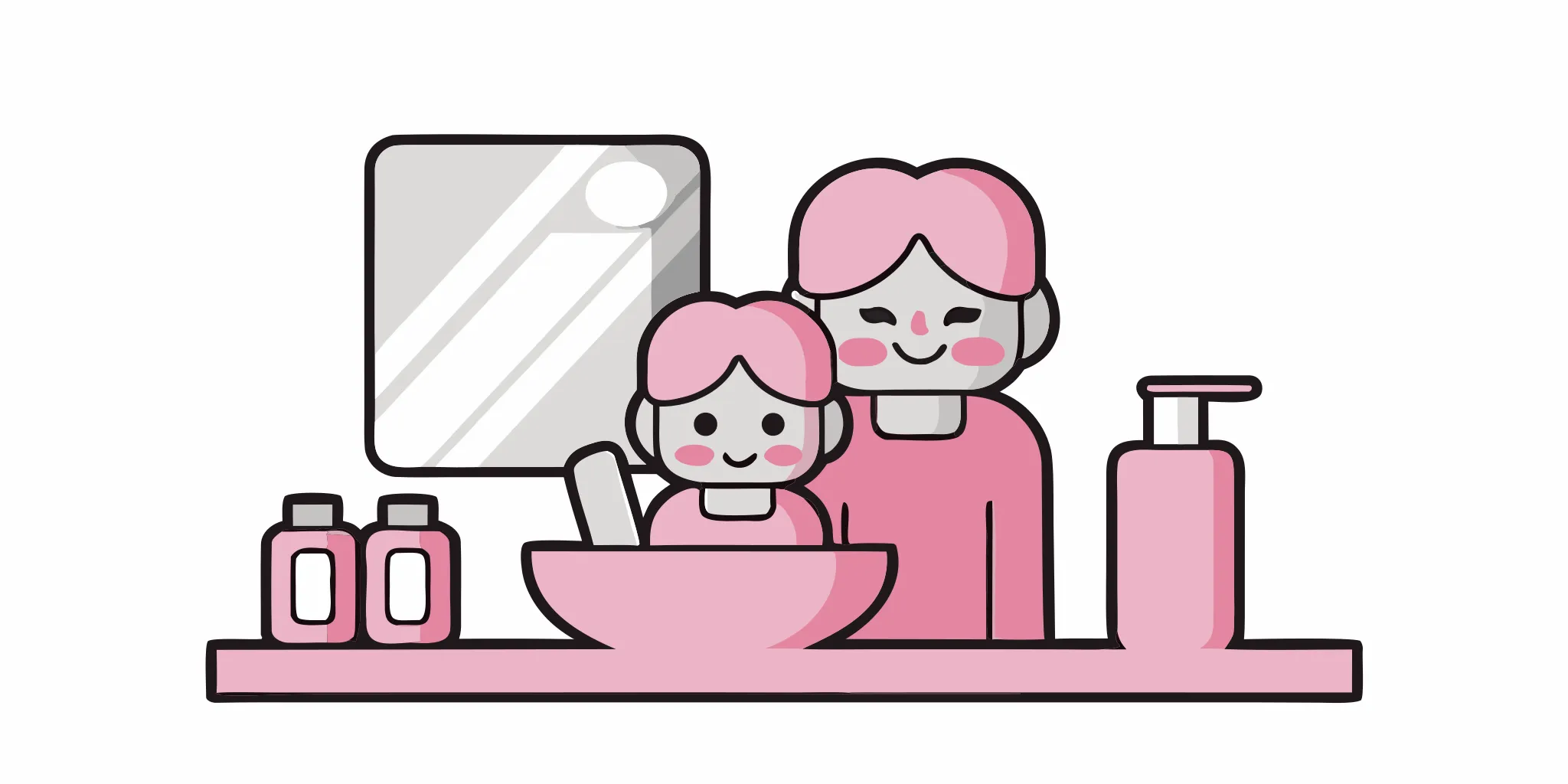
- Wet your face with lukewarm water to prep your skin for the wash.
- Place a small amount of cleanser on your clean fingers and rub them together.
- Massage the soap onto your face using soft, round motions for about half a minute.
- Rinse your skin with plenty of water until all the soap and dirt are gone.
- Use a clean, dry towel to pat your skin gently instead of rubbing it dry.
- Apply a light face cream or sunscreen to keep your skin safe and soft all day long.
Staying steady is the secret to seeing real results. It takes time for your skin to change and react to a new plan. You may need to wait up to eight weeks to see your skin look its best. If your skin feels tight or itchy, you might be washing too much or using too much soap. Listen to your skin and adjust your plan as needed. A simple routine is the easiest one to keep up with for years to come.
When you use a face wash for tweens, you are building a life-long habit. It is not just about how you look today, but how you care for yourself for the future. This brand was made by a skin doctor to be safe for young skin. By starting now, you give your skin the best chance to stay clear and healthy. Keep it simple, be gentle, and enjoy the glow of clean skin.
Build a simple routine around the cleanser
A good skincare habit does not need to be hard. For most young people, a basic three-step plan is enough to keep skin clear. This path helps keep the skin healthy without using too many products that might cause harm. Dr. Angela Casey is a dermatologist who made Bright Girl to give kids a safe start. Her goal was to make self-care a positive part of every day.
When you start a routine, remember that more is not always better. Using a lot of harsh items can dry out young skin. This might cause the skin to make even more oil to fix the dry feel. Instead, focus on a few high-quality steps that work well together. This builds a strong base for healthy skin as kids grow up. A simple plan is easier for a child to follow every day.
Start with a gentle wash
The first step in any plan is finding the right face wash for tweens. You should look for a gel that is pH-balanced and does not have harsh scents. This helps clean the skin without taking away the natural oils it needs to stay soft. A gentle daily cleanser is what most experts suggest to keep pores clear of dirt and sweat.
Using the wash is easy. Wet the face with warm water first. Use a small amount of gel and rub it in circles for about thirty seconds. Then, rinse it off with cool water. This simple act removes the oil that builds up during the day. It is a key step for kids who play sports or spend time outside. Clean skin feels fresh and ready for the next step.
Add moisture and sun protection
After washing, it is vital to lock in moisture. A light cream helps keep the skin barrier strong and healthy. This stops dryness and keeps the skin from feeling tight. Even oily skin needs a little bit of moisture to stay in balance. If you skip this step, the skin might get flaky or red. A good lotion makes the skin feel smooth and soft.
During the day, you must also use a mineral sunscreen. This protects the skin from the sun's rays. You can find all these steps in our skincare sets. These kits take the guesswork out of building a routine. They give you the right tools in one box. Using these items every morning helps protect the skin for the long term.
Make it a daily habit
Being steady is the secret to seeing real results. It is best to wash the face at least once a day, usually in the evening. This cleans away the day's grime before your head hits the pillow. In the morning, a quick splash of water or a light wash is enough. Staying steady with these steps is more important than using the most expensive items on the shelf.
It often takes about eight weeks of steady use to see true changes in the skin. Waiting is key when building a new habit. According to experts at the American Academy of Dermatology, skincare does not need to be costly to work well. Focus on products that are safe and easy to use. When a routine is simple, it is much easier for kids to keep doing it every single day.
How do you know if a tween cleanser is a good fit?
Finding the right face wash for tweens takes time and care. You and your child should watch how their skin feels after each wash. A good fit will make the skin feel clean but soft. It should not hurt or feel tight. Since most kids start to see skin changes around ages 9 to 12, starting a gentle routine now is a smart move. You and your child should work as a team to find the best choice.
Check for signs of dry skin
If a cleanser is too harsh, it can strip away the oils the skin needs. You might see red spots or dry, flaky patches. Some adult products are too strong for young skin and can lead to stings or burns. If the skin feels tight or itchy, the wash may be drying it out. This can even cause the skin to make more oil to make up for the loss. A gentle daily cleanser is often all a tween needs to stay fresh without causing harm.
Watch for these common signs
Keep a close eye on your child's skin for the first few weeks. If the cleanser is not a good match, you will likely see one of these signs:
- Redness or pink spots that do not go away.
- Small, white flakes or dry patches on the cheeks.
- A tight feeling that makes it hard to smile.
- New bumps that look like a rash.
Look at the skin texture
A good cleanser helps the skin stay smooth and clear. It should not cause new bumps or make the skin look dull. Tween skin is thin and needs a gentle daily facial cleanser that keeps its own pH level. A balanced pH of about 5.0 to 5.5 helps keep the skin's shield strong. If you see more oil or more spots after a few weeks, the product might not be the right choice. It is best to give a new wash about eight weeks to show real results.
Introduce the new routine slowly
Do not rush into a full routine on day one. Start by using the wash just once a day, usually at night. This helps remove dirt, sweat, and sunscreen from the day. If the skin looks good after a week, you can add a morning wash too. If you see any signs of a rash or peeling, stop using the product right away. Give the skin a few days to rest before you try a new brand. Keeping things calm and slow helps your tween build a habit they can stick with for years.
When to ask a doctor
Sometimes, a simple routine is not enough for every child. If your tween has deep spots that do not go away, it may be time for expert help. A dermatologist is a medical doctor who works on skin health and can give you a clear plan. They can tell you if a product is safe or if your child needs something else. Talking to a pro can save time and help your tween feel better about their skin.
Frequently Asked Questions
What is the best face wash for tweens?
The best face wash for tweens is a mild, scent-free cleanser that cleans without taking away natural oils. According to the American Academy of Dermatology, a gentle daily wash is enough for most young skin. Look for products with a pH balance between 5.0 and 5.5 to keep the skin barrier healthy and strong. Avoid harsh soaps or rough scrubs that can cause redness or pain.
When should a tween start using face wash?
Tweens should usually start using a face wash between ages 9 and 12 when puberty begins to change their skin. You may notice more oil, larger looking pores, or the first few pimples during this time. Starting a simple routine early helps build good habits. Using a gentle gel wash like Bright+Clean ensures their changing skin stays clean and hydrated without using harsh adult chemicals.
How often should tweens wash their face?
Most tweens only need to wash their face once or twice each day. Washing in the evening is the most important step because it removes dirt, sweat, and sunscreen from the day. If they have oily skin or play sports, a quick morning wash can also help. Always follow up with a light cream to keep the skin balanced. Too much washing can lead to dryness and might even cause the skin to make more oil.
What ingredients should parents avoid in tween face wash?
Parents should avoid harsh chemicals, strong scents, and high levels of acids in a first face wash. Adult products often contain items that are too strong for young, thin skin and may lead to peeling or pain. Stay away from items meant for older skin or those with rough beads. Instead, choose non-toxic formulas that focus on safety and skin health rather than quick fixes or harsh approaches.
Is it okay for a tween to use a face wash with salicylic acid?
Yes, but use it with care. Salicylic acid is generally safe for kids ages 10 and up if the amount is small, around 0.5% to 2%. It helps clear out pores for those dealing with breakouts. However, if their skin is not oily, a gentle wash is usually a better choice. For active acne, an Acne Care Kit made for young skin is often the most useful approach.
Ready to find the very best face wash for your child's skin?
A gentle first cleanser can make daily self-care feel manageable rather than complicated. Choose a simple formula, teach a light-touch washing method, and watch how your tween's skin responds. If their skin becomes persistently uncomfortable or develops concerning changes, ask a dermatologist for personalized guidance.
Ready to shop? Shop our full collection to shop gentle age-appropriate skincare.
