


What Is Marshmallow Root in Skincare?
If you have wondered what is marshmallow root in skincare, you are looking at a botanical ingredient sourced from the root of Althaea officinalis, a flowering plant. In a topical formula, marshmallow root is generally included as an extract or another prepared botanical ingredient. Parents may see it on a label alongside ingredients selected for hydration and a comfortable skin feel. The important distinction is that an ingredient can be interesting without being a guarantee of a particular result.
Explore Bright Tone Hydrating Toner
This guide explains what marshmallow root means on a skincare label, what the available research can and cannot tell us, and how to evaluate a finished formula for young skin ages 8 to 24. It is educational information, not individual medical advice.
What Is Marshmallow Root in Skincare?
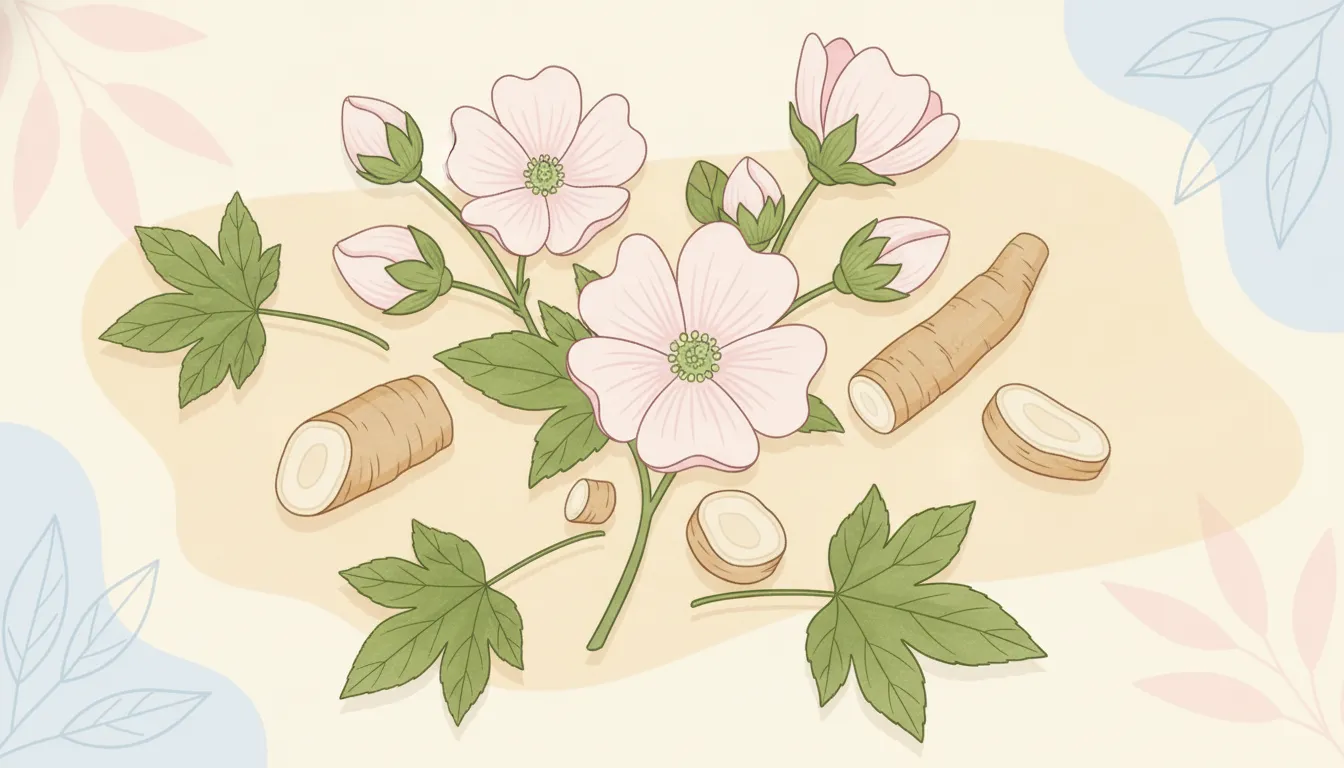
Marshmallow root is the underground part of Althaea officinalis. In skincare, it may appear in an ingredient list as marshmallow root extract or under a botanical name related to the plant. The extract is prepared for use in a cosmetic formula, so the final product is not the same thing as a homemade tea, powder, or supplement.
The root contains plant compounds, including mucilage, that have made it a subject of traditional use and cosmetic ingredient research. Mucilage is a water-loving material that can create a soft, coating feel. That helps explain why formulators may consider marshmallow root for products designed to feel comforting and hydrating.
However, the phrase "marshmallow root" does not describe a complete skincare experience by itself. The product base, concentration, preparation, packaging, preservation system, fragrance, and the rest of the ingredient list all matter. Two products can contain the same botanical and feel very different on the skin.
How Does Marshmallow Root Fit Into a Skincare Formula?
In a finished formula, marshmallow root is one ingredient among many. It may be paired with humectants, emollients, botanical extracts, or other ingredients that influence how the product spreads and feels. A parent evaluating a toner, cleanser, moisturizer, or mask should look at the whole formula rather than choosing based on one appealing ingredient name.
It is also useful to separate a formula's sensory role from a medical claim. A product may feel smooth, comfortable, or lightly hydrating without being appropriate for every person or every concern. Bright Girl's approach is to keep young-skin routines simple, pH-balanced, and age-appropriate rather than asking one ingredient to do everything.
Bright Tone Hydrating Toner is a relevant example for label literacy because its product page lists marshmallow root among its highlighted ingredients. The same page also describes the product as alcohol-free and pH-balanced. Those are product-level details to consider together; the presence of marshmallow root alone does not establish how the product will perform for an individual.
Parents can learn more about Bright Girl's ingredient philosophy on the Beyond Clean Beauty page, then compare that information with the complete ingredient list on the product page.
What Does the Research Say About Marshmallow Root for Skin?
Research on marshmallow root for skin is promising in some areas but should be read carefully. Studies may examine a particular extract, concentration, delivery system, or skin concern. Their findings do not automatically apply to every cosmetic product that lists marshmallow root.
For example, a 2021 double-blind randomized trial evaluated a topical Althaea officinalis extract in people with atopic eczema. That study is useful evidence that this botanical has been investigated in a topical context, but it does not prove that every marshmallow-root product will produce the same experience. It also does not replace guidance from a qualified clinician for persistent or concerning symptoms.
A separate pilot study examined topical marshmallow in children with atopic dermatitis. A small, specific study can help inform future research, but it is not a universal promise. Ingredient research is strongest when readers pay attention to the population, product used, study design, sample size, and outcome measured.
For a closer look at the evidence, see the peer-reviewed report in Clinical Phytoscience and the pilot study indexed by Phytotherapy Research. These sources can help families distinguish an ingredient being studied from a product claim that has been established for a specific formula.
See the full Bright Tone ingredient list
How Should Parents Read a Marshmallow Root Ingredient Claim?
A thoughtful label review starts with a few practical questions:
- What is the product designed to do? A toner, cleanser, moisturizer, and mask have different jobs and contact times.
- Where does the ingredient appear? The ingredient list gives more context than a front-label callout alone.
- What other ingredients are included? Fragrance, exfoliating ingredients, preservatives, and the base can affect the overall experience.
- Is the claim specific and modest? "Supports a comfortable, hydrated feel" is more responsible than a promise of universal results.
- Does the routine fit the child's age and skin? A dermatologist-created, age-appropriate routine is a better starting point than copying a complicated adult regimen.
Bright Girl products are formulated for young skin ages 8 and up, with the broader line serving young people through age 24. The brand was developed by double board-certified dermatologist Angela Casey, MD. Parents can review the Bright Girl collection to compare product roles, then choose only the steps that fit the routine.
When adding any new skincare product, introduce one change at a time. Follow the product directions, avoid applying multiple new products at once, and stop using a product if it causes persistent discomfort. A patch test may be useful for some people, but it is not a guarantee against a reaction. Families with a history of significant sensitivity should ask a healthcare professional for individualized guidance.
Where Does Marshmallow Root Fit in a Young-Skin Routine?
Marshmallow root does not need a separate step in a routine. If it is included in a toner or another product, use that product according to its directions. A simple routine often begins with gentle cleansing, continues with comfortable hydration, and adds mineral sun protection during daytime outdoor exposure.
For a parent deciding whether a marshmallow-root toner belongs in the routine, consider the product's purpose and the child's habits. A toner is optional, not a required step for every young person. If the product is used, apply it after cleansing and before moisturizer when directed by the label.
Bright Tone is positioned as a hydrating, pH-balanced toner for teens and lists marshmallow root among its highlighted ingredients. Parents should review the complete product information and ingredient list, consider current skin tolerance, and avoid assuming that a botanical ingredient will be the right choice for every person.
Routine consistency is more useful than ingredient collecting. A few well-matched products that a young person can use comfortably are usually easier to maintain than a long sequence of trend-driven steps. Bright Girl's Who Are Bright Girls? page offers more context on the young-skin audience the line is designed to serve.
What Should Families Remember About Marshmallow Root?
Marshmallow root is a botanical ingredient from Althaea officinalis that may be used in topical skincare formulas for its traditional and cosmetic interest. Research has explored topical preparations, including studies involving eczema, but the evidence is specific to the preparation and study design. It should not be turned into a promise about every product or every skin type.
The most useful next step is to read the full formula, understand the product's role, and choose a routine appropriate for young skin. If a child has ongoing irritation, pain, swelling, or another concern that does not improve with a simple routine, contact a dermatologist or qualified healthcare professional.
Shop age-appropriate Bright Girl skincare
Frequently Asked Questions
Is marshmallow root the same as the candy?
No. Skincare marshmallow root comes from Althaea officinalis, a flowering plant. It is unrelated to the confectionery product commonly called a marshmallow.
Is marshmallow root suitable for young skin?
A botanical ingredient is not automatically suitable for every person. Review the finished product, follow its directions, introduce one new product at a time, and stop if it causes persistent discomfort. Ask a dermatologist for individualized advice when skin is reactive or a concern continues.
Is marshmallow root a moisturizer?
Marshmallow root is an ingredient, not a complete moisturizer. It may be included in a formula designed to feel hydrating or comfortable, but the full product determines its role and performance.
Does Bright Tone contain marshmallow root?
Bright Tone's product page lists marshmallow root among its highlighted ingredients. Review the current product page and complete ingredient list for the most accurate formula information before choosing it for a routine.
Can marshmallow root replace sunscreen?
No. A botanical ingredient is not a substitute for a broad-spectrum sunscreen product, shade, protective clothing, or other sun-protection habits.
