


Teen Skincare Without Irritation: A Gentle Guide
How Can Teen Skincare Without Irritation Support a Comfortable Routine?
Teen skin can feel unpredictable. One day it seems oily, and the next it feels tight, itchy, or uncomfortable after cleansing. Puberty, weather, hot water, vigorous scrubbing, and too many strong products can stress skin that needs a steady routine.
Shop gentle skincare for teens
Teen skincare without irritation means choosing gentle, pH-balanced products, keeping cleansing simple, and supporting the skin barrier with comfortable hydration. Look for age-appropriate formulas and add new products gradually. Pause and reassess if burning or persistent stinging develops.
The goal is not the most complicated routine or the strongest formula. It is a consistent approach that respects what your skin is communicating. That approach can help you build healthy habits. First, let us look at everyday factors that can make teen skin more reactive.
Why Does Teen Skin Become Irritated So Easily?
Teen skin often becomes irritated because puberty-related oil changes can lead to over-cleansing, scrubbing, hot water, or stacking too many strong products. These habits can weaken comfort and hydration. A gentler routine starts by reducing friction and product overload while observing how the skin responds.
Puberty can change the way skin behaves from month to month. Hormonal shifts may increase oil production, making pores more prone to congestion and encouraging a stronger response to aggressive attempts at control. Johns Hopkins Medicine explains that puberty can increase oil production and make skin more prone to acne. The important distinction is that more oil does not mean skin needs harsher care. A routine that repeatedly strips, scrubs, or overloads the skin can create irritation alongside the original concern.
Why can too much cleansing make skin feel worse?
Washing more often may seem like the fastest way to manage shine, but over-cleansing can dry the skin and prompt it to produce more oil. The American Academy of Dermatology notes that washing your face too often can dry the skin and cause more oil production. That cycle can leave skin feeling tight after cleansing, oily later in the day, or uncomfortable when other products are applied. A gentle cleanse, used consistently, is usually a better starting point than repeated washing.
Scrubbing creates a similar problem. Brushes, rough towels, gritty scrubs, and persistent rubbing can add friction to already reactive skin. Scrubbing does not remove acne more effectively; according to the American Academy of Dermatology, it can irritate skin and make acne worse. Clean fingertips and a light touch are more appropriate for everyday care.
How can product stacking trigger irritation?
When a breakout appears, it is tempting to layer several acne-focused products and expect faster progress. Using multiple products at once can instead dry and irritate teen skin. The American Academy of Dermatology cautions that using more than one acne treatment at the same time can irritate the skin. If every new product is introduced together, it also becomes difficult to identify which one caused a reaction. Simple routines make it easier to observe how skin responds and adjust thoughtfully.
Which environmental conditions increase dryness?
Water temperature and weather matter, too. Hot water can strip protective lipids from the skin, while lukewarm water is a gentler choice. Johns Hopkins Medicine recommends avoiding hot water because it can make skin more vulnerable to irritation. Cold air and low humidity can also pull moisture from the skin and contribute to dryness and itchiness, especially during winter. Skin may therefore need a simpler, more supportive routine when the season changes.
Once you understand these triggers, product selection becomes less about choosing the strongest option and more about choosing formulas and habits that respect young skin. The next step is knowing what to look for when building teen skincare without irritation.
How Can You Choose Teen Skincare Without Irritation?
Choose teen skincare without irritation by prioritizing gentle, pH-balanced formulas, simple ingredient lists, age-appropriate design, and gradual introduction. Fragrance-free products may be a sensible starting point for sensitive skin. Patch testing and one-at-a-time changes make it easier to notice how a formula feels.
A thoughtful product label can make a routine easier to tolerate. Instead of choosing the strongest formula or adding several new products at once, look for a few signals that support gentle, age-appropriate care. This approach helps teens and parents make decisions based on skin needs rather than trends.
Fragrance deserves particular attention. Fragrance is one of the most common causes of contact dermatitis. So a fragrance-free option can be a sensible starting point for sensitive skin. "Fragrance-free" is different from "unscented," which may still include ingredients used to mask an odor. Read the ingredient panel when a reaction has occurred before, and introduce one new product at a time.
| What to look for | Why it matters | How to use it |
|---|---|---|
| Fragrance-free | Fragrance is a frequent contact dermatitis trigger and may be difficult for reactive skin to tolerate. | Choose fragrance-free cleanser and moisturizer first, especially when skin is sensitive. |
| pH-balanced | A mild, pH-balanced cleanser helps keep the skin's natural protective barrier intact. | Use a gentle cleanser with lukewarm water, then rinse without scrubbing. |
| Non-comedogenic | These products are formulated not to clog pores, which can be useful for acne-prone skin. | Use it as one selection signal, not a guarantee that every formula will suit every person. |
| Simple formula | Fewer unnecessary products and ingredients make it easier to identify what the skin likes or dislikes. | Start with cleanser, moisturizer, and daytime sun protection before considering extras. |
| Patch testing | Testing a small area can help identify a potential reaction before full-face application. | Apply a small amount to the inner arm as directed, observe the area, and stop if discomfort develops. |
| Age-appropriate design | Young skin may not need complex adult-oriented formulas or multiple strong actives. | Choose products made for young, sensitive skin and build a consistent routine gradually. |
Explore Bright Girl's gentle skincare collection
"Non-comedogenic" can be helpful when pores clog easily, but it should not replace attention to comfort. A product that meets one label standard may still feel drying or sting on a particular person's skin. The same principle applies to pH-balanced cleansing: it supports the barrier, but gentle technique and reasonable frequency matter too.
For a proactive overview of label decisions and common irritants, see the ingredients to avoid in teen skincare. That resource covers ingredients in more detail; here, the focus is on choosing a manageable routine before irritation starts. Patch testing is especially useful when introducing a new cleanser, moisturizer, sunscreen, or mask. If a product causes persistent burning, swelling, or a worsening reaction, stop using it and ask a parent or healthcare professional for guidance.
What Helps Support a Healthy Skin Barrier?
Support the skin barrier with lukewarm water, low-friction cleansing, comfortable moisturizer, and steady daily sun protection. Avoid routines that leave the face tight, raw, or burning. Consistency matters more than adding multiple steps, especially when teen skin is already dry or reactive.
The skin barrier is the outermost layer of skin. It acts as a shield against external stressors while helping the skin hold on to water. When that barrier is supported, a routine is more likely to feel comfortable and consistent. When it is repeatedly stripped or challenged, even familiar products may feel less comfortable.
Start with cleansing that respects the skin's natural balance. Use lukewarm water rather than hot water, and massage a gentle cleanser over the face with clean fingertips. There is no need to scrub, use a rough cloth, or wash repeatedly until the skin feels tight. That tight sensation is not a measure of cleanliness. It can be a sign that the routine is removing more of the skin's protective oils than necessary. A mild, pH-balanced cleanser can help keep the skin's natural protective barrier intact, according to the American Academy of Dermatology's skincare guidance.
After cleansing, add hydration while the skin is still slightly damp. A moisturizer helps improve hydration and barrier function, and consistent use can support barrier resilience over time. The right texture depends on the individual. Some teens prefer a lightweight lotion, while others need a richer cream during dry weather. Parents and teens can focus on how the product feels and how the skin responds, rather than adding several new products at once.
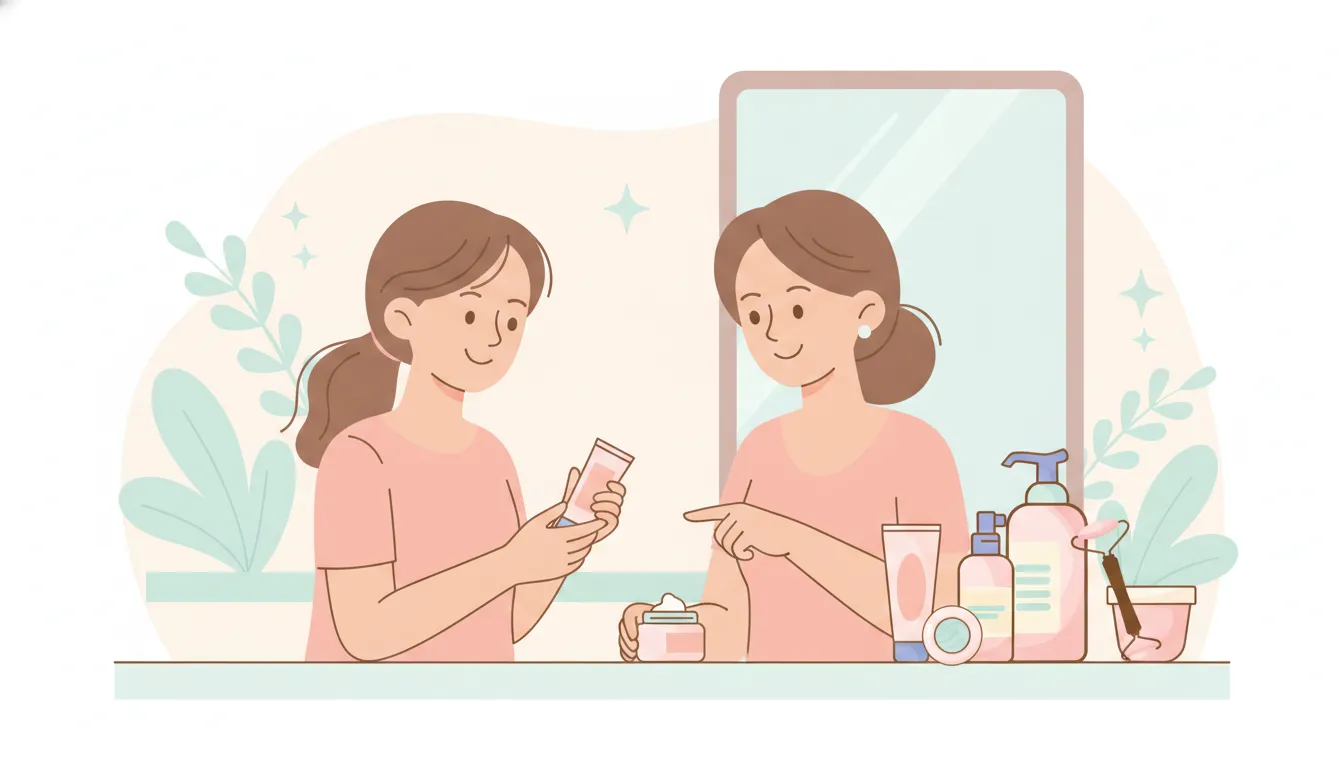
Keep the rest of the routine equally measured. Choose products made for young, sensitive skin, and introduce changes one at a time. If the face feels dry after cleansing, apply moisturizer more consistently before considering another active step. If weather is cold or dry, the skin may need extra hydration and a simpler routine. A dependable moisturizer can support the barrier's ability to retain water and help shield skin from everyday irritants. The NCBI Bookshelf overview of moisturizers describes their role in improving both skin hydration and barrier function.
Pay attention to early stop signals. Burning or stinging after applying a product is a reason to stop using that product, not a cue to apply more or push through discomfort. Sudden redness, unusual dryness, or worsening sensitivity also deserves attention. Return to a short routine with gentle cleansing and moisturizer, and involve a parent or dermatologist if discomfort continues. The American Academy of Dermatology's dermatologist skincare guide recommends stopping a product immediately when it burns or stings.
Healthy barrier support is not about finding the strongest formula. It is about making thoughtful choices, maintaining hydration, and giving the skin enough consistency to stay comfortable.
What Is a Simple Routine for Ages 13 to 19?
For ages 13 to 19, a simple routine usually includes gentle cleansing, moisturizer, and broad-spectrum mineral SPF in the morning, followed by gentle cleansing and moisturizer at night. Add optional products one at a time, and simplify again if dryness, redness, burning, or stinging appears.
A simple routine works best when each step has a clear purpose and the skin has time to adjust. For ages 13 to 19, the goal is steady cleansing, comfortable hydration, daily mineral sun protection, and restraint with exfoliation. A routine does not need to feel aggressive to be effective. In fact, the American Academy of Dermatology notes that consistency matters more than product strength when managing teenage acne. Read the dermatologist-approved teen skincare routine for a focused starting point, then adjust based on how the skin feels.
- Start the morning with a gentle cleanse. Wash with lukewarm water and a mild cleanser, using clean fingertips rather than a scrub, brush, or washcloth. Bright+Clean can be a suitable option for a straightforward morning cleanse. If the skin feels tight afterward, use less product, shorten the wash, or cleanse with water alone in the morning and save the cleanser for the evening. Avoid hot water, which can strip protective lipids and leave skin more vulnerable to discomfort. Johns Hopkins Medicine recommends lukewarm water when washing skin.
- Apply moisturizer while skin is slightly damp. Use a comfortable layer of Day+Bright to help maintain hydration before moving to sun protection. A moisturizer should leave skin supple, not greasy or coated. If the face feels dry during the day, add a small amount to the dry areas rather than repeatedly washing. Choosing a simple moisturizer also helps keep the routine manageable for teens and parents.
- Finish with broad-spectrum mineral SPF every morning. Apply Bright+Block mineral SPF as the final morning skincare step, including on days spent mostly near windows or outside for short periods. The American Academy of Dermatology identifies sunscreen as an essential part of a daily routine. Johns Hopkins Medicine recommends broad-spectrum sunscreen every day to protect against UVA and UVB rays. Reapply according to the product directions when outdoors, sweating, or swimming.
- Cleanse gently again in the evening. Remove sunscreen and makeup with the same low-friction approach. One careful cleanse is usually preferable to repeated washing. Pat the face dry with a clean towel, then apply Day+Bright while the skin still feels comfortable. If a new product is being introduced, add only one change at a time so it is easier to notice how the skin responds.
- Keep exfoliation occasional, if the skin tolerates it. Exfoliation is not a required daily step. If it is part of the routine, use it sparingly and follow the product directions. The AAD advises that exfoliation should be done sparingly, especially for sensitive skin. Skip it when the face feels dry, raw, red, or uncomfortable. Do not combine it with several other strong acne-focused products without guidance.
- Use a calming mask as an optional evening step. Calm+Bright can be reserved for occasional self-care when the routine needs a soothing, unhurried moment. It should complement cleansing and moisturizing, not replace either one. If the skin is already irritated, simplify to cleansing, moisturizer, and SPF instead. For more guidance, explore this soothing face mask for irritated teen skin.
How can you troubleshoot the routine?
If skin becomes suddenly dry, red, or uncomfortable, pause the newest product first and return to the simplest comfortable routine. Burning or stinging is a reason to stop that product, not a signal to apply more or wash harder. If irritation continues, involve a parent or guardian and ask a dermatologist for personalized guidance. Keep the routine consistent for several weeks rather than switching products every few days. When you are ready to compare options, browse the Bright Girl skincare collection for age-appropriate products designed around gentle, supportive care.
When Should You Simplify the Routine or Ask for Help?
Simplify the routine when skin burns, stings, becomes unusually red, flakes, swells, or feels persistently uncomfortable. Ask a parent, caregiver, or dermatologist for guidance when symptoms are painful, spreading, recurring, or severe. Significant swelling, blistering, hives, or breathing symptoms need prompt medical attention.
A gentle routine should feel comfortable while you use it. Burning, stinging, sudden redness, or a noticeable wave of dryness is not a sign that a product is doing extra work. It is a reason to pause and reassess. The American Academy of Dermatology advises stopping a product immediately if it burns or stings after application. Recognizing these early irritation signals can help prevent a minor reaction from becoming more difficult to manage.
Start by simplifying. Stop any product you added recently, especially an exfoliant, mask, acne-focused product, or fragranced formula. Do not introduce another new product to counteract the reaction. For the next few days, keep the routine basic: cleanse gently with lukewarm water, use a moisturizer that feels comfortable, and protect exposed skin from the sun. If even a familiar product stings, pause it too and ask a parent or caregiver to help you decide what to do next.
Which signs mean you should pause a new product?
Pay attention to changes that appear soon after a product is applied or after several products are layered together. Redness, itching, tightness, flaking, warmth, or persistent discomfort all deserve a closer look. Wash off a product if it causes a strong reaction, and avoid rubbing or scrubbing the area. Keep the container or take a photo of its ingredient list so a parent and dermatologist can review what was used. Reintroduce products one at a time only after the skin feels settled and a qualified professional agrees it is appropriate.
When should a parent or dermatologist be involved?
Ask a parent or caregiver for help when irritation is painful, keeps returning, spreads, or does not improve after simplifying the routine. Seek prompt medical guidance for significant swelling, blistering, oozing, hives, or symptoms involving the eyes, lips, or breathing. A dermatologist can assess the pattern, consider factors beyond skincare, and recommend an age-appropriate plan. Persistent redness, dryness, itching, or breakouts should not be self-diagnosed from online posts, since similar-looking symptoms can have different causes.
Parents can make this easier by asking what changed, when the symptoms began, and which products were used. Teens can bring that information to an appointment rather than feeling expected to solve the problem alone. Bright Girl's Our Story explains the brand's dermatologist-created approach, but no brand page can replace personalized medical advice when skin symptoms persist.
Choose gentle products for your routine
Frequently Asked Questions
What is the best skincare for teenagers with sensitive skin?
Choose a simple routine with a mild, fragrance-free cleanser, a moisturizer that supports hydration, and daily sunscreen. Introduce one new product at a time, and patch test it on a small area before applying it to the face. Fragrance is a common cause of contact dermatitis, according to the NCBI Bookshelf.
What are some gentle skincare products for teenagers?
Look for age-appropriate products with a gentle, pH-balanced cleanser, a lightweight moisturizer, and non-comedogenic formulas if clogged pores are a concern. Keep the routine consistent rather than layering several strong products at once. A pH-balanced cleanser helps keep the skin's natural protective barrier intact, notes the American Academy of Dermatology.
What skincare brands are safe for teens?
There is no single brand that suits every teen. Look for transparent ingredient information, age-appropriate formulation, dermatologist-developed guidance, and clear directions for use. A brand should make it easy to choose gentle products and should avoid encouraging complicated routines or aggressive product stacking.
What should a 14-year-old use for skincare?
A practical starting point is a gentle cleanser, moisturizer, and broad-spectrum sunscreen in the morning, with cleansing and moisturizing again at night. Add other products only for a clear purpose and with guidance from a parent or dermatologist. The American Academy of Dermatology recommends daily sunscreen as part of basic skin care.
How can you respond to irritation on teen skin?
Pause newly added or active products, cleanse gently with lukewarm water, and use a plain moisturizer that supports the barrier. If a product burns or stings, stop using it immediately. Persistent, severe, or worsening discomfort deserves a conversation with a parent and a dermatologist, especially if swelling, spreading redness, or significant pain develops.
Shop a simple routine for young skin
Get Started With a Gentler Routine
A simple routine can support comfortable, balanced-looking skin without adding unnecessary steps.
Bright Girl offers dermatologist-created skincare designed with young skin in mind, including gentle daily essentials and mineral sun protection. Explore the collection to find products that fit your skin's needs, then introduce new items gradually and keep the routine consistent.
