


Skincare Products for Self Confidence: A Parent Guide
When a teen asks for skincare, the most helpful starting point is not a promise about appearance. It is a calm conversation about comfort, clear ingredients, manageable habits, and how much choice they want in the process. Parents can offer guidance while leaving room for personal preferences and growing independence.
Explore Bright Girl skincare for young skin
The best skincare products for self confidence support informed self-care, sensory comfort, and healthy routines without suggesting that skin determines anyone's worth. A parent-first choice focuses on age-appropriate formulas, simple expectations, and a teen's ability to participate in selecting and using products.
That perspective makes product selection more practical: begin by considering what the routine should support, then look closely at autonomy, formula clarity, and everyday fit.
What Do Skincare Products for Self Confidence Actually Support?
For a parent, the useful question is not whether a product can create confidence. It cannot define a young person's worth, personality, or place in the world. The better question is what a thoughtful skincare choice can support: a comfortable self-care habit, clearer product understanding, and a growing sense of agency.
That distinction matters during adolescence. Johns Hopkins explains that thoughts about appearance begin in childhood but become more relevant during the teen years, when young people are also developing identity and changing how they see themselves. Its guidance recommends valuing what the body can do rather than focusing only on how it looks. Read the Johns Hopkins guidance on body image in teens.
Self-care without appearance pressure
A simple routine can give a tween or teen a manageable way to care for their skin before school, after sports, or at the end of the day. The benefit is the practice itself: noticing comfort, learning when a formula feels suitable, and following a few consistent steps. Parents can reinforce that skincare is one part of health and personal care, not a requirement for looking a certain way.
Product clarity supports that mindset. When families can understand why a cleanser, moisturizer, or mineral sunscreen belongs in a routine, a young person can participate in the decision instead of feeling that an adult is correcting their appearance. Bright Girl's healthy skincare habits resource can help families discuss routines and ingredients in an approachable way.
Comfort, agency, and realistic expectations
Parents still provide important guardrails, especially around age-appropriate formulas and avoiding an overloaded routine. Within those boundaries, invite the young person to share preferences about texture, feel, and how easy a product is to use. That shared process can support agency while keeping expectations honest: skincare may support comfort and healthy habits, but it does not promise a change in identity or self-confidence.
How Can Parents Choose Products That Encourage Autonomy?
Start with a conversation, not a correction. Ask what your teen wants from a routine: a comfortable cleansing step, help understanding ingredients, or a simpler way to care for their skin. This keeps the discussion centered on healthy habits and personal preferences rather than suggesting that their appearance needs to be fixed.
Parents can set the safety boundaries while allowing the young person to participate in the decision. For example, you might agree to choose products made for young skin. Then review the ingredient and use information together, and let your teen select between two suitable options. Shared choice gives them practice making informed decisions without requiring them to navigate an overwhelming shelf alone.
Which Questions Make Product Choices More Collaborative?
- What feels comfortable and realistic enough to use consistently?
- Would you prefer a shorter routine or more flexibility at different times of day?
- Which product details do you want to understand before we choose?
- How can we keep the routine simple enough for school nights, travel, and busy weekends?
It also helps to agree on expectations before buying. A skincare product can support a caring routine, but it cannot determine confidence, worth, or identity. Johns Hopkins recommends valuing what the body can do, celebrating character, and choosing healthy habits that support feeling good. Those principles provide a useful foundation for family conversations about skincare without making appearance the measure of success. Read the Johns Hopkins guidance for additional context.
Keep the shelf manageable: begin with only the products that fit the agreed routine, store them where they are easy to find, and revisit the choices if comfort or consistency becomes a problem. For more parent-friendly guidance, explore healthy skincare habits and use the information to keep learning together.
Which Formula Features Matter for Young, Sensitive Skin?
For parents, formula selection is less about chasing a trend and more about making each product easy to understand, comfortable to use, and appropriate for a young person's developing routine. Bright Girl describes its products as dermatologist-developed by Angela Casey, M.D., with pH-balanced, age-appropriate formulations and a Beyond Clean Beauty approach. Those are useful starting points, but the best choice still depends on the product's purpose and the young person's preferences.
| Product type | What to look for | Bright Girl example |
|---|---|---|
| Cleanser | A clear daily purpose, a gentle feel, and a formula designed with pH balance and sensitive skin in mind. | Bright+Clean daily facial cleanser is described as a gentle, pH-balanced daily cleanser suitable for all skin types, including sensitive skin. |
| Moisturizer | A texture the young person will enjoy using and straightforward hydration without making the routine feel heavy. | Day+Bright facial moisturizer is described as a daily, non-greasy moisturizer providing hydration. |
| Mineral sunscreen | A mineral option that fits the family's preferences, including whether a tint or sheer finish feels more comfortable. | Bright Girl offers both tinted mineral sunscreen and sheer mineral sunscreen. |
| Ingredient education | Language that explains the product's role and supports informed choices without overwhelming the user with unnecessary complexity. | Use age-appropriate guidance, ingredient clarity, and pH-balanced formulation information as the basis for a parent-teen conversation. |
Let the young person participate in comparing texture, finish, and product purpose. That small choice can make the routine feel like supportive self-care rather than a correction. For more context on selecting products by age, review these age-appropriate skincare choices. The goal is not to promise a change in appearance. It is to make product decisions clearer, more comfortable, and easier to own.
How Should Families Match Products to Skin Needs and Preferences?
Product selection can stay practical: start with how skin feels, what the young person can comfortably use, and which format fits the household routine. The goal is not to build an elaborate shelf. It is to choose age-appropriate, pH-balanced care that makes daily self-care feel manageable and informed.
For a generally balanced or easily reactive routine, families can begin with Bright+Clean daily cleanser. It is described as a gentle, pH-balanced daily cleanser suitable for all skin types, including sensitive skin. That broad fit can simplify the first decision when parents are unsure which direction to take.
What works for dry or tight-feeling skin?
When skin feels dry or tight, look for a comfortable moisturizer that supports hydration without making the routine feel heavy. Day+Bright facial moisturizer is described as a daily, non-greasy moisturizer providing hydration. Families can consider whether its texture feels pleasant enough for consistent use, since a product that sits comfortably is easier to make part of a healthy habit.
How can families approach combination or oily preferences?
Combination or oily preferences do not automatically call for a complicated routine. Keep the product count focused and pay attention to how the skin feels after cleansing and moisturizing. A lightweight, familiar set of products may be more useful than adding multiple formulas at once. If the young person prefers a little tint in a sun-protection product, families can explore tinted mineral sunscreen. For an untinted option, consider sheer mineral sunscreen.
Preferences matter alongside skin type. Ask whether the texture, finish, and application experience feel comfortable, then introduce changes one at a time. This gives parents useful feedback without turning normal skin variation into a problem to solve, while giving young people an active role in choosing skincare products for self confidence and everyday self-care.
What Does a Simple Parent-Teen Product Path Look Like?
Choosing skincare can become a useful exercise in informed decision-making when the conversation begins with comfort and healthy habits, not correcting appearance. A parent can offer guardrails while a teen helps identify what feels manageable, pleasant, and appropriate for their skin.
Use this sequence to narrow the choices without turning the process into a complicated routine.
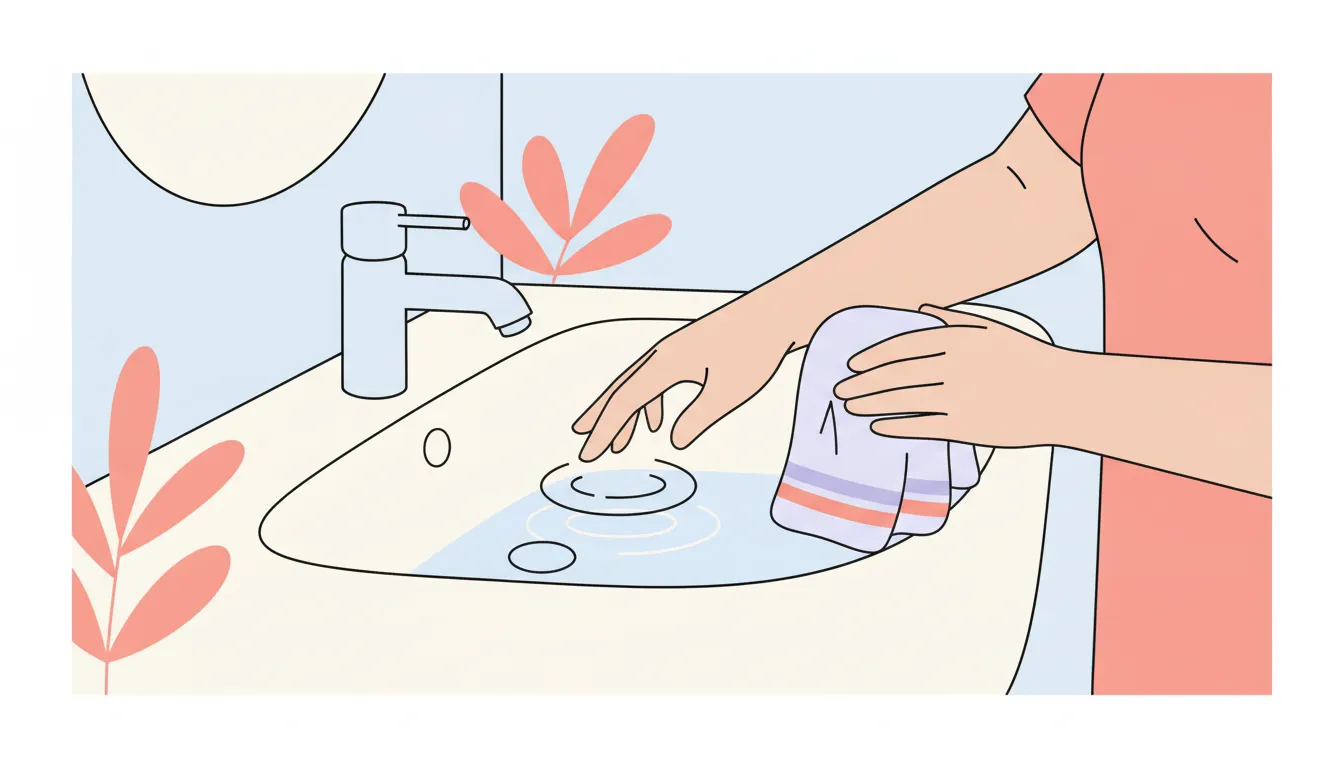
- Start with the daily need. Ask what would make self-care easier: a gentle cleanser, comfortable hydration, or simple mineral sun protection. Keep the answer practical. The goal is to choose skincare products for self confidence as tools for care and agency, not as a measure of worth.
- Check the formula and the fit. Look for clear product information, age-appropriate positioning, and a formula that suits the young person's preferences. Bright Girl emphasizes pH-balanced, non-toxic formulations developed for young skin. Families can also review age-appropriate skincare choices before selecting.
- Choose one starting product. Avoid opening several new products at once. A family might begin with Bright+Clean daily cleanser or Day+Bright facial moisturizer, depending on the immediate need. A smaller starting point makes it easier to notice comfort and build consistency.
- Ask about the experience. After trying the product as directed, invite specific feedback: Does the texture feel comfortable? Is the scent distracting? Is the packaging easy to use? Does the product fit naturally into the day? A teen's answers are useful information, not criticism of the product or their skin.
- Make the next choice together. If the first product feels suitable, keep it and consider the next practical category. For sun protection, compare a tinted mineral sunscreen with a sheer mineral sunscreen based on preference and everyday use. If the product is uncomfortable or hard to maintain, pause and reassess rather than adding more.
This approach leaves room for guidance and growing independence. It also keeps product selection connected to feeling cared for, capable, and comfortable in a routine that belongs to the teen.
How Can Product Conversations Support Confidence Without Appearance Pressure?
Parents can make skincare conversations feel supportive by separating care from correction. A cleanser or moisturizer can be part of a comfortable routine, but it should never suggest that a young person's face needs to be fixed before they are worthy, attractive, or confident. The goal is to offer information, choices, and practical support while leaving room for personal preferences.
Start with questions rather than observations about appearance. Ask what feels comfortable, what part of a routine seems manageable, and whether the young person wants help comparing options. A parent might ask whether the teen would like to choose a cleanser together or prefer a lighter or richer moisturizer. This approach gives a tween or teen a voice without placing responsibility for every decision on them.
It also helps to set boundaries around product use. Keep the selection focused, explain what each product is for, and avoid adding new products simply because an advertisement or influencer suggests a flaw. Ingredient transparency and age-appropriate formulas can support informed decisions, while a simple shelf reduces pressure to pursue an elaborate routine. Bright Girl's Beyond Clean Beauty approach can give families a starting point for discussing formulation values without turning the conversation into a search for perfection.
Keep compliments and encouragement broader than appearance. Johns Hopkins recommends valuing what the body can do, celebrating qualities such as kindness and genuineness, and choosing healthy habits that help a person feel well. Its guidance on teen body image also cautions that too much emphasis on appearance and weight in close relationships can contribute to negative body image. A skincare routine can support self-care and agency, but confidence also grows through friendships, creativity, movement, learning, and the freedom to participate without worrying about how someone looks.
If skincare concerns become a source of distress, avoidance, repeated checking, or conflict, pause the product conversation and seek guidance from a qualified healthcare professional. The right support should address the young person's wellbeing, not intensify appearance pressure.
Explore Bright Girl's skincare collection
Frequently Asked Questions
How should a parent compare skincare products before buying?
Start with the product's purpose, formula information, and fit with the young person's preferences. Choose a simple option for the immediate need rather than building a large collection. Look for clear ingredient communication, age-appropriate positioning, and a texture or finish the teen is willing to use consistently. A shared review of the label can turn the purchase into an informed choice instead of an appearance correction.
What if a teen dislikes the texture, scent, or finish of a product?
Take the feedback seriously and pause that product rather than framing discomfort as a lack of discipline. Sensory preferences can affect whether a routine feels manageable. Compare another suitable format, such as a lighter or richer moisturizer, or a tinted versus sheer mineral sunscreen, while keeping the selection focused on comfort and practical use.
How much choice should a parent give a teen when selecting products?
Parents can set the boundaries around age-appropriate care, budget, and product purpose, then offer two or three reasonable choices. Letting a teen compare textures, packaging, and routine fit gives them meaningful ownership without making them responsible for fixing their appearance. The goal is a healthy habit that supports agency, not a test they must pass.
When should a family ask a qualified professional for skincare guidance?
Ask a qualified healthcare professional when skin concerns are persistent, painful, rapidly changing, or affecting daily life, or when the family is unsure which type of care is appropriate. A professional can help separate a routine preference from a concern that needs individual evaluation. Keep the conversation neutral and focused on comfort and healthy skin habits, not on meeting an appearance ideal.
Ready to Explore Age-Appropriate Skincare?
Choosing skincare together can give young people a practical way to build comfortable, supportive habits while keeping the conversation focused on care, agency, and informed choices rather than appearance pressure. Bright Girl offers a simple place for parents and young people to explore options that fit their needs and preferences.
