


What Are Ceramides? A Teen Guide to Skin Barrier Support
If you have ever wondered, what are ceramides? The short answer is that they are naturally occurring lipids, or fats, found in the outer layer of skin. They are part of the skin barrier, the protective outer surface that helps hold on to water and manage contact with the outside environment. For tweens, teens, and parents reading ingredient labels, ceramides are best understood as one piece of a simple, supportive skincare routine, not a reason to collect a shelf full of products.
Explore Bright Girl skincare for a simple young-skin routine.
What are ceramides? Ceramides are lipids naturally found in the outer skin layer. Along with other lipids, they help organize the skin barrier and support its ability to hold on to moisture. Skincare formulas may also include ceramides, but the whole formula and the way it fits a routine matter more than one ingredient name.
What Are Ceramides and Where Are They Found?
Ceramides are waxy lipids found in the outermost part of the epidermis, called the stratum corneum. This outer layer contains skin cells surrounded by a carefully arranged mixture of lipids. Cleveland Clinic describes ceramides as a major part of the epidermis and notes that they can also appear in products such as moisturizers, lotions, creams, and serums. Read Cleveland Clinic's overview of ceramides.
The ceramides in a skincare formula are not a separate replacement for the skin barrier. They are cosmetic ingredients selected to work within a product formula. An ingredient list may use names such as ceramide AP, EOP, NG, NP, or NS. The name alone does not tell you whether a product will feel comfortable or suit a particular routine, so it is useful to consider the full formula, texture, fragrance, and other ingredients.
Ingredient names also need context. A label may list several ceramide types, but that list does not explain the amount used, how the formula feels, or how the product should be applied. Those details are why a balanced routine matters more than chasing one trending ingredient. Parents and teens can use the label as one helpful source of information, then review the directions and the rest of the formula.
How Do Ceramides Support the Skin Barrier?
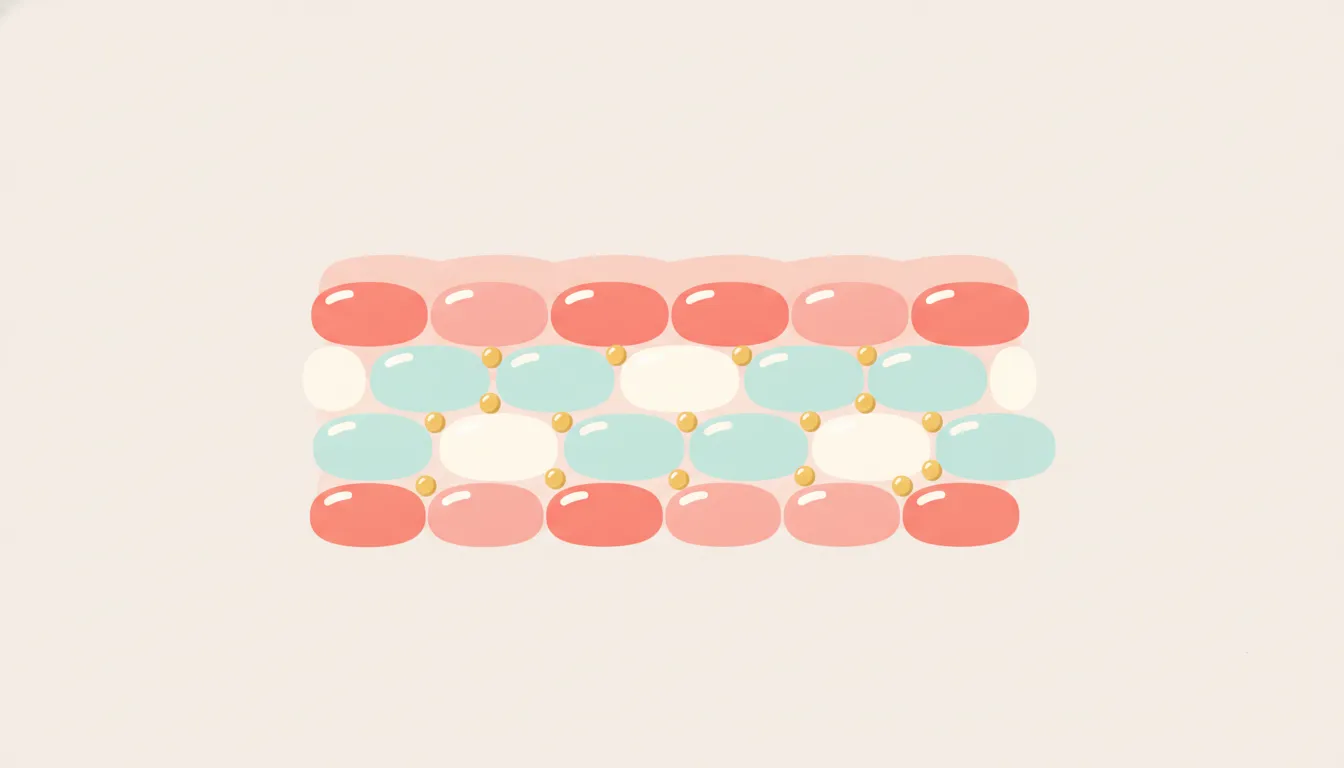
Think of the outer skin layer as a brick-and-mortar structure. Skin cells form much of the structure, while lipids between those cells help fill and organize the spaces. Ceramides are one part of that lipid mixture, alongside cholesterol and fatty acids. Together, these lipids help the outer layer maintain its organization and limit everyday moisture loss.
That role is supportive rather than dramatic. Ceramides are part of a normal skin structure, and a cosmetic product containing them is only one option for building a comfortable routine. The simple habits around the product still matter: cleanse without unnecessary friction, moisturize when needed, and pay attention to how the skin feels.
A barrier-supportive ingredient does not make a routine automatically better. Skin can feel tight, rough, dry, or uncomfortable for many reasons, including weather, friction, cleansing habits, and individual skin needs. Those sensations are not a diagnosis, and they do not prove that any one ingredient is needed. The practical goal is to avoid unnecessarily harsh habits and choose products that feel comfortable enough to use consistently.
Why is the skin barrier important for young skin?
Young people often encounter complicated routines on social media. Learning about ceramides can offer a calmer alternative: understand the role of the outer skin layer, keep cleansing gentle, moisturize when skin needs comfort, and use daytime sun protection as appropriate. Parents can help by checking labels and encouraging a routine that is realistic rather than trend-driven.
Which Skincare Products May Include Ceramides?
Ceramides most often appear in moisturizers and other products designed around hydration or barrier support. They may be found in lotions, creams, gels, and serums. A product can still be thoughtfully formulated without ceramides, and a product that lists ceramides is not automatically the right choice for every person. Look at the complete ingredient list, the product texture, and whether the formula fits the rest of the routine.
For young skin, a comfortable moisturizer is usually more useful than an elaborate ingredient hunt. If a formula feels heavy, stings, causes new discomfort, or is difficult to use regularly, it may not be a good fit even if the label contains a popular ingredient. Follow the product directions and introduce changes one at a time so it is easier to notice how the routine feels.
When comparing two moisturizers, start with the routine's actual needs. A lighter texture may be easier to use in the morning, while a richer texture may feel more comfortable in a dry season. Neither choice is automatically better. The most useful formula is one that the teen and parent understand, can apply as directed, and can use consistently without unnecessary discomfort.
What should parents look for on an ingredient label?
- The complete formula: Ceramides are one ingredient family, not a summary of the whole product.
- A comfortable texture: A moisturizer should be practical for the young person's skin and routine.
- Clear directions: Use the product as directed rather than layering several new products at once.
- Age-appropriate simplicity: A short routine is easier to understand and maintain.
Learn how Bright Girl approaches Beyond Clean Beauty.
How Can Teens Add Barrier Support to a Simple Routine?
Ceramides fit best into basic routine habits. They do not require a complicated schedule or a separate product for every concern. A simple order can look like this:
- Cleanse gently: Use clean hands, lukewarm water, and a cleanser that does not leave skin feeling uncomfortably tight.
- Moisturize: Apply a comfortable moisturizer as directed, especially when skin feels dry or tight.
- Use daytime sun protection: Apply a suitable broad-spectrum sunscreen as directed for daytime outdoor exposure.
- Keep the routine consistent: Give the routine time to become a habit before adding more steps.
Use less friction, avoid very hot water, and resist the urge to scrub harder when skin feels rough. More steps are not automatically more effective. If a new product causes persistent discomfort, stop using it and ask a parent or guardian about next steps. A dermatologist can help evaluate ongoing or significant skin concerns.
Routine consistency is easier when each step has a clear job. Cleansing removes everyday buildup, moisturizer adds comfort and hydration, and sunscreen supports daytime protection. Ceramides may be one part of the moisturizer step, but they do not need to become the focus of every decision. Notice what the routine does for comfort and practicality, not only what appears in a product name.
Should ceramides replace every other skincare step?
No. Ceramides are one type of ingredient, not a substitute for cleansing, moisturizing, sun protection, or professional guidance when needed. They also do not turn a strong or complicated routine into a gentle one. Build the basics first, then consider whether an additional product has a clear purpose and fits the age-appropriate routine.
What Is the Difference Between Ceramides and Moisturizers?
Ceramides are ingredients. A moisturizer is the finished product that may contain ceramides along with water, emollients, humectants, occlusives, and other supporting ingredients. The moisturizer's texture and full formula influence how it feels and how it fits into a routine.
This distinction helps explain why two products that both list ceramides may feel different. One may be a lightweight lotion, while another may be a richer cream. Neither label is a universal recommendation. The best choice depends on the person's skin, preferences, climate, routine, and the product directions.
For parents, this ingredient-versus-product distinction can make shopping less overwhelming. Rather than asking whether a single ingredient is a complete answer, ask whether the finished product has clear directions, a comfortable texture, and a role in a routine the young person can realistically follow. That approach keeps ingredient education useful without turning it into a trend checklist.
Shop Bright Girl's young-skin skincare collection.
When Should a Teen Ask a Parent or Dermatologist?
Ingredient education is useful, but it cannot identify the cause of every skin change. Ask a parent or guardian for help if skin discomfort persists, becomes significant, or interferes with everyday activities. A dermatologist can provide individualized guidance, especially when a young person has ongoing dryness, sensitivity, or another concern that is not improving with simple habits.
Keep a new routine easy to explain: note which products were added, how often they were used, and what the skin felt like afterward. This information can make a conversation with a parent or dermatologist more useful. Avoid copying a complicated routine from social media or adding multiple new products at the same time.
Frequently Asked Questions
What are ceramides in skincare?
Ceramides are lipids naturally found in the outer skin layer. Skincare formulas may include them as part of a moisturizer or another barrier-supportive product.
Are ceramides suitable for teen skincare?
Ceramides can be part of an age-appropriate routine, but suitability depends on the full formula and the person's individual skin needs. Keep the routine simple and follow product directions.
Can ceramides replace moisturizer?
No. Ceramides are ingredients, while a moisturizer is a finished product that may contain ceramides and other ingredients. A moisturizer can be selected based on comfort, texture, and routine fit.
How should teens support the skin barrier?
Start with gentle cleansing, comfortable moisturizing, and appropriate daytime sun protection. Avoid unnecessary friction and introduce routine changes one at a time.
What if a skincare product causes discomfort?
Stop using the product and ask a parent or guardian for help. If discomfort persists or is significant, consult a dermatologist for individualized guidance.
