


Teen Facial Skincare Products: What to Choose First
Teen skin can change quickly, but choosing a routine does not have to feel complicated. Oiliness, dryness, sensitivity, and breakouts are all reasons to look for products with clear roles rather than filling a bathroom shelf with every trending formula.
Shop Bright Girl skincare sets
The best teen facial skincare products to start with are usually a gentle cleanser, a lightweight moisturizer, and daily mineral sunscreen. This simple foundation supports healthy skin habits while giving teens and parents room to adjust based on skin needs.
Bright Girl was created by double board-certified dermatologist Angela Casey, M.D., for young skin ages 8-24. The goal is a polished, age-appropriate routine that feels easy to understand and practical to maintain. Start by learning what each category does, then match those roles to the skin in front of you. For a ready-made starting point, explore Bright Girl skincare sets.
Here is how to compare the essentials and choose a thoughtful first routine.
What Are the Best Teen Facial Skincare Products to Start With?
The best starting routine is usually simple: cleanse, moisturize, and protect skin from the sun. The right product categories each have a distinct job, so teens can build consistent habits without layering unnecessary formulas. Bright Girl's core sequence adds toner between cleansing and moisturizing, followed by sunscreen in the morning.
Start with a gentle cleanser that lifts oil, sweat, and surface pollutants from the day. Bright+Clean is a practical option to consider as a daily facial cleanser for teens. After cleansing, toner can help balance skin pH and prepare the skin for moisture. A lightweight, non-comedogenic moisturizer then supports hydration without feeling heavy or contributing to pore congestion. Day+Bright is designed as a moisturizer for sensitive teen skin.
Sunscreen completes the morning routine and belongs in the lineup year-round, including on cloudy days. Mineral formulas with zinc oxide or titanium dioxide are often a considerate choice for sensitive skin. A calming mask is not a daily essential, but it can be a useful occasional step when skin feels stressed or sensitive. Bright Girl's Calm+Bright Mask is designed for use up to three times weekly.
| Product category | What it does | How to approach it |
|---|---|---|
| Cleanser | Removes oil, sweat, and surface buildup. | Use as the gentle first step in a routine. |
| Toner | Helps balance skin pH after cleansing. | Use before moisturizer when it suits your routine. |
| Moisturizer | Helps maintain comfortable, hydrated skin. | Look for a lightweight, non-comedogenic formula. |
| Sunscreen | Provides daily protection from UV exposure. | Make mineral sun protection a morning habit year-round. |
| Calming mask | Offers an occasional soothing step for stressed or sensitive skin. | Use as directed rather than adding it every day. |
For most teens, cleanser, moisturizer, and sunscreen are the foundation. Toner and a calming mask can be added according to preference and skin needs. Choosing age-appropriate, pH-balanced formulas keeps the routine focused while supporting healthy skin habits.
How Should Teens Choose Formulas and Ingredients?
The ingredient list can feel overwhelming, but choosing teen facial skincare products does not require a complicated routine. Start with formulas that respect the skin barrier, then look for features that fit the teen's skin type and comfort level.
Why Does pH Balance Matter?
A pH-balanced formula is designed to work with the skin's natural environment rather than creating an unnecessarily uncomfortable first step. Bright Girl emphasizes pH-balanced, non-toxic formulas as part of its approach to age-appropriate skincare. If a cleanser or toner leaves the skin feeling tight, stinging, or unusually dry, that sensation is useful feedback. The product may not be the right fit, even if it is popular.
A toner can also be selected with purpose. A well-formulated toner may help balance skin pH after cleansing and prepare the skin for moisture. It should complement the routine, not add another source of irritation.
Which Ingredients Should Sensitive Skin Avoid?
Teens and parents should scan labels for strong fragrance and overly drying ingredients, especially when the skin is sensitive or easily uncomfortable. Hypoallergenic, fragrance-free formulas can reduce the risk of irritation for sensitive skin. This does not mean every fragrance-free product will suit every person, so the full formula and the skin's response still matter.
Look for a lightweight moisturizer labeled non-comedogenic when possible. This type of formula can provide hydration without clogging pores, which is useful for skin that is prone to breakouts. Hydration is not the enemy of oily skin. Supporting the barrier helps reduce moisture loss and can make a routine easier to use consistently.
Are Scrubs Helpful for Teen Skin?
More friction is not automatically more effective. Harsh scrubbing can irritate the skin and damage the barrier, and it may make breakouts feel worse. A gentle cleanser and comfortable, non-abrasive formulas are a better starting point than rough particles or aggressive rubbing. Apply products with clean hands and light pressure, allowing the formula to do its intended job.
How Can Teens Test a New Formula?
Introduce one new product at a time so it is easier to notice how the skin responds. Before applying it broadly, patch test a small amount on an unobtrusive area according to the product directions. Stop using a product if it causes persistent discomfort, and ask a parent or qualified healthcare professional for guidance when concerns do not settle. A short, thoughtful label check can help a teen build a routine that feels safe, comfortable, and sustainable.
Which Teen Facial Skincare Products Fit Each Skin Need?
The best product match starts with what the skin is asking for today, not with the most complicated routine on the shelf. A teen with an oily T-zone may need a different balance than someone experiencing tightness or visible sensitivity. The goal is a simple, gentle selection that supports the skin barrier and is easy to use consistently.
For oily or acne-prone skin, keep the routine gentle
Oily or acne-prone skin still needs hydration. Overly aggressive cleansing or layering too many strong products can leave skin feeling dry and uncomfortable. A consistent daily routine with a cleanser, a lightweight moisturizer, and appropriate sun protection provides a practical foundation. The Mayo Clinic also recommends a gentle approach for teen acne concerns rather than harsh measures: learn more about gentle acne care.
Look for a lightweight, non-comedogenic moisturizer that hydrates without feeling heavy. For a more organized product match, Bright Girl's teen acne care kit brings complementary routine steps together in one option. Use products as directed and introduce changes gradually so the teen can understand how each step feels.
For dry skin, prioritize comfort and hydration
Dry-feeling skin benefits from a routine that cleanses without leaving a tight sensation, followed by a moisturizer that helps support comfortable hydration. Keep the number of products manageable. A straightforward routine is easier to repeat morning and evening, and consistency matters more than collecting a large number of formulas.
For sensitive skin, choose fewer, gentler formulas
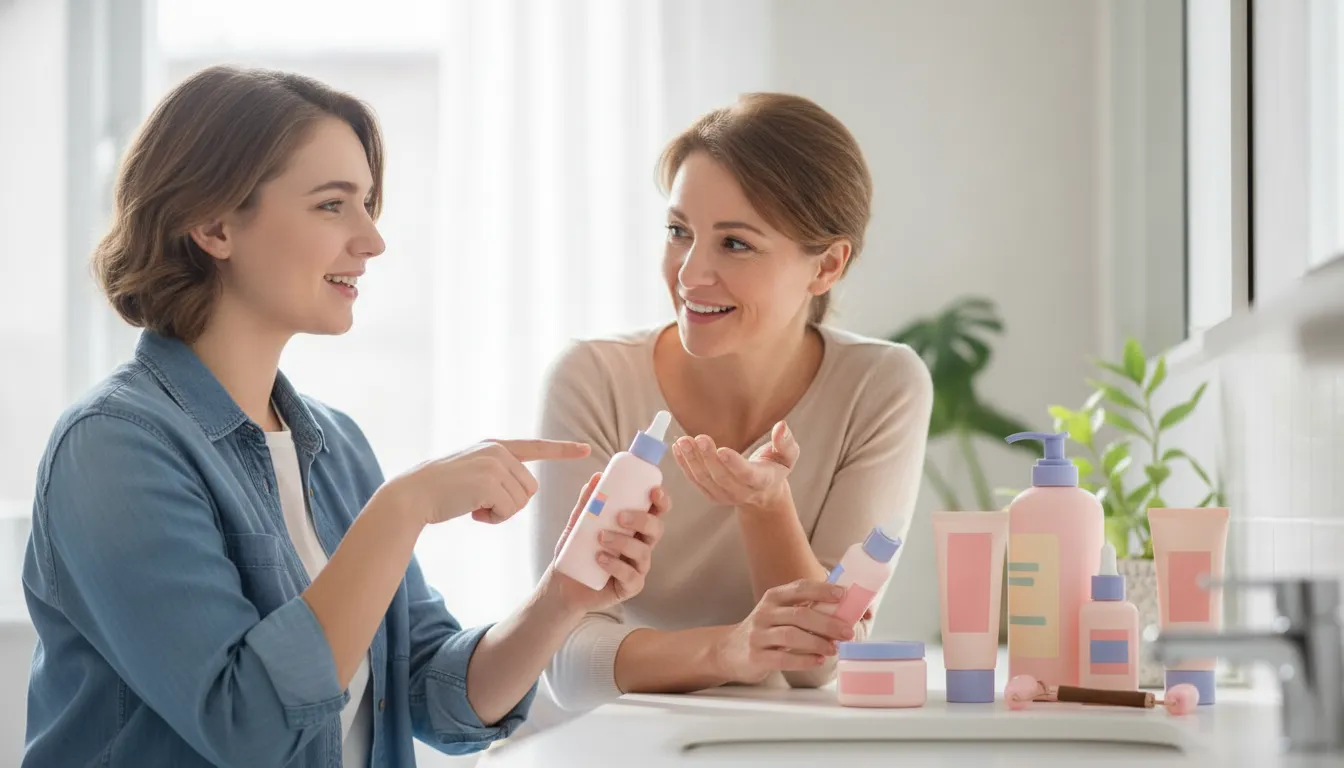
Sensitive skin calls for thoughtful product selection. Hypoallergenic, fragrance-free formulas can reduce the risk of irritation, while barrier-supportive care helps limit moisture loss and discomfort. Bright Girl's Calm+Bright Mask is designed for sensitive or stressed skin and can be used up to three times a week. A patch test on a small area is a sensible step when introducing any new product.
For combination skin, balance the dry areas and T-zone
Combination skin often needs targeted care rather than one extreme approach. Keep cleansing gentle, use a lightweight moisturizer across the face, and pay attention to where skin feels drier or more oily. Hydrating dry areas while keeping the T-zone comfortable can create a more balanced routine. Teens and parents can adjust one product at a time, read the label carefully, and seek professional guidance for persistent concerns.
Why Does Sunscreen Belong in a Teen Routine?
Sun protection is a daily step because ultraviolet exposure does not disappear when the forecast is cloudy or the season changes. Regular sunscreen use during childhood and adolescence helps support long-term skin health and reduce photoaging over time, making it a practical part of age-appropriate care. Research on sunscreen use also identifies adolescence as an important time to establish this habit.
For teens, a mineral formula can be a comfortable choice. Bright Girl recommends mineral sunscreen with zinc oxide or titanium dioxide for effective, gentle protection. Mineral formulas are also often better tolerated by sensitive skin than chemical formulas, although every new product should be introduced thoughtfully and patch tested when appropriate.
When Is a Sheer Mineral Sunscreen the Best Choice?
A sheer formula works well when a teen wants straightforward daily protection without added coverage. It can fit easily into a morning routine after moisturizer and before makeup, sports, school, or time outdoors. Bright+Block Sheer SPF 40 is one option to explore when the goal is a simple, lightweight-feeling step. Learn more about this mineral sunscreen for teens.
When Might a Tinted Formula Be More Convenient?
A tinted mineral sunscreen can be useful when a teen wants SPF protection with a more finished appearance. Bright+Block Tinted Mineral Sunscreen is designed for daily use and helps even out the look of skin tone while providing SPF protection. It may be a convenient choice for school days, outings, or anyone who prefers one less complexion product in the morning.
The best option is the one a teen will apply consistently and comfortably. Parents can help by looking for a well-fitting, age-appropriate formula, while teens can choose the texture and finish that make daily use feel natural. Sunscreen is not a special-occasion product. It belongs alongside cleansing and moisturizing as part of a simple routine for healthy-looking young skin.
How Can Teens Build a Routine They Will Actually Use?
The best routine is one that fits naturally into the day. Puberty can bring changes such as increased oiliness, dryness, or the beginning of breakouts, making it a practical time to establish simple habits. Skin can also respond to stress, hormonal changes, sleep, diet, and other lifestyle factors, so consistency matters more than chasing a perfect routine.
- Start with the essential steps. In the morning, cleanse gently, apply moisturizer, and finish with sunscreen. At night, cleanse again and moisturize. This sequence keeps the routine clear while covering the basics of daily care. If a toner is part of the selected regimen, use it after cleansing and before moisturizer. A short routine is easier to remember than a shelf full of products.
- Connect each step to an existing habit. Keep the products where the routine already happens, such as beside the bathroom sink, and follow the same order each day. Sunscreen is especially easy to skip when the weather is cloudy or plans change. Making it a normal morning step, like brushing teeth, can make regular use feel automatic. Daily sunscreen use should remain part of the routine throughout the year because UV exposure is present even on cloudy days according to research on teen sunscreen habits.
- Give the routine time to become familiar. Skin needs and schedules change, and a stressful week does not mean the routine has failed. Consistent use is an important part of any acne-care routine, while healthy habits built during the teen years support skin health over time as Mayo Clinic explains. Avoid adding several new products at once. A steady baseline makes it easier to notice how the skin responds.
- Make support collaborative. Parents can help compare labels, restock essentials, and ask what feels comfortable without taking over. Teens are more likely to build confidence when they understand what each product does and participate in choosing age-appropriate care. For a simpler starting point, Bright Girl skincare sets can organize compatible products in one place.
Education turns repetition into independence. Talk through the purpose of each step, then let the teen manage the routine as much as possible. The goal is not perfection. It is a calm, informed pattern that can flex with real life while keeping daily care manageable.
When Should a Teen Ask for Personalized Skincare Guidance?
Personalized guidance can be helpful when a teen or parent feels unsure about which products fit the skin's needs. It can clarify how to simplify a routine or what to introduce first.
Guidance is especially useful when the goal is to choose age-appropriate formulas rather than follow a trend. Parents often prioritize safety, medical expertise, and efficacy. Teens look for products that feel appealing and suited to their stage of life. A thoughtful conversation can support both perspectives.
A dermatologist-developed routine is designed to keep those decisions appropriate for young skin while supporting the skin barrier. Bright Girl was created for ages 8-24, so teens and parents can evaluate products through a clear, age-aware lens instead of assembling a routine from unrelated recommendations.
A simple selection checklist
- Start with the skin's current needs. Note whether the main priority is keeping skin comfortable, supporting hydration, managing oil, or creating a more consistent daily habit.
- Review the formula. For sensitive skin, look for hypoallergenic, fragrance-free options. Avoid strong fragrances and overly drying ingredients that may increase irritation.
- Keep the routine focused. Choose a few purposeful products and introduce new formulas gradually. A shorter routine is easier to understand and use consistently.
- Invite both teen and parent input. The best routine should meet safety expectations while also feeling realistic and comfortable for the person using it.
If skin concerns persist, become uncomfortable, or feel difficult to manage, a qualified healthcare professional can provide individualized advice. The right guidance should clarify product choices without turning skincare into a source of pressure. The FAQs below address common questions teens and parents have when building that plan.
Explore Bright Girl skincare sets
Frequently Asked Questions
What is a simple facial skincare routine for teens?
Start with a gentle cleanser, follow with moisturizer, and apply mineral sunscreen in the morning. Toner can be an optional step when it fits the skin's needs. This simple sequence supports consistent daily habits without overwhelming a teen or parent. Mayo Clinic identifies cleansing, moisturizing, and sun protection as the foundation of a teen routine.
When should teens start a facial skincare routine?
A teen can begin when skin changes such as increased oiliness, dryness, or early breakouts become noticeable, often around puberty. The best starting point is a short, gentle routine that can be followed consistently rather than a crowded lineup of products. Mayo Clinic recommends introducing a gentle routine when these changes appear.
How do you choose products for sensitive teen skin?
Look for fragrance-free, hypoallergenic formulas with barrier-supportive ingredients, and avoid harsh scrubbing or overly drying agents. Introduce one new product at a time and patch test when practical. If sensitivity persists or becomes difficult to manage, a parent and teen should ask a dermatologist for personalized guidance.
Why is mineral SPF important for teen skin?
Mineral sunscreen uses zinc oxide or titanium dioxide to provide daily sun protection and is often well tolerated by sensitive skin. Make it a year-round morning step, including on cloudy days, because UV exposure is not limited to bright weather. A review in the National Institutes of Health archive supports regular sunscreen use during adolescence.
Can a routine help with acne-prone skin?
Yes. A consistent, gentle routine can help support acne-prone skin without adding unnecessary dryness. Cleanse without scrubbing, choose a lightweight non-comedogenic moisturizer, and select products designed for young skin. Persistent or severe concerns deserve professional evaluation rather than frequent product changes.
Get started with a routine that fits
Choosing a simple routine can make daily skincare easier to understand and maintain for both teens and parents. Use the guide to select the categories that match your skin needs, then explore a focused starting point.
Shop Bright Girl skincare sets
Prefer to build one step at a time? Explore the individual products that fit the routine you chose.
