


Skincare Products with Vitamin E: What Teens Should Know
Young skin does not need a complicated routine to feel comfortable and supported. The most helpful starting point is usually gentle cleansing, consistent moisture, and daily sun protection, with ingredients chosen for the skin's age and needs.
Skincare products with vitamin E can help support hydration and the skin barrier by helping skin hold onto moisture and by contributing antioxidant support. Vitamin E is not a one-step solution, so a well-formulated product, a balanced routine, and individual tolerance matter more than chasing a single ingredient.
That balanced approach makes vitamin E worth understanding, especially when you are comparing ingredient lists or choosing products for a tween, teen, or young adult. Its name can appear in several forms, and the formula around it affects how the product fits into a gentle routine. Let us start with what vitamin E is and why formulators include it in skincare.
Shop Bright Girl's gentle cleansers, moisturizers, and mineral sunscreens
What Is Vitamin E and Why Is It in Skincare Products?
Vitamin E is a fat-soluble antioxidant that occurs naturally in the skin and in plant-based oils such as sunflower, soybean, and almond oil. In an ingredient list, you may see it called tocopherol or tocopheryl acetate. These names refer to forms used in formulations, with tocopheryl acetate being a more stable derivative that can be easier to include in a finished product.
As an antioxidant, vitamin E helps the skin manage oxidative stress, which can result when molecules called free radicals interact with cells. That does not make vitamin E a one-step fix, and it does not change your natural skin tone. Its role is more practical and supportive: it can complement a gentle routine that helps skin hold on to moisture and maintain its protective barrier.
So why do brands add it? Skin physiology research has supported the development of vitamin E formulations for cosmetics and skincare, including products designed to support barrier stability and topical photoprotective functions. A review indexed by the National Library of Medicine describes vitamin E's role in skin physiology and explains why it appears in many modern formulas.
What is the difference between tocopherol and tocopheryl acetate?
Tocopherol is a form of vitamin E that is familiar from both food and topical skincare. Tocopheryl acetate is an esterified form, meaning it has been modified to improve stability in a product. Once applied, the skin may convert some forms into active vitamin E, although the effect depends on the formula, concentration, and how the product is used. The ingredient name alone cannot predict how a product will feel or perform.
For that reason, choosing skincare products with vitamin E is less about finding the longest ingredient list and more about looking at the whole formula. A pH-conscious cleanser, lightweight moisturizer, or mineral sunscreen may be a more useful addition than a concentrated oil that feels heavy or encourages overuse. Look for products designed for your skin's needs, use them consistently, and introduce one new product at a time when possible.
Vitamin E is one supportive ingredient within an age-appropriate routine. It works alongside basic habits such as gentle cleansing, moisturizing, and daily sun protection, rather than replacing them.
What Does Vitamin E Do for Teen Skin?
Vitamin E is best understood as a supportive ingredient, not a quick fix. In an age-appropriate routine, it can help reinforce the skin barrier, support moisture retention, and contribute antioxidant activity while skin encounters everyday environmental stress. Those benefits are useful for teens and young adults building simple habits. But they do not mean every vitamin E formula will feel or perform the same way for every person.
How does vitamin E support the skin barrier?
The skin barrier is the outer layer that helps keep water in and irritants out. When it is supported, skin is better able to maintain a comfortable level of hydration. Topical vitamin E has been studied for skin barrier-stabilizing properties, which is one reason it appears in modern skincare formulations. Research reviewed in PubMed describes experimental evidence for topical vitamin E's barrier-supporting role.
Vitamin E is also commonly included in moisturizers and other products alongside emollients and humectants. In that setting, it is one part of a formula designed to reduce moisture loss and leave skin feeling softer. Look for a balanced product rather than assuming that a concentrated oil is automatically better. A lightweight, pH-conscious moisturizer may be a more practical choice for daily use than layering several rich oils.
Can vitamin E help protect skin from oxidative stress?
Vitamin E contributes to the skin's antioxidant defense system. Antioxidants help the skin manage oxidative stress associated with reactive molecules formed during normal metabolism and environmental exposure. A CDC-hosted research record describes vitamin E as part of the skin's total antioxidant reserve and reports that vitamin E levels contributed to that reserve in experimental skin research. Read the CDC-hosted source on vitamin E and antioxidant defenses.
Research has also examined topical vitamin E in keratinocytes, the main cells in the outer skin layers. One CDC-hosted study describes vitamin E's role in helping counteract oxidative stress in these cells. Review the keratinocyte oxidative-stress research. These findings help explain why vitamin E is considered a supportive ingredient. But laboratory and experimental evidence should not be presented as a promise of a particular visible outcome.
Does vitamin E replace sunscreen?
No. Topical vitamin E has demonstrated photoprotective properties in experimental evidence, including research summarized by PubMed, but vitamin E is not a substitute for broad-spectrum sunscreen. The review discusses vitamin E's photoprotective and barrier-stabilizing properties. For daytime protection, use a sunscreen formulated for reliable UV protection and apply it as directed. To learn more about choosing a mineral formula, explore our guide to mineral sunscreen ingredients.
For young skin, the most helpful approach is consistent and uncomplicated: cleanse gently, moisturize when needed, and protect skin from the sun. Vitamin E can complement those habits, especially when it is included in a well-designed product, but it does not need to be the only ingredient you seek.
Which Skincare Products with Vitamin E Work Best for Young Skin?
The best skincare products with vitamin E for young skin are usually the simplest ones: a gentle cleanser, a comfortable moisturizer, and daily mineral sunscreen. These formats can support a consistent routine without asking tweens, teens, or young adults to layer strong actives or use more products than they need.
Start by checking the ingredient list rather than relying only on front-label language. Vitamin E may appear as tocopherol or tocopheryl acetate. Both names describe forms used in cosmetic formulas. You may also see vitamin E included alongside moisturizing ingredients that help skin feel soft and comfortable. The formula as a whole matters more than one highlighted ingredient. A balanced product should suit the skin's needs, feel comfortable during regular use, and fit into an age-appropriate routine.
Which product formats make the most sense?
Moisturizers: A daily moisturizer is a practical place to find vitamin E because it stays on the skin after application. Look for a lightweight or cream texture that supports hydration without leaving skin feeling heavy. Bright Girl's Day+Bright 24-hour facial moisturizer is pH-balanced and formulated with a dermatologist-created approach from Angela Casey, M.D. It is designed for young skin and can help make moisturizing an easy, repeatable step.
Mineral sunscreens: Sunscreen belongs in the morning routine, especially when young skin is outdoors. Bright Girl's Bright+Block SPF 44 Tinted Mineral Sunscreen is pH-balanced and dermatologist-created by Angela Casey, M.D. If its ingredient list includes tocopherol or tocopheryl acetate, vitamin E is one supporting component within a broader mineral sun-protection formula. It should not replace the importance of using the product as directed or reapplying when appropriate.
Mild gel cleansers: A cleanser is rinsed away, so it does not need to be packed with active ingredients. Choose a mild gel cleanser that removes daily buildup without leaving skin tight, stinging, or uncomfortable. Bright Girl's Bright+Clean daily facial gel cleanser can provide a straightforward starting point for a routine focused on gentle cleansing rather than aggressive scrubbing.
How should you choose among skincare products with vitamin E?
For ages 8-24, prioritize a short routine and gentle formulas over high-strength actives, complicated ingredient stacks, or concentrated facial oils. A product can be non-toxic, pH-balanced, and aligned with Beyond Clean Beauty while still needing to feel right for the individual using it. Introduce one new product at a time, follow its directions, and stop if persistent redness, itching, burning, or swelling develops. A parent or dermatologist can help if those symptoms continue.
For more age-specific guidance, explore safe skincare products with vitamin E and build from the basics. The goal is not the most intense routine. It is a comfortable set of products that supports healthy habits and makes daily care easier to maintain.
Does Vitamin E Work as an Antioxidant in Sunscreen and Moisturizer?
Vitamin E can be a useful supporting ingredient, but its role depends on the formula around it. On its own, it can help support moisture retention, skin comfort, and the barrier. In a sunscreen, it may complement the product's primary sun-protection filters. When paired with vitamin C, it contributes to a broader antioxidant approach. These benefits are supportive, not a reason to layer several concentrated products onto young skin.
Research describes topical vitamin E as having photoprotective and skin-barrier-stabilizing properties, while also contributing to the skin's antioxidant defense system. That does not make vitamin E a substitute for daily broad-spectrum sunscreen. For dependable daytime protection, choose a properly labeled mineral SPF and apply it as directed. Bright+Block SPF 44 Tinted Mineral Sunscreen is one age-appropriate example for shoppers who want mineral sun protection in a product-forward routine.
| Vitamin E approach | What it supports | Best age-appropriate use |
|---|---|---|
| Vitamin E in a moisturizer | Hydration, moisture retention, and barrier support. Vitamin E may appear as tocopherol or tocopheryl acetate in the ingredient list. | A simple daily moisturizer for young skin that feels dry, tight, or uncomfortable after cleansing. |
| Vitamin E paired with mineral sunscreen | Antioxidant and barrier support alongside photoprotection from mineral SPF filters. Vitamin E does not replace the SPF. | A morning routine for school, outdoor activities, and everyday exposure. Bright+Block SPF 44 Tinted Mineral Sunscreen can provide the mineral SPF step. |
| Vitamin E paired with vitamin C | Complementary antioxidant support in a well-balanced formula. The goal is a gentle, supportive formula rather than maximum ingredient intensity. | Use when the complete product is designed for young or sensitive skin, and introduce one new product at a time. |
Shop the Core 4 bundle for a simple, dermatologist-founded routine
The most practical choice is usually the simplest one that meets the day's need. A moisturizer with vitamin E can support the barrier, while a mineral SPF handles the essential photoprotection step. A vitamin C and vitamin E pairing can be appropriate in some formulas, but more actives are not automatically better for tweens or teens. Look for a pH-balanced, fragrance-conscious product with clear directions, and keep the rest of the routine gentle.
For deeper background, review this academic review of vitamin E in human skin. If a new product causes persistent stinging, redness, or itching, stop using it and ask a parent, pharmacist, or dermatologist for guidance.
How Do You Use Skincare Products with Vitamin E in a Simple Routine?
A simple routine gives young skin a better chance to stay comfortable and balanced than a crowded shelf of intense products. Whether you are eight, eighteen, or somewhere in between, focus on gentle steps you can repeat morning and evening. Skincare products with vitamin E can fit into that routine, but vitamin E does not need to be the only feature you look for. Mild formulas, hydration, and daily mineral sun protection matter too.
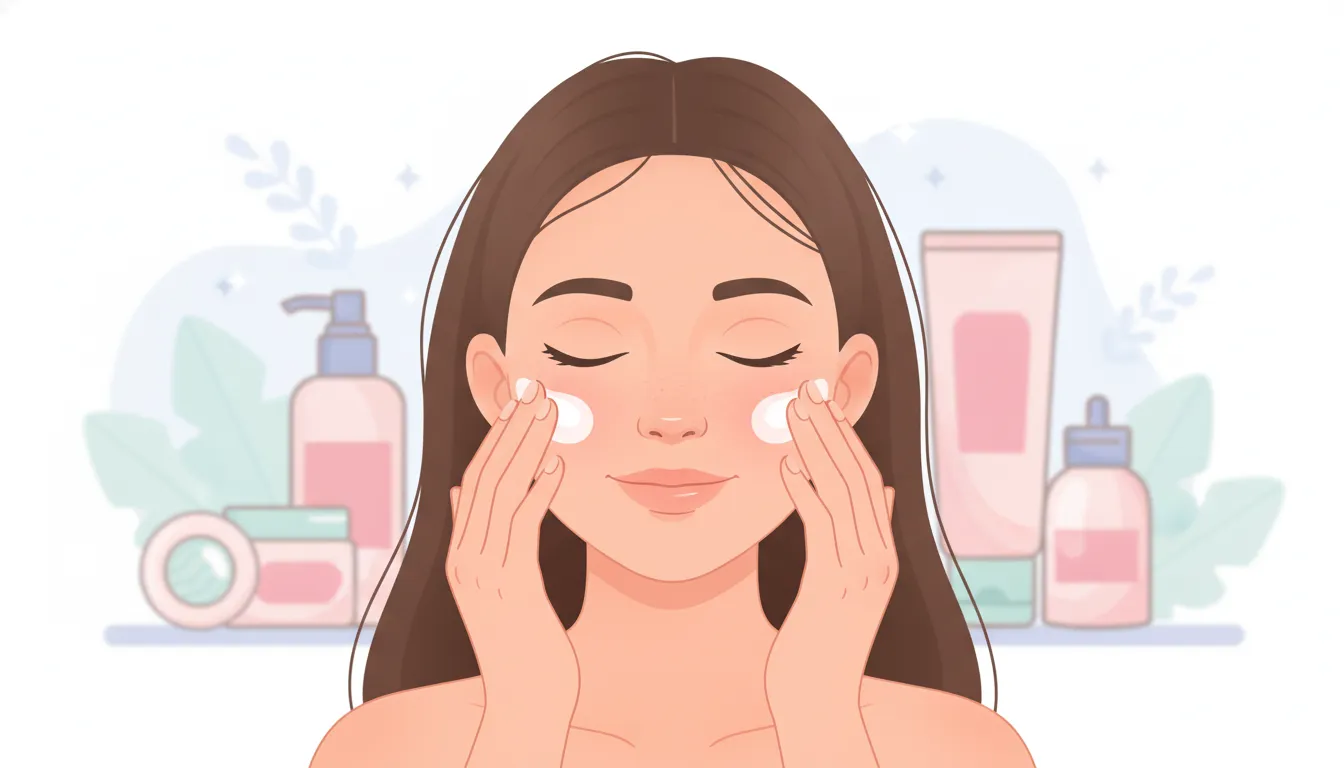
- Cleanse with a gentle gel cleanser. Begin with Bright+Clean, a gentle gel cleanser that removes everyday buildup without making your routine feel complicated. Use lukewarm water and your fingertips, then rinse thoroughly. Strong soaps and detergents can strip oil from the skin, so the Mayo Clinic recommends choosing mild cleansers to help maintain the skin barrier: read the guidance on mild cleansing. You do not need vigorous scrubbing or repeated washing to feel that your skin is clean.
- Pat your skin dry gently. Use a clean, soft towel and press or blot rather than rubbing. Leaving the skin slightly comfortable and fresh, rather than tight or irritated, is the goal. The Mayo Clinic specifically recommends gently patting or blotting skin dry after washing, which supports a less abrasive approach to daily care. This small habit takes only a few seconds, but it can make the rest of your routine feel gentler.
- Apply a light hydrating moisturizer. Smooth a comfortable layer of Day+Bright 24-hour facial moisturizer over your face while skin still feels fresh. Use enough to cover the face without piling on multiple layers. A moisturizer helps support hydration and gives your routine a steady middle step. If you are building a gentle skincare routine, keep the product count manageable and pay attention to how your skin feels over time.
- Finish with mineral sunscreen in the morning. In the morning, apply Bright+Block Tinted SPF 44 mineral sunscreen as the final skincare step before makeup, if you wear it. Follow the product directions for the amount and reapplication. Vitamin E may offer supportive antioxidant and photoprotective properties in topical formulations, but it is not a substitute for sunscreen. For more ingredient education, explore this guide to mineral sunscreen ingredients.
Consistency matters more than intensity. You do not need a harsh scrub, a long sequence of serums, or a strong sensation to build healthy habits. Repeat the same gentle basics, introduce only one new product at a time, and ask a parent, caregiver, or dermatologist for guidance when your skin is persistently uncomfortable. Age-appropriate care should feel practical, supportive, and easy to maintain.
Is Vitamin E Skincare Safe for Sensitive or Young Skin?
For many people, vitamin E is a gentle, well-tolerated ingredient when it is included in a thoughtfully balanced formula. It is part of the skin's antioxidant defense system, and research has explored its role in supporting the skin barrier and protecting skin from oxidative stress. Topical vitamin E is also commonly included in modern cosmetic and skincare formulations because of its role in skin physiology. Research on topical vitamin E and skin barrier support provides useful context.
Still, an ingredient's benefits depend on the complete product and how your skin responds. Pure or high-strength vitamin E oils can have a thick, heavy feel, especially on young skin that becomes oily or congested easily. Concentrated oils may also be irritating for some people, particularly when layered with several other new products. A balanced moisturizer or sunscreen is usually a more comfortable starting point than applying a concentrated oil directly to the face. Healthline also notes that vitamin E oil has a thick consistency and may not suit every routine, so formulation and application matter: review its vitamin E safety precautions.
If your skin is sensitive, try a patch test before applying a new product broadly. Place a small amount on a discreet area, such as the inner forearm or along the jaw, and observe the area for a day or two. If you notice persistent redness, itching, stinging, swelling, or discomfort, wash the product off and stop using it. Do not add several new products at once, because that makes it harder to identify which formula caused a reaction.
For an age-appropriate routine, look for pH-balanced, fragrance-conscious formulas with clear ingredient lists and a simple purpose. A gentle cleanser, moisturizer, and mineral sunscreen can provide a supportive foundation without asking young skin to manage an overly complicated routine. If your skin is very reactive, has ongoing discomfort, or you are unsure which ingredients are appropriate, ask a dermatologist for personalized guidance. Bright Girl is created with dermatologist Angela Casey, M.D., and a dermatologist can help you choose a routine that fits your skin's needs. Vitamin E can be a useful part of gentle skincare products with vitamin E, but more concentrated is not automatically better.
Shop Bright Girl's age-appropriate skincare collection
Frequently Asked Questions
Is vitamin E good for your skin?
Vitamin E can be a helpful skincare ingredient because it supports the skin's antioxidant defenses and helps maintain hydration and barrier function. Its value depends on the full formula, so look for gentle, age-appropriate products rather than relying on vitamin E alone.
What does vitamin E do for teen skin?
In a well-formulated product, vitamin E can help support moisture retention and the skin barrier, which helps young skin stay comfortable and resilient. It is supportive, not a replacement for cleansing gently, moisturizing consistently, and using sunscreen.
Can you use vitamin E products daily?
Many people can use a gentle vitamin E moisturizer or cleanser daily when it agrees with their skin. Start with one product, follow its directions, and avoid layering several concentrated oils or new actives at once. Consistency and a simple routine are usually more useful than intensity.
Does vitamin E help with dry skin?
Vitamin E may help dry-feeling skin by supporting moisture retention, especially when it is combined with emollients and other moisturizing ingredients. Apply a suitable moisturizer after cleansing, and adjust the routine if tightness, stinging, or flaking continues.
Is vitamin E safe for sensitive skin?
Vitamin E is commonly included in skincare formulas, but any ingredient can be unsuitable for an individual. Patch-test a new product, choose a fragrance-free gentle formula when appropriate, and stop using it if redness, itching, or discomfort develops. Ask a dermatologist for guidance when reactions persist.
Build a Gentle Vitamin E Routine You Love
Vitamin E has earned its place in skincare because it supports hydration and helps young skin feel soft, comfortable, and protected. The best way to enjoy those benefits is with a simple, gentle routine built for your age and skin type, not a cabinet of strong or harsh products.
Bright Girl was created by board-certified dermatologist Angela Casey, M.D. to give tweens, teens, and young adults science-backed, non-toxic skincare that supports healthy skin habits. From a pH-balanced gel cleanser to hydrating moisturizer and mineral sunscreen, every formula is designed with young, developing skin in mind.
Ready to build a routine your skin will thank you for? Explore Bright Girl's gentle, dermatologist-created collection and save on curated sets.
