


Skincare Products for Active Teens: Parent Guide
For an active teen, the best routine is not the longest one. It is the one that feels comfortable before school, fits easily into a busy day, and is simple enough to repeat without turning skincare into another assignment. Parents can help by looking for age-appropriate formulas, clear product purposes, and textures their teen will actually want to use.
Shop Bright Girl skincare essentials
The most useful skincare products for active teens are gentle, practical essentials: a cleanser, a moisturizer, and daily broad-spectrum sunscreen selected for the teen's skin needs, preferred finish, and schedule. The American Academy of Dermatology similarly recommends a simple routine built around gentle cleansing, fragrance-free moisturizer, and broad-spectrum water-resistant SPF 30 or higher: AAD guidance.
From a compact cleanser for a school-to-activity transition to a lightweight moisturizer and mineral sunscreen that suit personal texture preferences, each choice should earn its place. Start by considering what these products need to do well for young skin and an active, realistic routine.
What Do Skincare Products for Active Teens Need to Do?
For a teen moving from school to an afternoon activity, the best routine is one that fits the whole day rather than adding another demanding task. Parents are often choosing products that a teen can understand, carry, and use consistently. The goal is a small set of age-appropriate essentials with comfortable textures and clear purposes.
The American Academy of Dermatology recommends keeping teen skincare simple. Its guidance centers on gentle cleansing, moisturizer, and daily broad-spectrum sunscreen with SPF 30 or higher, while noting that consistency matters more than a 10-step routine. Read the AAD's dermatologist guide to skincare for the full context. That approach gives families a useful comparison filter.
Can the routine keep up with a changing schedule?
Skincare products for active teens should be easy to use before the day becomes crowded. A cleanser should feel straightforward, a moisturizer should suit the teen's preferred finish, and sunscreen should be practical for daytime outdoor exposure. Packaging and product size also matter when essentials need to move between a home bathroom and school bag. The more intuitive each step feels, the less likely the routine is to become an abandoned intention.
Comfort is part of function. A teen may prefer a lightweight, non-greasy moisturizer or a sunscreen finish that feels unobtrusive. Parents can ask which textures feel pleasant and whether a product leaves the skin feeling tight, heavy, or coated. Those answers are more useful than trend-driven ingredient lists.
What makes a formula age-appropriate?
Look for products designed with young skin and everyday habits in mind, rather than importing a complex adult routine. Bright Girl products are formulated for young skin ages 8 to 24 and developed by double board-certified dermatologist Angela Casey, M.D. Families can begin with the fewest steps that meet the teen's needs, then evaluate comfort over time.
Fragrance awareness is also worth considering, particularly for sensitive skin. The AAD notes that added scents can trigger irritation or allergic reactions in some people. If a teen has persistent or concerning skin changes, a dermatologist can offer individualized guidance. The goal is a refined, repeatable routine that respects a busy schedule without confusing activity-specific skincare with a general product-selection decision.
Which Essential Products Fit a School-to-Activity Day?
The best routine for a full school day is usually the one that fits naturally into moments your teen already remembers: getting ready in the morning, preparing for time outdoors, and winding down at night. Parents can look for a small group of age-appropriate essentials, while teens can help choose textures and finishes they will enjoy using consistently.
1. Start with a gentle daily cleanser
Bright+Clean is a pH-balanced, gentle daily facial cleanser for ages 8 and older. It is described as suitable for all skin types, including sensitive skin, making it a straightforward choice for a routine that needs to work on busy weekdays. Use it as the cleansing step at a regular time of day, rather than building a complicated sequence around a changing schedule. Read more about choosing a gentle cleanser for teen skin, then review the Bright+Clean product details before purchasing.
For parents comparing what to look for in teen face wash, a clear age range and simple daily positioning can make the decision easier. Bright Girl products are formulated for young skin ages 8-24 and developed by double board-certified dermatologist Angela Casey, M.D.
2. Choose a moisturizer that feels comfortable
Day+Bright is a non-greasy daily moisturizer. That finish can be useful for teens who prefer skincare that feels light during a long day. Apply it as the moisturizing step after cleansing, following the product directions. Parents who want to compare options can explore this guide to a lightweight moisturizer for teens or review the Day+Bright daily facial moisturizer.
3. Keep mineral sunscreen in the daytime lineup
Bright Girl offers mineral sunscreen for daytime routines. A mineral option can be especially relevant when the schedule includes time outside between school and other commitments. Families can compare the tinted mineral sunscreen for outdoor routines and read this guide to mineral sunscreen for teens. Together, cleanser, moisturizer, and sunscreen create a focused product path without asking a busy teen to manage unnecessary steps.
How Should Parents Compare Cleanser, Moisturizer, and Sunscreen Formats?
For a school-to-activity routine, the best format is usually the one a young person can use comfortably and consistently. Parents can compare products by purpose, feel, age fit, and how easily each step fits into the day. The American Academy of Dermatology recommends a simple routine built around gentle cleansing, moisturizer, and daily broad-spectrum, water-resistant sunscreen with SPF 30 or higher. It also notes that added scents may trigger irritation or allergic reactions in sensitive skin, so fragrance awareness matters when comparing formulas. Read the AAD's dermatologist skincare guidance.
| Routine step | What parents can look for | Bright Girl path |
|---|---|---|
| Cleanser | A gentle daily format that feels comfortable and suits the young person's age and skin needs. A pH-balanced option can be a useful consideration. | Bright+Clean gentle daily gel cleanser, described for ages 8+ and all skin types, including sensitive skin. |
| Moisturizer | A simple daily texture that feels comfortable rather than heavy. Parents can also look for fragrance awareness and a formula selected for the person's skin preferences. | Day+Bright daily facial moisturizer, described as non-greasy and designed to provide hydration without clogging pores. |
| Sunscreen | Daily broad-spectrum protection with SPF 30 or higher, a water-resistant label when appropriate, and a finish the teen will willingly apply. | Bright+Block tinted mineral sunscreen for a mineral option with a tinted finish. |
Format should support participation, not create another decision burden. A teen who dislikes a heavy-feeling moisturizer may be more likely to use a comfortable, non-greasy option. A parent comparing sunscreens can ask whether a tinted or sheer mineral finish is more practical for the person's preferences and routine. The goal is not to collect every available product. It is to select a small set of age-appropriate essentials with clear roles.
Bright Girl's product range is formulated for young skin ages 8 to 24 and developed by double board-certified dermatologist Angela Casey, M.D. Families can use the product descriptions to compare formats, then choose the path that best matches the young person's comfort and everyday habits.
Explore Bright Girl skincare products
How Can Teens Keep a Routine Portable and Consistent?
The best routine for a full school-to-activity day is one a teen can understand, carry, and repeat without making skincare feel like another assignment. The American Academy of Dermatology emphasizes that consistency matters more than a lengthy routine, which is a useful standard when choosing skincare products for active teens. Parents can help set the boundaries, while teens can have a say in textures, packaging, and the order that feels easiest to follow.
- Keep the routine focused. Start with a gentle cleanser, a comfortable moisturizer, and daytime sun protection when outdoor exposure is part of the schedule. A short routine is easier to remember than a crowded collection of products. Bright+Clean is a pH-balanced daily facial cleanser for ages 8 and older, and its simple format can make it a practical first step for a young person's routine. The gentle daily gel cleanser for young skin can stay at home if a teen prefers to cleanse before leaving and after returning.
- Choose textures that invite consistency. A product can be thoughtfully formulated and still be a poor fit if its feel makes a teen avoid using it. Look for a cleanser that rinses comfortably and a moisturizer that feels light enough for school and everyday wear. Day+Bright is described as a non-greasy daily moisturizer, making the daily facial moisturizer an option to consider when a heavier finish would be distracting. Let your teen test the feel with parent guidance, rather than assuming a preferred texture is too young or too sophisticated for them.
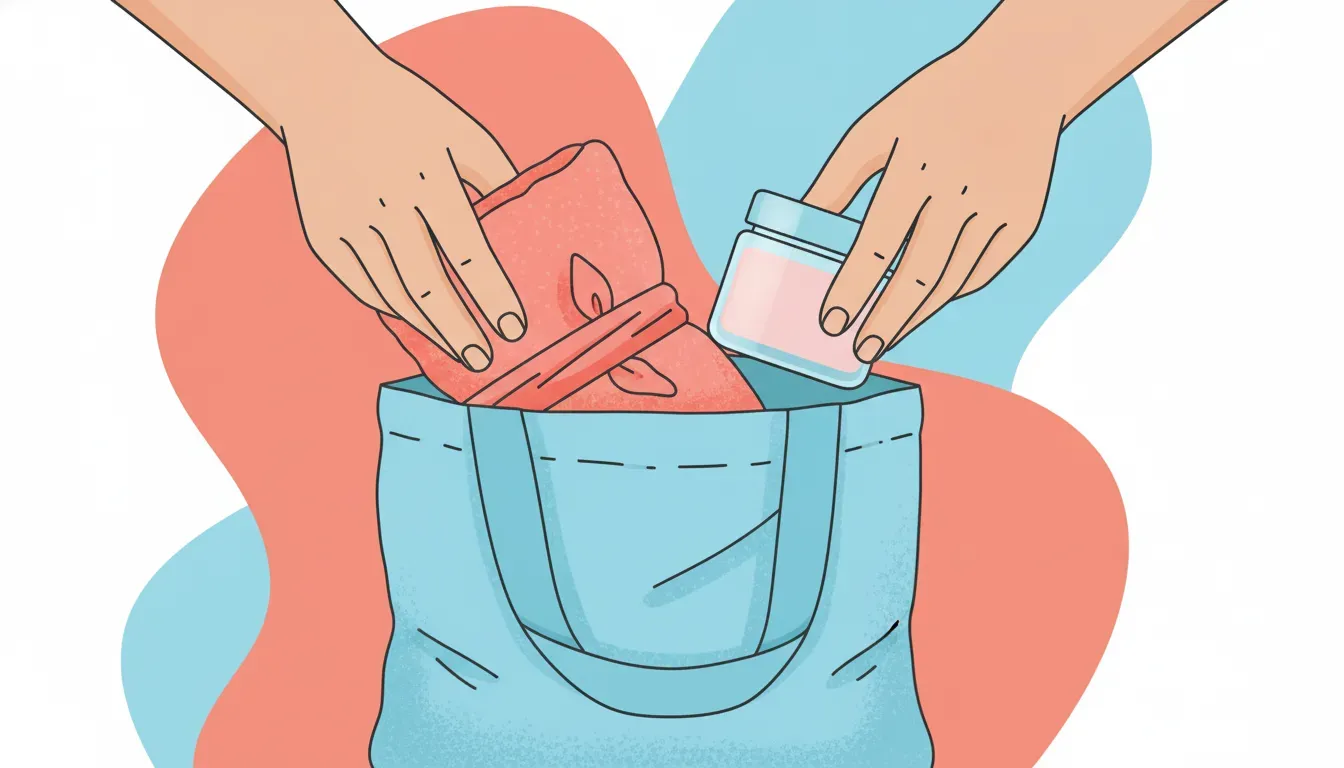
- Decide what actually needs to travel. A routine does not require carrying every product in the bathroom. Use small, clearly identified containers only when they are appropriate for the formula and permitted by the product instructions. Otherwise, keep full-size products in a consistent place at home and pack only the essentials for an overnight stay or long day. A mineral sunscreen can be selected for outdoor schedules; review the tinted mineral sunscreen for outdoor routines with your teen so the choice feels practical and age-appropriate.
- Build shared oversight, not pressure. Parents should check labels, age suitability, and the number of steps, then invite teens to participate in choosing what they can realistically maintain. Bright Girl products are formulated for young skin ages 8-24 and developed by double board-certified dermatologist Angela Casey, M.D. That context can support an informed family decision while leaving room for a teen's preferences and growing independence.
For families comparing formats and routine length, explore Bright Girl skincare products by purpose rather than adding steps automatically. The goal is a polished, portable routine that fits real life and remains easy to revisit.
What Should Parents Check Before Choosing a Formula?
Formula selection is where a simple routine becomes genuinely age appropriate. Start with the label's intended age range, then consider whether the texture, scent, and daily feel will make consistent use realistic. Bright Girl products are formulated for young skin ages 8-24 and developed by double board-certified dermatologist Angela Casey, M.D., giving parents a clear starting point when they want skincare designed with younger users in mind.
Does the formula fit the user's age and skin needs?
Age range is not a marketing detail to skim past. A younger user may need fewer, gentler essentials, while an older teen may have different preferences around finish and routine length. The American Academy of Dermatology recommends a straightforward foundation for tweens: gentle cleansing, a fragrance-free moisturizer, and daily broad-spectrum, water-resistant sunscreen with SPF 30 or higher. Read the AAD's dermatologist guide to teen skincare for the full context.
Look for a formula that has a clear purpose without requiring a complicated stack of products. For example, Bright+Clean is described as a pH-balanced, gentle daily facial cleanser for ages 8 and older, including users with sensitive skin. Parents comparing cleanser options can also review this guide to skincare for sensitive teen skin.
Are scent, texture, and finish comfortable enough for daily use?
Fragrance deserves specific attention, especially when a young person already notices stinging, tightness, redness, or discomfort with products. The AAD notes that added scents can trigger irritation or allergic reactions in sensitive skin, so fragrance-free choices may be a more considered direction for some families. Do not assume that a stronger scent signals better performance.
Texture matters just as much. A moisturizer that feels heavy, sticky, or difficult to layer may be left unused, while a comfortable finish is easier to make part of a morning routine. Parents and teens can compare preferences together, then explore this guide to lightweight moisturizer for teens if a less noticeable feel is the priority. Patch testing a new product according to its label and stopping if discomfort develops is a sensible precaution.
When should a dermatologist be involved?
Ask a dermatologist for individualized guidance when skin concerns are persistent, painful, or worsening. A professional can also help when a concern is difficult to understand or a product reaction does not settle after the product is discontinued. This guidance can help a family choose an age-appropriate plan without turning the routine into a guessing game. Parents should bring product labels and a brief history of what has already been tried to make that conversation more useful.
When Should Sunscreen Be Part of an Active Teen's Routine?
Sunscreen belongs in the daytime routine whenever an active teen will spend meaningful time outside, not only on a planned beach day. The practical question is whether the day includes outdoor walking, commuting, breaks, errands, or time in an open space. A sunscreen that fits comfortably with the rest of the routine is more useful than one saved for special occasions.
Parents can start with the product label. Look for the protection level and directions that match the teen's age and planned use, then apply the product generously to exposed skin before heading outdoors. A review indexed by PubMed advises applying sunscreen 15 to 30 minutes before sun exposure and reapplying 15 to 30 minutes after exposure begins. That timing is a useful planning reference, while the product label remains the guide for application details. Read the sunscreen-use review on PubMed.
Why can a mineral formula be a practical option?
Mineral sunscreen can suit families looking for a straightforward, age-appropriate option for daytime routines. The right choice depends on how the formula feels, looks, and fits the teen's preferences. A finish that feels comfortable and works with the day's clothing or activities is easier to use consistently. Bright Girl's tinted mineral sunscreen for outdoor routines is one option parents and teens can review together, using the product page and label to decide whether it fits their needs.
Reapplication matters when activity may remove sunscreen. The same PubMed-indexed review recommends further application after vigorous activity that can involve sweating, rubbing, toweling, or water exposure. That does not require building a complicated routine. It means keeping the sunscreen accessible and checking the label for when to reapply, especially when outdoor time continues.
For families choosing skincare products for active teens, the goal is a repeatable daytime habit: apply as directed before going outside, pay attention to exposed areas, and reapply according to the label and the day's conditions.
Compare Bright Girl routine options
Frequently Asked Questions
What is a simple skincare routine for an active teen?
Start with a gentle cleanser, a comfortable moisturizer, and broad-spectrum sunscreen for daytime. The American Academy of Dermatology recommends keeping teen routines simple and using products consistently rather than adding many steps (American Academy of Dermatology). Choose formats your teen will actually use on a busy school-to-activity day.
What should parents look for in a teen moisturizer?
Look for a texture that feels comfortable and fits your teen's preferences, whether that means lightweight, smooth, or non-greasy. Fragrance awareness also matters, particularly for sensitive skin. The American Academy of Dermatology notes that added scents can trigger irritation or allergic reactions in some people (American Academy of Dermatology).
How can teens keep skincare portable?
Build around the few products needed for the routine instead of carrying a large collection. A small cleanser, moisturizer, and sunscreen path can make it easier to stay consistent between school, family plans, and activities. Let your teen help choose the finish and packaging they find easiest to use, while a parent checks the ingredient and age guidance.
Is Bright Girl appropriate for teenage skin?
Bright Girl products are formulated for young skin ages 8-24 and developed by double board-certified dermatologist Angela Casey, M.D. Bright+Clean is described as a pH-balanced, gentle daily facial cleanser for ages 8 and older, including sensitive skin. Families should still review each product's directions and select what fits their teen.
When should sunscreen be part of an active teen's routine?
Use sunscreen as part of the daytime routine whenever exposed skin may see sunlight. Follow the product label for application and reapplication, especially around extended outdoor time. A mineral option can be a practical choice when a teen prefers its texture or finish, provided it is used as directed.
Ready to Choose a Simpler Routine?
A streamlined routine can make it easier for your teen to move from school to activities without carrying more products than they will realistically use. Explore Bright Girl's collection to compare age-appropriate, routine-friendly options and choose the essentials that fit your family's preferences. A focused product path can also make daily use feel more manageable for both parents and teens.
