


Skincare for Redness Prone Skin: A Gentle Guide for Teens
When teen skin flushes, stings, or feels tight after cleansing, a longer routine is rarely the best place to start. Redness-prone skin often benefits from fewer, gentler steps that help protect its moisture barrier instead of adding more potential irritants.
The best skincare for redness prone skin is a simple routine with a gentle, pH-balanced cleanser, a supportive moisturizer, and daily mineral SPF. Choose minimal-ingredient formulas, introduce one product at a time, and pause anything that causes burning or persistent discomfort. A calming mask can be an occasional soothing step, but it should not replace everyday barrier care.
Bright Girl's dermatologist-created approach keeps teen skincare approachable: cleanse gently, moisturize consistently, and use mineral sun protection that feels comfortable enough for daily wear. Understanding what makes a routine gentle is the first step toward choosing products that support calmer-looking, healthy skin.
Shop the gentle Bright+Clean gel facial cleanser
What Is the Best Skincare for Redness-Prone Skin in Teens?
The best routine for redness-prone teen skin is usually simple, gentle, and consistent. Instead of layering multiple strong products, look for a short routine with a mild cleanser, a barrier-supporting moisturizer, and mineral sunscreen. This approach helps reduce unnecessary irritation while giving developing skin the daily care it needs.
Dermatologists recommend gentle skincare products because they are less likely to cause irritation or redness. The American Academy of Dermatology recommends gentle care for redness-prone skin, including avoiding products that can feel harsh or drying. For teens and parents comparing skincare for redness prone skin, that means paying attention to the whole formula, not just one attention-grabbing ingredient.
Why do minimal ingredients matter?
A minimalist routine makes it easier to identify what your skin likes and what may be causing discomfort. Simple ingredient lists can reduce the number of potential irritants, especially when skin already feels warm, tight, itchy, or easily flushed. Avoid adding several new products at once. Introduce one product at a time and observe how your skin responds before expanding the routine.
Fragrance-free, non-toxic formulations are a thoughtful starting point for sensitive skin, but “clean” should not mean aggressive or overloaded with actives. A redness-prone routine should focus on comfortable cleansing, hydration, and barrier support. Look for ingredients such as ceramides and calming botanical extracts when they are appropriate for your skin, and be cautious with formulas that leave your face stinging or tight.
How does pH balance support a gentle routine?
pH-balanced products are designed to work with the skin’s natural environment, which can help support a healthy barrier. Bright Girl products are pH-balanced and created for tweens, teens, and young adults by double board-certified dermatologist Angela Casey, M.D. The brand’s Beyond Clean Beauty approach pairs ingredient awareness with age-appropriate skincare education, so the routine stays approachable for both teens and parents.
A practical Bright Girl routine can begin with Bright+Clean daily facial gel cleanser, followed by Day+Bright 24-hour facial moisturizer. In the morning, finish with a Bright+Block mineral sunscreen. For an occasional soothing step, the Calm+Bright calming face mask can fit into a gentle routine when your skin needs extra comfort. Start slowly, keep the routine steady, and stop any product that causes persistent discomfort.
What Causes Redness and Irritation in Teen Skin?
Facial redness can show up after a new product, a long day outside, or a routine that asks too much of developing skin. It can also be connected to concerns such as dryness, acne, eczema, rosacea, or psoriasis. Redness alone does not identify the cause, so think of these possibilities as helpful context rather than a diagnosis.
Which Everyday Triggers Can Make Skin Look Red?
Some triggers are temporary and easy to overlook. The American Academy of Dermatology notes that extreme temperatures, spicy foods, and strong skin care products can all trigger facial redness. Hot weather, cold wind, and sudden changes in temperature may leave the face feeling flushed or uncomfortable. Spicy foods can also cause a short-term warming or flushing response for some people. Paying attention to when redness appears can help you notice patterns without turning your routine into a guessing game.
Sun exposure and dry skin are other common contributors. UV exposure can leave skin irritated, while a lack of moisture may weaken its protective barrier and increase sensitivity. A simple routine with gentle cleansing, moisturizer, and daily mineral sun protection can help reduce avoidable stress on the skin.
Can Skincare Products Cause Irritation?
Yes. Fragrance, alcohol, and astringents can be especially irritating for sensitive or redness-prone skin, according to the American Academy of Dermatology. Strong toners that leave skin feeling tight, heavily fragranced products, and formulas with many active ingredients may be too much for a teen who is still building a routine. More steps do not necessarily mean better results. A short, minimalist routine makes it easier to identify which product your skin likes and which one may be causing discomfort.
Over-exfoliation is another frequent trigger. Scrubbing hard, exfoliating too often, or using a chemical exfoliant that feels harsh can strip the skin and damage its barrier. That damage can lead to more sensitivity and visible redness. If your face stings, burns, feels unusually tight, or becomes more reactive after exfoliating, pause the exfoliant and return to gentle basics. The AAD specifically advises avoiding over-exfoliation because it can worsen sensitivity and redness: learn more about healthier skin care habits.
When choosing skincare for redness prone skin, look for a calm, consistent approach rather than a strong quick fix. Introduce one new product at a time, follow its directions, and patch test it on a small area before applying it across your face. If redness is persistent, painful, spreading, or accompanied by swelling or significant itching, ask a parent or guardian to help you consult a dermatologist.
Which Gentle Cleanser and Moisturizer Support a Healthy Barrier?
When skin looks red or feels easily irritated, the goal is not a complicated routine. A gentle cleanser and a dependable moisturizer can help keep daily care comfortable while supporting the skin barrier, the outer layer that helps hold in moisture and protect against environmental stress. Dermatologists recommend choosing gentle products because they are less likely to trigger additional irritation or redness. The American Academy of Dermatology recommends gentle skin care products for redness-prone skin.
Start with water temperature. Lukewarm water is a better choice than hot water when cleansing because it is less likely to strip natural oils or worsen redness. Use clean fingertips and light pressure, then rinse thoroughly and pat your face dry with a soft towel. Scrubbing, rough washcloths, or repeated cleansing can leave sensitive skin feeling tight and uncomfortable.
How should you choose a daily cleanser?
Look for a gentle daily facial cleanser that removes dirt, oil, and sunscreen without leaving the skin dry or tight. A pH-balanced formula can fit comfortably into a barrier-supportive routine, while a simple ingredient list helps limit the number of potential irritants introduced at once. Fragrance, alcohol, and astringents may aggravate sensitive skin, so redness-prone teens may prefer formulas that keep the cleansing step straightforward.
Bright+Clean gel facial cleanser is designed for daily cleansing and is recommended for all skin types, including sensitive skin. Its pH-balanced positioning makes it a practical first step for a minimal routine. Massage a small amount over damp skin, rinse with lukewarm water, and adjust frequency if your face feels uncomfortable after washing.
What should a barrier-supporting moisturizer contain?
Moisturizer helps replenish hydration after cleansing. Ceramides are especially useful ingredients to look for because they help support the skin barrier and reduce dryness and irritation. Apply moisturizer while skin is still slightly damp to help hold on to water, and use enough to leave the skin comfortable without feeling heavy. If you are introducing a new product, patch test it on a small area first rather than applying it across your entire face.
Day+Bright 24-hour facial moisturizer provides hydration without clogging pores and fits naturally after Bright+Clean. Bright Girl products are pH-balanced to support the skin's natural barrier, reflecting the brand's dermatologist-created approach for tweens, teens, and young adults. Keep the routine consistent for a few days before adding another new product, so you can better understand what your skin needs.
If redness persists, worsens, or comes with pain, swelling, or significant discomfort, ask a parent or guardian about speaking with a dermatologist. A professional can help identify the cause and recommend an appropriate plan.
Your Step-by-Step Skincare Routine for Redness-Prone Skin
When skin flushes easily or feels irritated, a short routine is often easier to follow and gentler to maintain. The goal is to cleanse without stripping, add comfortable hydration, and protect skin from daily environmental stress. Use lukewarm water rather than hot water, which can remove natural oils and worsen redness. A gentle cleanser should remove dirt and oil without leaving skin tight or dry.
- Start the morning with a gentle cleanse. Wet your face with lukewarm water and use a small amount of Bright+Clean gel facial cleanser. Massage lightly with clean fingertips, then rinse thoroughly and pat dry with a soft towel. There is no need to scrub, use a cleansing brush, or wash repeatedly. If your skin feels comfortable in the morning and tends to be very dry, a water rinse may be enough.
- Apply moisturizer while skin is slightly damp. Smooth on a simple moisturizer, focusing on areas that feel dry or tight. Day+Bright 24-hour facial moisturizer is designed to provide hydration without clogging pores. Bright Girl products are pH-balanced to support the skin's natural barrier, and barrier-supportive hydration can help reduce dryness and irritation. Give the moisturizer a moment to settle before applying sunscreen.
- Finish with mineral SPF every morning. Apply Bright+Block mineral sunscreen as the last skincare step before makeup, if you wear it. Mineral formulas use zinc oxide or titanium dioxide and are often recommended for sensitive skin because they may be less irritating than chemical sunscreen formulas. Daily sunscreen matters for redness-prone skin because UV exposure can contribute to inflammation. Reapply according to the product directions when spending extended time outdoors.
-
Cleanse gently at night. Use Bright+Clean with lukewarm water to remove sunscreen, dirt, and oil. Keep pressure light and rinse completely. Pat, rather than rub, your face dry. Removing the day's buildup is helpful, but extra cleansing is not automatically better.
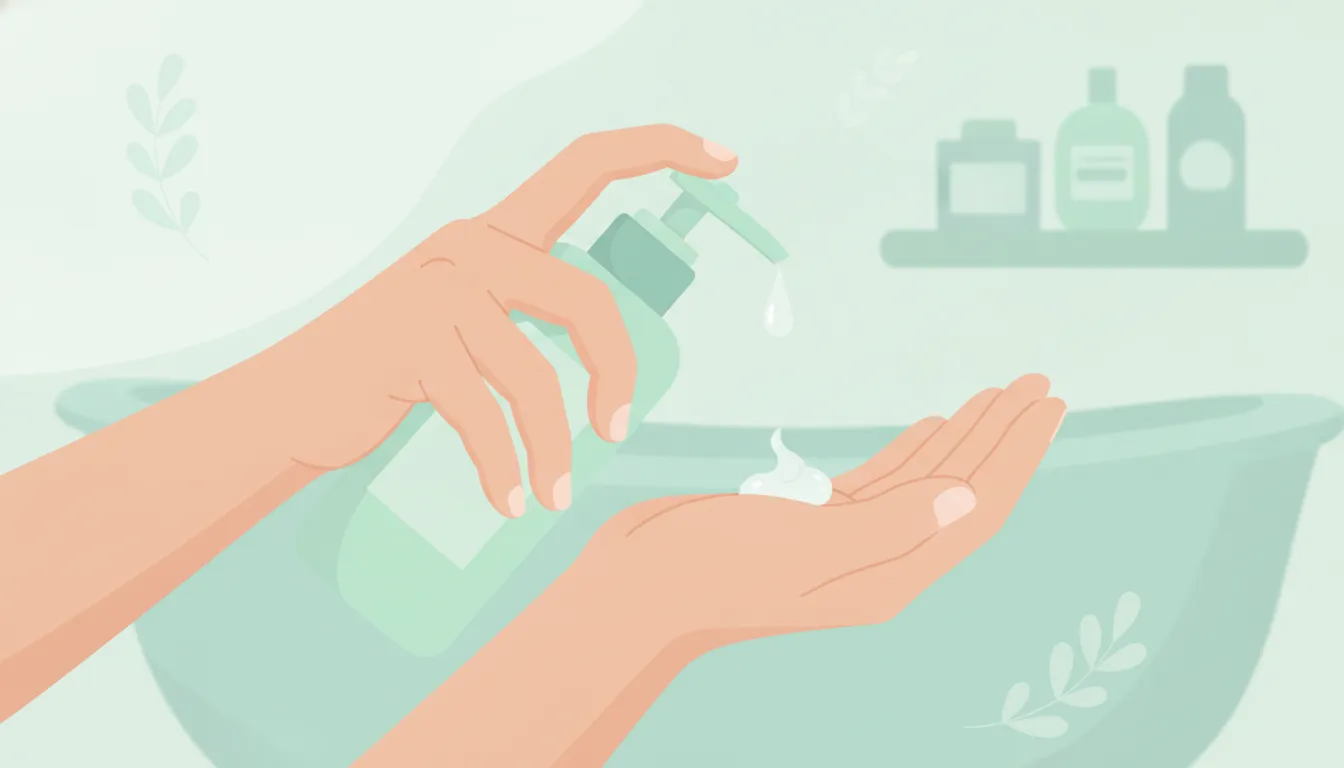
After cleansing, keep the evening routine simple. If you add a new product, test it on a small area first rather than applying it immediately across your entire face.
- Replenish moisture in the evening. Apply Day+Bright while your skin is still comfortable and slightly damp. If a product stings persistently, stop using it and ask a parent or dermatologist what to try next.
- Add a calming mask once or twice weekly, if your skin agrees. On a non-exfoliation night, apply the Calm+Bright calming face mask according to its directions, then follow with moisturizer. A gentle mask may provide temporary soothing, but it should not replace your daily cleanser, moisturizer, or SPF routine.
Skip harsh scrubs, strong astringents, and frequent exfoliation while your skin is reactive. Over-exfoliating can damage the barrier and increase sensitivity. If redness is persistent, painful, itchy, spreading, or accompanied by other symptoms, ask a parent or guardian about scheduling a dermatologist visit.
Mineral SPF vs Chemical Sunscreen for Sensitive Skin
Sun protection is an important part of skincare for redness-prone skin. Ultraviolet exposure can contribute to inflammation, so daily sunscreen helps protect skin that already feels reactive or easily flushed. The best formula is one you can apply comfortably and consistently, but the type of UV filter matters when your skin is sensitive.
Mineral sunscreens use zinc oxide or titanium dioxide, often called physical filters. They sit on the skin's surface and help block UV rays before they can reach the skin. Chemical sunscreens absorb UV radiation and convert it into heat. Both types can provide sun protection when properly formulated, but the American Academy of Dermatology notes that dermatologists often recommend mineral formulas for sensitive skin because they are less likely to cause irritation. Read the AAD guidance on healthier-looking skin for additional sunscreen recommendations.
| Consideration | Mineral sunscreen | Chemical sunscreen |
|---|---|---|
| How it works | Zinc oxide or titanium dioxide sits on the skin and helps block UV rays. | Organic chemical filters absorb UV radiation and convert it into heat. |
| Sensitive-skin fit | Often a gentler choice for redness-prone skin because the filters are less likely to irritate. | Can work well for some people, but certain formulas may sting or feel uncomfortable on reactive skin. |
| Finish | May leave a visible cast, although sheer and tinted options can make application easier. | Often feels lightweight and blends invisibly, depending on the formula. |
| What to prioritize | Choose a broad-spectrum, comfortable formula you will use every day. | Choose a fragrance-free formula that does not sting, dry, or increase visible redness. |
For a lightweight option, Bright+Block Sheer SPF 40 uses mineral sun protection and is designed to blend easily into a daily routine. If you prefer a little coverage, Bright+Block Tinted SPF 44 offers a tinted mineral finish for the face. Both choices can fit into an age-appropriate routine built around gentle, pH-balanced skincare.
Whichever formula you choose, apply it as the final morning skincare step and reapply as directed, especially during extended outdoor time. If a new sunscreen causes burning, itching, or persistent redness, stop using it and patch test future products on a small area before applying them to your entire face. Comfort is not a bonus for sensitive skin; it is what makes daily protection sustainable.
Which Calming Ingredients Help Teen Skin, and Which Should You Avoid?
When choosing skincare for redness prone skin, a shorter ingredient list is often a smart place to start. Easily irritated skin has fewer variables to react to, and a minimalist routine makes it easier to notice which products feel comfortable and which do not. The American Academy of Dermatology recommends simple skincare for sensitive skin, rather than layering multiple strong formulas at once.
Look for ingredients that support the skin barrier and help maintain comfortable hydration. Ceramides are lipids naturally found in the skin. In a moisturizer, they can help support the barrier and reduce dryness-related irritation. Low-concentration niacinamide may also be a gentle option for some teens, while soothing botanical extracts can add comfort without making the routine feel overly active. Ingredient tolerance varies, so even a commonly recommended ingredient may not suit every person.
Bright Girl follows a Beyond Clean Beauty approach focused on age-appropriate, pH-balanced skincare and clear ingredient choices. For a soothing step, Calm+Bright calming face mask features a gentle, botanical-minded approach for skin that feels stressed or uncomfortable. Use a calming mask once or twice weekly if your skin responds well, rather than adding it every day. The goal is a simple routine that supports healthy habits, not an overloaded shelf of active products.
Which ingredients can make redness feel worse?
Be cautious with added fragrance, drying alcohols, and harsh astringents. These ingredients can irritate sensitive skin and make visible redness more noticeable, according to the American Academy of Dermatology. Strong products are not automatically better products. For teens, an intense tingling or tight feeling is a reason to pause, not proof that a formula is working.
Over-exfoliating is another common source of trouble. Frequent scrubs, acid products, or other exfoliating steps can strip the skin and weaken its barrier, increasing sensitivity. Keep exfoliation limited or skip it while skin feels reactive. A gentle cleanser, moisturizer, and sunscreen are usually more useful foundations than repeatedly switching to stronger products.
How should you patch test a new product?
Before applying a new formula across your face, patch test a small amount on a discreet area of skin and watch for a reaction. The AAD notes that testing first can help identify sensitivity before widespread irritation occurs. Introduce one new product at a time, and stop using it if you notice persistent burning, itching, swelling, or worsening redness. If symptoms continue, ask a parent or guardian to help you consult a dermatologist.
When Should a Teen See a Dermatologist About Facial Redness?
Mild redness can happen when teen skin is irritated by a new product, too much cleansing, weather changes, or friction. If the redness settles after simplifying the routine, a gentle cleanser, moisturizer, and daily mineral sunscreen may be a sensible place to start. Dermatologists recommend gentle skincare products because they are less likely to cause additional irritation or redness.1
Professional guidance is especially worthwhile when redness does not improve after you remove obvious irritants and give your skin time to recover. A board-certified dermatologist can review the timing, pattern, and possible triggers without asking you to guess at a diagnosis. They can also help you build an age-appropriate routine and decide whether a product, ingredient, or other evaluation belongs in the next step.
Which redness symptoms deserve professional guidance?
Make an appointment if facial redness is persistent, painful, spreading, or repeatedly returning without a clear explanation. Ask for guidance when redness appears alongside other signs.
- Small bumps or changes in skin texture.
- Flaking, scaling, cracking, or marked dryness.
- Visible blood vessels that do not fade.
- Stinging, burning, itching, or tenderness.
- Swelling, warmth, or discomfort that interferes with school, sports, sleep, or daily life.
These signs do not identify a specific condition on their own. They simply indicate that a professional should take a closer look, particularly if symptoms are worsening or affecting confidence. Seek prompt medical advice for sudden, severe swelling, trouble breathing, or redness accompanied by other serious symptoms.
How can a dermatologist support a teen skincare routine?
Before the visit, write down when the redness began, where it appears, what makes it better or worse, and every product used on the area. Bring product labels or clear photos of them. Until you receive guidance, avoid scrubbing, picking, frequent product changes, and strong exfoliating steps. Keep the routine comfortably simple and stop any product that causes notable burning or worsening redness.
Bright Girl was created by double board-certified dermatologist Angela Casey, M.D., for developing skin ages 8 to 24. That dermatologist-created perspective shapes the brand's focus on pH-balanced, approachable formulas and healthy skincare habits. It does not replace an individual appointment, but it can help teens and parents choose a simpler starting point while they decide whether professional guidance is needed.
Shop soothing, gentle Bright Girl skincare
Frequently Asked Questions
What is the best skincare for redness and sensitive skin?
Start with a short routine: a gentle cleanser, a fragrance-free moisturizer that supports the skin barrier, and mineral sunscreen. Choose simple formulas, introduce one new product at a time, and patch test it on a small area before applying it to your face. The American Academy of Dermatology recommends gentle skincare products because they are less likely to cause irritation or redness. Learn more from the AAD.
What ingredients should be avoided for redness-prone skin?
Be cautious with fragrance, alcohol, astringents, and strong exfoliating products, especially when your skin already feels tight, warm, or stings. Over-exfoliating can weaken the skin barrier and increase sensitivity. A minimalist routine makes it easier to identify a product that does not agree with your skin. The AAD lists common irritants here.
Is sunscreen necessary for redness-prone skin?
Yes. Daily sunscreen helps protect sensitive skin from UV exposure, which can contribute to inflammation. Mineral formulas with zinc oxide or titanium dioxide are often a comfortable option for easily irritated skin. Apply sunscreen as the final morning skincare step, then reapply as directed on the product label. Review sunscreen guidance from the AAD.
When should a teen see a dermatologist about facial redness?
Ask a parent or guardian to help schedule a dermatology visit if redness is persistent, painful, itchy, spreading, or accompanied by bumps, swelling, or eye symptoms. A dermatologist can help identify possible triggers and recommend a routine suited to the skin's needs. Seek prompt medical care for sudden redness with swelling or trouble breathing.
Ready to Build a Calmer Teen Skincare Routine?
A simple routine with gentle, minimal-ingredient products can make daily skincare feel more comfortable for redness-prone skin. Start with a soothing step that supports your teen's broader cleanser, moisturizer, and mineral SPF routine.
Shop Calm+Bright calming face mask and gentle Bright Girl skincare
