


Successful Dermatologist Skincare Tips for Teens
Teen skin does not need a complicated shelf of products to look and feel supported. Consistent, gentle habits can help protect the skin barrier while making daily care easier for teens and the parents guiding them.
The most useful dermatologist skincare tips for teens are to cleanse gently morning and night, moisturize daily even when skin feels oily, and apply broad-spectrum mineral SPF 30 or higher each morning. A simple routine is usually more helpful than constantly switching products or following every trend.
Bright Girl was created by double board-certified dermatologist Angela Casey, M.D., to support age-appropriate skincare with a refined, education-led approach. The right routine starts with understanding what teen skin needs, then choosing products that are gentle, pH-balanced, and consistent with those priorities.
Shop gentle skincare for teens
What Are the Most Important Dermatologist Skincare Tips for Teens?
The best routine is usually the one a teen can follow consistently. Rather than layering trendy products or changing routines every few days, start with three steady habits: cleanse gently in the morning and evening. Moisturize every day, and apply broad-spectrum mineral SPF 30 or higher each morning. This simple foundation supports healthy skin without making skincare feel complicated.
Cleanse Gently Twice a Day
Wash your face once in the morning and once at night to remove excess oil, sweat, makeup, and everyday impurities. Twice-daily cleansing is generally recommended to help manage oil while avoiding unnecessary irritation to the skin barrier. Use lukewarm water and a gentle, soap-free cleanser. Avoid scrubbing hard, using rough cloths, or washing repeatedly whenever your skin feels oily.
More cleansing is not necessarily better. Constantly trying new products or rubbing the skin too much can worsen irritation and make acne-prone skin more difficult to manage, according to the National Institutes of Health. A soap-free cleanser with a skin-friendly pH may be a better choice than traditional soap, which can be more irritating.
Moisturize Even If Your Skin Is Oily
Apply a lightweight moisturizer after cleansing. Oily skin still needs hydration, and skipping moisturizer can leave the skin feeling tight and uncomfortable. Look for a formula made for sensitive or acne-prone skin, especially one that feels comfortable enough to use every day. Moisturizing should not be reserved for winter or for visibly dry skin. It is a basic part of maintaining a balanced routine.
For families who want a streamlined place to begin, Bright Girl offers dermatologist-backed skincare essentials designed around age-appropriate, gentle habits.
Use Mineral SPF 30 or Higher Every Morning
Finish your morning routine with broad-spectrum mineral sunscreen rated SPF 30 or higher. Daily sun protection matters across skin tones and weather conditions. Choose a product that fits naturally into the routine, then apply enough to cover exposed skin. The Mayo Clinic recommends reapplying sunscreen every two hours, or more often after swimming or sweating.
These dermatologist skincare tips for teens work because they are practical, repeatable, and gentle. Give the routine time before deciding it needs more steps. If a product stings, burns, or causes persistent irritation, stop using it and ask a parent or dermatologist for guidance.
How Should Teens Cleanse Without Overdoing It?
For teen skin, cleansing should leave the face comfortable and fresh, not tight, hot, or squeaky-clean. A simple morning-and-night habit is usually enough for removing overnight oil, sweat, sunscreen, makeup, and everyday environmental impurities. Washing twice daily can help manage oil while avoiding unnecessary irritation to the skin barrier, which is an important foundation for healthy adolescent skin. Learn more about dermatologist-backed skincare essentials.
Choose a gentle, pH-balanced cleanser
Look for a soap-free cleanser with a skin-friendly pH, rather than a traditional bar soap or a formula that leaves the face feeling stripped. Normal soaps can have a pH of 8 to 10. While soap-free cleansers around pH 5.5 are more suitable for acne-prone skin because they are less likely to irritate it. This does not mean a cleanser needs to be complicated. A mild gel with a short, thoughtful ingredient list can be an excellent starting point.
Bright+Clean daily facial gel cleanser is one approachable example of the kind of cleanser that can fit this step. Use a small amount with lukewarm water, massage it gently across the face with clean fingertips, and rinse thoroughly. Lukewarm water is preferable to very hot water, which can leave sensitive skin feeling dry and uncomfortable.
Skip scrubbing and repeated washing
More cleansing is not automatically better. Avoid rough washcloths, abrasive scrubs, brushes, and vigorous rubbing, especially over active breakouts. Friction can increase irritation and make a routine harder for skin to tolerate. After rinsing, pat the face dry with a clean, soft towel instead of dragging it across the skin.
Over-cleansing can also create a frustrating cycle. Less is often more for acne-prone skin: constantly trying new products or touching and rubbing the face too much can worsen irritation and make acne appear worse. If a new cleanser causes persistent stinging, burning, or tightness, pause and reassess instead of adding another product to counteract the discomfort.
Keep the habit consistent
Teens and parents may be tempted to change products every few days when a breakout appears, but skin needs time to adjust. Start with one gentle cleanser and use it consistently morning and night. After cleansing, follow with the rest of a simple routine, such as moisturizer and daytime mineral sun protection. This steady approach is more supportive than chasing every viral product or building a complicated routine that is difficult to maintain.
Should Teens Use a Moisturizer Every Day?
Yes. Daily moisturizer is an important part of a balanced teen skincare routine, including for skin that feels oily or is prone to breakouts. Cleansing removes surface oil and impurities, but it does not replace hydration. A moisturizer helps support the skin barrier so skin can stay comfortable and better tolerate a simple, consistent routine.
Skipping moisturizer may also work against oily skin. When skin becomes dry or stripped, it can respond by producing more oil to compensate. That extra oil may contribute to a greasy feel and can make breakouts more likely. Bright Girl's dermatologist-recommended guidance emphasizes that even oily skin needs hydration: consistency matters more than trying to eliminate every trace of shine. Learn how to choose a dermatologist-recommended moisturizer for your skin type.
What type of moisturizer is best for oily or acne-prone teen skin?
Look for a lightweight, non-comedogenic formula that hydrates without feeling heavy. Oil-in-water emulsions and moisturizing gels, including hydrogel-style formulas, are often recommended for acne-prone skin because they are less likely to clog pores than greasy products. This guidance is supported by dermatology reference material from the National Institutes of Health: oil-in-water emulsions and moisturizing gels are often suitable for acne-prone skin.
Texture matters because a moisturizer teens enjoy using is more likely to become a dependable habit. A lightweight formula can be applied after cleansing in the morning and evening, without making the routine feel complicated. If skin is especially sensitive, choose a gentle, pH-balanced product and introduce one new product at a time. That makes it easier to notice whether the formula feels comfortable for the individual skin type.
How can teens add moisturizer to a daily routine?
After cleansing, gently pat the face dry and apply a small amount while the skin still feels slightly fresh. In the morning, moisturizer can sit beneath mineral sunscreen. At night, it can be the final step after cleansing. Day+Bright 24-hour facial moisturizer is designed as a straightforward reference for this kind of daily hydration step, helping keep an age-appropriate routine simple and manageable.
Parents can support the habit by focusing on comfort and consistency rather than perfection. Teens do not need a shelf full of trending products to care for their skin. A gentle cleanser, suitable moisturizer, and daytime sun protection provide a practical foundation. If a new moisturizer causes persistent stinging, redness, or discomfort, stop using it and ask a parent or dermatologist for guidance.
Why Sunscreen Is Non-Negotiable for Teen Skin
If there is one morning skincare step worth making automatic, it is sun protection. Dermatologists recommend applying a broad-spectrum sunscreen with SPF 30 or higher every morning, then reapplying at least every two hours. Reapply sooner after swimming, sweating, or wiping your face. This guidance applies on cloudy days, too, and to every skin tone. Ultraviolet exposure does not disappear when the sky is overcast, and sun protection is an important part of caring for skin over time.
For teens, consistent SPF matters for more than a beach day. Sun exposure can contribute to visible skin changes and may intensify pigmentation changes, including the appearance of marks left after breakouts. Broad-spectrum mineral protection is especially important for teen skin, including acne-prone skin, according to Bright Girl's dermatologist-informed skincare guidance. Mayo Clinic recommends a broad-spectrum SPF of at least 30 and reapplication every two hours, while Bright Girl emphasizes mineral protection across teen skin types.
Why Choose Mineral SPF?
Mineral sunscreens use zinc oxide, titanium dioxide, or both to provide UV protection. These filters can be a gentler choice for sensitive teen skin than formulas that rely on chemical sunscreen filters. The best sunscreen is one a teen can apply comfortably and consistently, without a heavy feel that makes the routine difficult to maintain.
Bright+Block mineral sunscreen gives teens and parents an age-appropriate option for this daily habit. Choose the finish that fits your preference, then apply enough to cover exposed skin evenly. Face, ears, neck, and any exposed areas deserve attention. If a teen wears makeup, sunscreen still belongs underneath it, and a reapplication plan can help during long outdoor days.
Application technique matters, too. Use a generous, even layer rather than a quick swipe across the center of the face. Cover the hairline, jawline, ears, and neck, then allow the product to settle before heading outside. A teen who plays sports, walks to school, or spends time outdoors should keep sunscreen where it is easy to reach and make reapplication part of the plan. Parents can help by keeping a travel-size option in a backpack or sports bag.
Product labels and ingredient lists also deserve a closer look, particularly when skin is sensitive or easily irritated. For more guidance on choosing safe, non-toxic skincare ingredients, review which formulation choices support a simple, age-appropriate routine. Sun protection should feel like a dependable part of that routine, not an occasional add-on.
What Does a Simple Daily Skincare Routine for Teens Look Like?
The most effective routine is usually the one a teen can follow consistently. A dermatologist-informed approach centers on a few gentle habits rather than a crowded shelf of trending products. Morning care should prepare skin for the day, while evening care removes buildup and supports the skin barrier overnight.
For adolescents, age-appropriate simplicity matters. Young skin does not need a complex adult regimen, and adding several potent actives at once can create irritation instead of progress. Retinoids, exfoliating acids, and other strong ingredients may be too harsh for some young or sensitive skin. The American Academy of Pediatrics explains that trendy routines can expose tweens and teens to products that are not designed for developing skin. So discuss any active-heavy product with a dermatologist before using it: HealthyChildren.org guidance on trendy teen skincare.
Use this simple framework as a starting point. Adjust product textures to the skin's needs, but keep the order and habits steady.
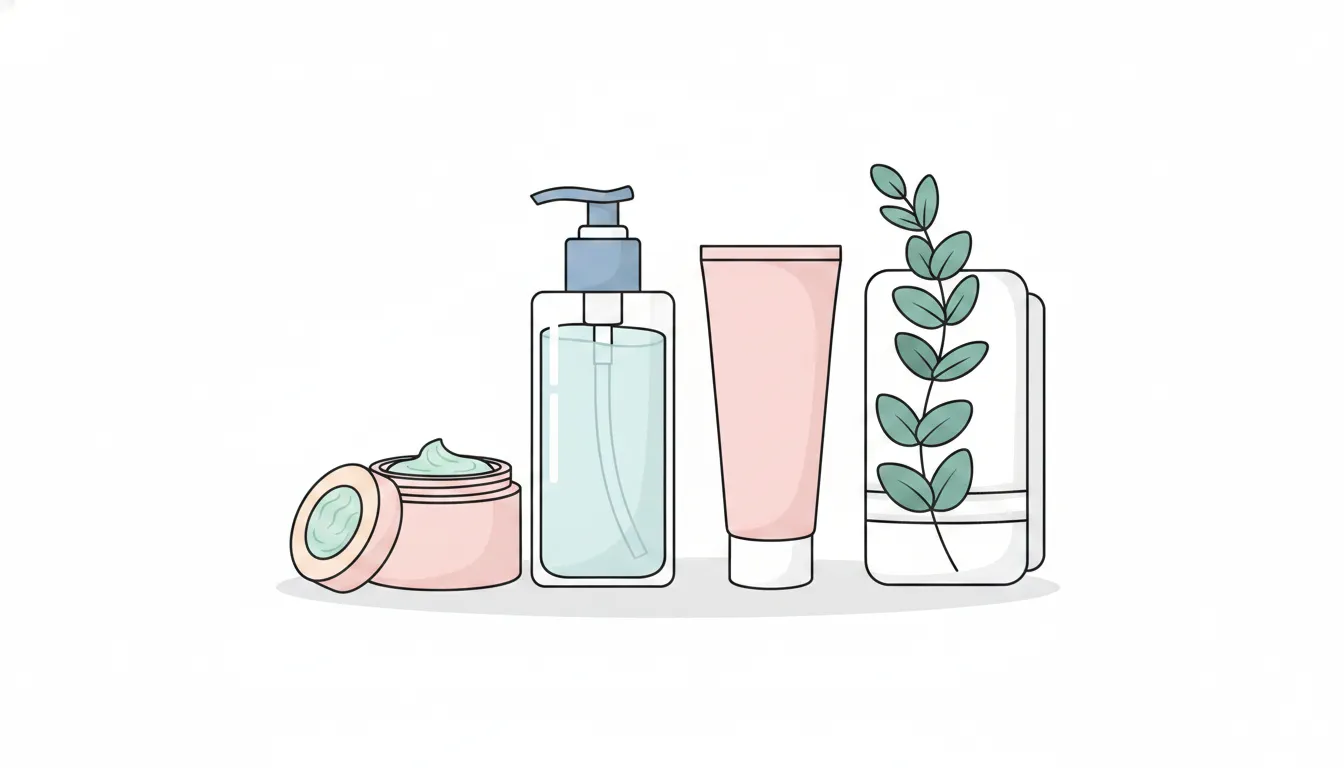
- Morning: cleanse gently. Wash with a mild, pH-balanced cleanser to remove overnight oil and impurities. Use lukewarm water and your fingertips, not a rough scrub or brush. Washing twice daily, in the morning and at night, can help manage oil without unnecessarily irritating the skin barrier.
- Morning: moisturize. Apply a lightweight moisturizer while skin is slightly damp. Oily or acne-prone skin still benefits from daily hydration, and a gel or oil-in-water formula may feel comfortable without a heavy finish. Choose a non-comedogenic option when clogged pores are a concern.
- Morning: apply broad-spectrum SPF. Finish with a broad-spectrum mineral sunscreen rated SPF 30 or higher. Apply it to exposed skin before heading outdoors, and reapply every two hours when outside for an extended period, or sooner after swimming or sweating. Sun protection is a core healthy-skin habit for every skin tone and season.
- Evening: cleanse again. Remove sunscreen, makeup, sweat, and the day's environmental buildup with the same gentle cleanser. More scrubbing is not better. Over-cleansing and constantly switching products can increase irritation, especially when skin is already reactive.
- Evening: moisturize. Reapply a comfortable moisturizer to support overnight hydration. Keep the evening routine intentionally uncomplicated unless a dermatologist recommends a specific acne or skin-care product. Give each new product time to show how your skin responds instead of adding several changes together.
Consistency gives teens a clearer way to understand what their skin needs. If a product causes persistent burning, peeling, or a rash, stop using it and ask a parent or dermatologist for guidance.
| Step | Morning | Evening |
|---|---|---|
| Cleanse | Gentle, pH-balanced cleanser with lukewarm water | Same gentle cleanser to remove SPF, makeup, and buildup |
| Moisturize | Lightweight, non-comedogenic moisturizer on slightly damp skin | Comfortable moisturizer to support overnight hydration |
| Protect | Broad-spectrum mineral SPF 30 or higher over moisturizer | No sunscreen needed; keep the evening routine simple |
When Should a Teen See a Dermatologist?
Most teens can begin with a simple, gentle routine. However, a dermatologist can offer helpful guidance when breakouts are more than an occasional inconvenience or when skincare is starting to affect everyday life. Consider making an appointment if breakouts are severe, continue despite a consistent over-the-counter routine, feel painful or deep, or leave dark marks or scars.
Scarring is an important reason not to wait and hope the problem resolves on its own. Repeatedly squeezing or picking at pimples can push material deeper into the skin and increase the likelihood of long-term scarring. A dermatologist can assess the pattern of breakouts and recommend an age-appropriate plan, while helping your teen replace frustrating trial and error with clear next steps. Learn more about why squeezing pimples can worsen scarring.
When breakouts affect confidence or daily routines
Skin concerns deserve attention even when they do not look severe to someone else. If a teen avoids photographs, social activities, sports, school, or other parts of life because of their skin, that is a meaningful reason to seek professional support. Parents can start the conversation without blame or pressure: ask how the breakouts feel, listen to what has already been tried, and offer to help schedule a visit.
A visit is also worthwhile when a teen is using several products, changing routines frequently, or experiencing stinging, peeling, tightness, or persistent redness. More products are not automatically better. Acne products should balance effectiveness with gentleness, soothe irritation, and support the skin barrier rather than burning or stripping it. Review safe, non-toxic skincare ingredients for teens.
What a dermatologist visit can clarify
This article is educational and cannot diagnose a skin condition. A dermatologist can evaluate the skin in person, explain what may be contributing to the concern, and help determine which ingredients, products, or professional options are appropriate. Bring a list or photos of current products, how often they are used, and any reactions that have occurred. Until the appointment, keep the routine calm and consistent: cleanse gently, moisturize, protect the skin from the sun, and avoid picking. Seeking help is not an admission that a teen has done anything wrong. It is a practical step toward healthier habits and greater confidence.
Explore dermatologist-created skincare for teens
Frequently Asked Questions
What are the most important dermatologist skincare tips for teens?
Keep the routine simple and consistent: cleanse gently, moisturize daily, and apply broad-spectrum mineral sunscreen each morning. Washing twice daily can help remove excess oil and environmental impurities without overworking the skin. Avoid scrubbing, picking, and constantly switching products, since irritation can make breakouts harder to manage. Mayo Clinic also emphasizes consistent cleansing and sun protection.
How can teens develop a healthy skincare routine?
Attach skincare to habits that already happen every day, such as brushing teeth. In the morning, cleanse, moisturize, and apply sunscreen. At night, cleanse and moisturize again. Give each routine time to become comfortable before adding another product, and choose gentle, age-appropriate formulas rather than copying complicated trends. Consistency matters more than the number of steps.
Should teens use moisturizer every day?
Yes. Oily or blemish-prone skin still needs hydration to support its protective barrier. A lightweight, non-comedogenic lotion or gel can be a practical choice. Skipping moisturizer may leave skin feeling tight and can encourage excess oil production, according to Bright Girl's dermatologist-guided moisturizer advice. Apply it after cleansing while skin is slightly damp.
What is the best way to choose skincare products for teen skin?
Look for simple, fragrance-conscious formulas labeled non-comedogenic, pH-balanced, and suitable for sensitive skin. A soap-free cleanser with a skin-similar pH can be gentler than traditional soap, which commonly has a pH of 8 to 10. For sunscreen, choose broad-spectrum SPF 30 or higher and reapply every two hours, or more often after swimming or sweating, as Mayo Clinic recommends.
Ready to Build a Simpler Skincare Routine?
Healthy skincare habits are easier to maintain when products are gentle, age-appropriate, and chosen with your skin's needs in mind. Bright Girl brings dermatologist-created guidance and thoughtfully formulated essentials together for teens and the parents who support them. Shop the collection to find a simple place to begin.
