


Clean Face Cream for Teens: What to Look For
Finding a clean face cream for teens should be more thoughtful than picking the prettiest jar on a shelf. Teens and parents need a formula that feels comfortable, supports hydration, fits the rest of a simple routine, and makes its ingredient and age guidance easy to understand. Here is a practical way to compare those details before you buy.
Shop Day+Bright Facial Moisturizer
Why Does a Clean Face Cream for Teens Matter?
A clean face cream for teens should combine transparent ingredient communication with a comfortable, age-appropriate formula. The goal is not the longest ingredient list or the most dramatic promise. It is a daily moisturizer that helps young people build consistent habits while parents can quickly understand what they are choosing.
Teen skin can feel dry after cleansing, oily by midday, or different from one week to the next. A moisturizer does not need to be complicated to be useful. Look for a formula that adds comfortable hydration without a heavy finish, works with the teen's skin type, and fits a routine they will actually repeat.
Clean beauty is also not a substitute for reading the label. The U.S. Food and Drug Administration explains that cosmetic manufacturers are responsible for ensuring products are safe when used as directed, and that "natural" does not automatically mean safe. A thoughtful shopper evaluates the complete formula, directions, intended age, and personal preferences.
Quick answer: Look for a clean face cream for teens with clear age guidance, a comfortable texture, transparent ingredients, useful hydration, and pore-conscious positioning. A pH-balanced label and disclosed fragrance can help with comparison, but no single claim replaces checking the full formula and personal fit.
Which Ingredients and Label Details Should You Check?
When comparing a clean face cream for teens, start with the complete ingredient list and the product directions. Prioritize hydration support, a texture that suits the skin, clear age guidance, and straightforward claims. A short checklist makes it easier to compare products without getting distracted by trend-driven language.
Look for practical hydration support
Ingredients such as glycerin, sodium hyaluronate, squalane, plant oils, and emollients can appear in moisturizing formulas. Their roles differ, so think about the whole formula rather than searching for one magic ingredient. Humectants help attract water, while emollient ingredients help create a smoother, more comfortable feel.
Read the complete formula, not just the front label
Words such as clean, botanical, and non-toxic are useful starting points, but they do not tell you everything about a product. Check the full ingredient list, directions, size, age guidance, and any fragrance disclosure. If a teen has a known allergy or a history of reactions, a parent or dermatologist can help review the ingredient list.
Use a simple comparison checklist
- Hydration: Does the formula address a dry or tight feeling without leaving a greasy layer?
- Texture: Will it feel comfortable under sunscreen, makeup, or nothing at all?
- pH positioning: Does the brand clearly explain that the formula is pH-balanced?
- Fragrance: Is fragrance disclosed, and does the teen prefer a scented or fragrance-free product?
- Pore-conscious wording: Does the product provide clear non-comedogenic or non-pore-clogging guidance?
- Age fit: Does the brand state that the formula is intended for young skin?
- Routine fit: Can the teen use it after cleansing and before daytime sun protection?
How Should the Texture and Finish Feel?
The right texture depends on the teen's skin and habits, but a daily face cream should feel easy to apply and easy to wear. Lightweight lotion, gel-cream, and fluid textures often suit teens who dislike heaviness. A richer cream may feel better for dry skin, especially when used at night.
Texture is not just a sensory detail. If a moisturizer feels sticky, pills under sunscreen, or sits heavily on the face, a teen may skip it. If skin is dry, a comfortable emollient feel can be welcome. If skin is combination or oily, a light layer may be easier to wear consistently. The American Academy of Dermatology's moisturizer guide also recommends considering skin type when comparing products.
| What the shopper notices | What to compare | Helpful question |
|---|---|---|
| Dry or tight feeling | Humectants and emollients, plus a comfortable finish | Does skin feel comfortably hydrated after application? |
| Oily or combination skin | Lightweight, non-greasy, pore-conscious positioning | Will it feel manageable through the school day? |
| Sensitive-feeling skin | Ingredient transparency, fragrance preference, and gentle directions | Can the family review the formula before use? |
| Active routine | How it layers with sunscreen or makeup | Does it sit smoothly under the next step? |
For any new product, start with a small amount and follow the label directions. A small test area can help a family decide whether the product feels comfortable. Stop use and ask a qualified healthcare professional for guidance if a product causes a concerning reaction.
Does pH Balance Matter in a Teen Face Cream?
pH balance is one useful consideration when choosing a teen moisturizer because skin has a naturally acidic surface environment. A pH-balanced label signals that the formula was designed with skin compatibility in mind, but it is not a promise that one product will suit every person. Consider pH alongside texture and ingredients.
There is no need for teens to turn skincare into a home chemistry project. Instead, look for clear product information from a brand that explains its formulation choices. Pair a moisturizer with a gentle cleanser, avoid stacking too many new products at once, and keep the routine simple enough to follow.
Bright Girl describes its products as Beyond Clean Beauty, combining ingredient awareness with formulations designed for young skin. Its Beyond Clean Beauty approach explains the brand's ingredient standards and dermatologist-led product development.
Should Teens Choose Fragrance-Free or Scented Cream?
Fragrance preference is personal, but it deserves a place on the shopping checklist. Some teens enjoy a light scent, while others prefer fragrance-free products or want to minimize unnecessary sensory ingredients. The best choice is the one that matches the teen's preferences and any guidance from a healthcare professional.
Do not assume that a botanical scent is automatically gentler, or that fragrance-free means a formula is right for every person. Read the ingredient list and pay attention to how the skin feels after use. For families comparing options, transparent disclosure is more useful than a vague promise on the front of the package.
If the teen already knows that fragrance is a concern, choose a product with clear labeling and introduce it carefully. If the formula includes fragrance, the shopper should be able to see that information before purchase. This is one reason ingredient-aware shopping matters more than relying on a single clean beauty badge.
Is a Non-Comedogenic Face Cream Better for Pore-Conscious Teens?
Non-comedogenic wording can be helpful for teens who are cautious about clogged pores, but it should be viewed as one selection criterion rather than a universal guarantee. Compare the full formula, use a comfortable amount, and observe how the skin responds. The American Academy of Dermatology notes that moisturizer can be useful for people with acne-prone skin.
Even oily skin can need hydration, especially after cleansing. A moisturizer that feels light and comfortable may help a teen avoid skipping this step. However, persistent or concerning skin changes deserve individual guidance from a dermatologist rather than a product swap alone.
Bright Girl's Bright+Clean Gel Facial Cleanser is positioned as a gentle, pH-balanced cleanser for ages 8 and up. Following cleansing with a moisturizer creates a simple two-step foundation without asking a teen to use a long list of products.
How Does Day+Bright Fit the Clean Face Cream Checklist?
Day+Bright Facial Moisturizer is Bright Girl's dermatologist-developed daily moisturizer for young skin ages 8 to 24. The product page describes it as lightweight, non-greasy, pH-balanced, and suitable for oily, dry, and combination skin. It also uses non-comedogenic wording and positions the formula for daily hydration after cleansing.
That combination makes Day+Bright a natural product to evaluate against the checklist above. It is not presented as a complicated multi-step product. Instead, it is a straightforward moisturizer for a teen or parent who wants age guidance, ingredient details, and a comfortable formula in one product page.
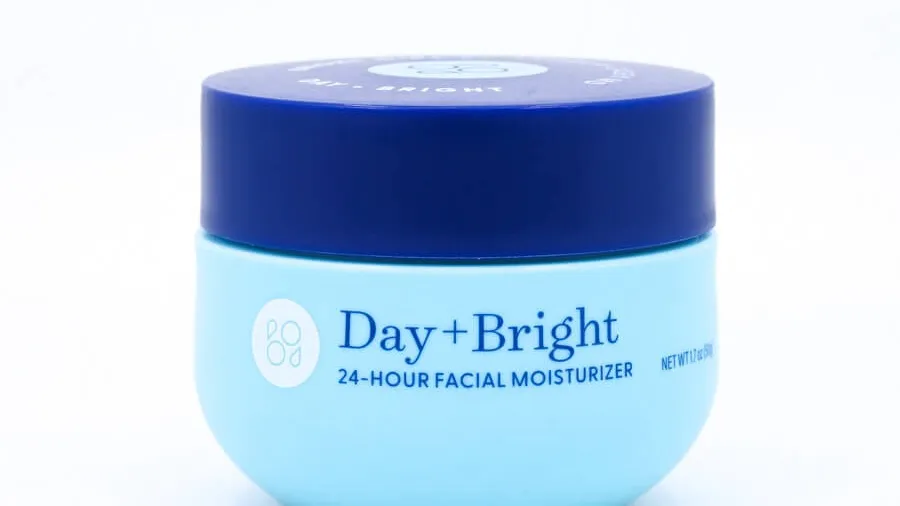
What ingredients does Day+Bright highlight?
The Day+Bright product page highlights chamomile, ashwagandha, turmeric, and squalane. Sodium hyaluronate also appears in the full ingredient list. The page describes chamomile as soothing, calls squalane a natural moisturizer, and presents the formula as clean, vegan, and cruelty-free. Review the current product page for the complete ingredient list and directions before purchase.
How can Day+Bright fit into a simple routine?
- Cleanse: Wash with a gentle facial cleanser and pat the skin dry.
- Moisturize: Apply a comfortable amount of Day+Bright Facial Moisturizer after cleansing.
- Protect in the daytime: Finish with a broad-spectrum sunscreen, such as a Bright Girl tinted mineral sunscreen or the brand's sheer mineral option.
Choose Day+Bright for lightweight daily hydration
What Should Parents and Teens Ask Before Buying?
A good shopping decision comes from matching the formula to the person, not from chasing a universal ranking. Before buying a clean face cream for teens, ask five practical questions: Is the age guidance clear? Does the texture suit the teen? Are fragrance and ingredients disclosed? Is there useful pore-conscious guidance? Will the cream layer comfortably with the rest of the routine?
- Who is it for? Confirm the stated age range and whether the product is designed for young skin.
- What does it feel like? Look for texture and finish details, not just the word moisturizer.
- What is in it? Read the complete ingredient list and identify any known personal concerns.
- How does it fit the routine? Check how it layers after cleansing and before daytime sunscreen.
- What happens if skin reacts? Follow the directions, stop if there is a concerning reaction, and ask a dermatologist for personalized guidance.
This approach gives teens a role in choosing their skincare while giving parents a clear framework for checking the product. It also keeps the conversation focused on comfort, consistency, and informed choices rather than unrealistic promises.
Shop the Day+Bright daily face moisturizer
Frequently Asked Questions
Is a clean face cream safe for teens?
A clean face cream may be appropriate for teens when its age guidance, directions, and full ingredient list fit the individual. Clean is not a universal safety label, so parents should review the formula and consider known allergies, fragrance preferences, and professional advice for specific concerns.
What is the best face cream for a teen?
The best face cream is the one that matches the teen's skin needs, comfort preferences, age, and routine. Look for transparent ingredients, useful hydration, a wearable texture, and clear guidance rather than choosing solely by trend or packaging.
Can teens use moisturizer if their skin is oily?
Yes, oily skin can still benefit from comfortable hydration. A teen can compare lightweight, non-greasy, pore-conscious formulas and apply a suitable amount after cleansing. If oiliness or breakouts remain a concern, a dermatologist can recommend individualized care.
Should moisturizer go before sunscreen?
In a morning routine, moisturizer generally goes after cleansing and before sunscreen. Allow the moisturizer to settle, then apply a broad-spectrum sunscreen as directed on its label. A moisturizer with no SPF should not replace dedicated sun protection.
Is fragrance-free always the right choice for teen skin?
Not necessarily. Fragrance-free can be a preference for some teens, while others choose a lightly scented product. The important step is to check the complete formula, consider personal sensitivities, and select a product that the teen can use comfortably and consistently.
Key Takeaway
Choosing a clean face cream for teens is easier when you compare the details that affect daily use: hydration, texture, pH balance, fragrance, pore-conscious positioning, transparent ingredients, and age fit. Day+Bright brings those criteria together in a lightweight, pH-balanced moisturizer created for young skin ages 8 to 24, making it a practical option to review as you build a simple routine.
